
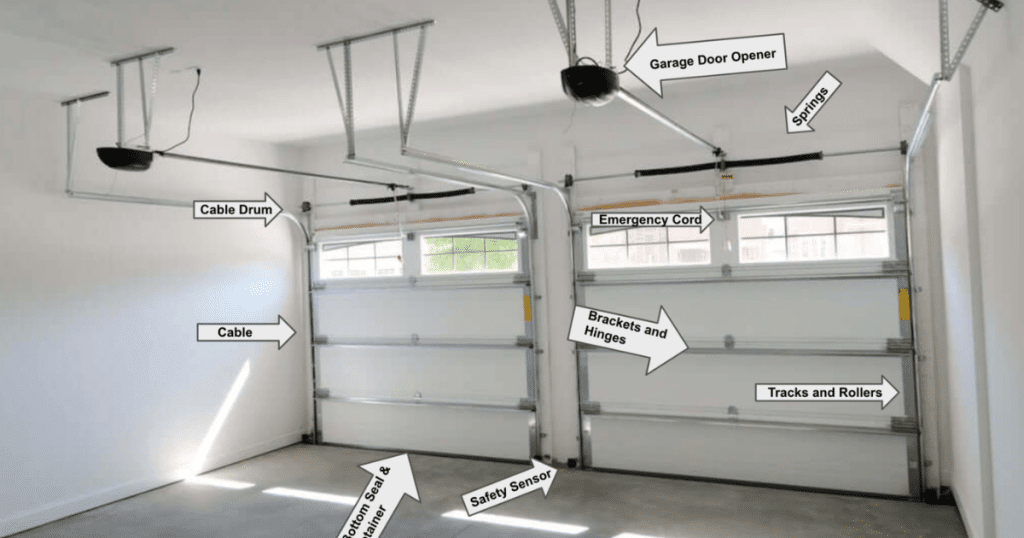
Understanding the anatomy of a garage door is crucial for homeowners who want to ensure their homes’ safety and proper functioning. Garage doors are complex systems made up of several components that work together seamlessly. Whether you’re installing a new door or maintaining an existing one, knowing how each part functions can save you time and money.
This guide explains the different parts of a garage door and how each one helps the door work properly. From panels and springs to tracks and openers, each part plays a crucial role in the overall performance of the door. By familiarizing yourself with these elements, you will be better equipped to address any issues and keep your garage door in optimal condition.
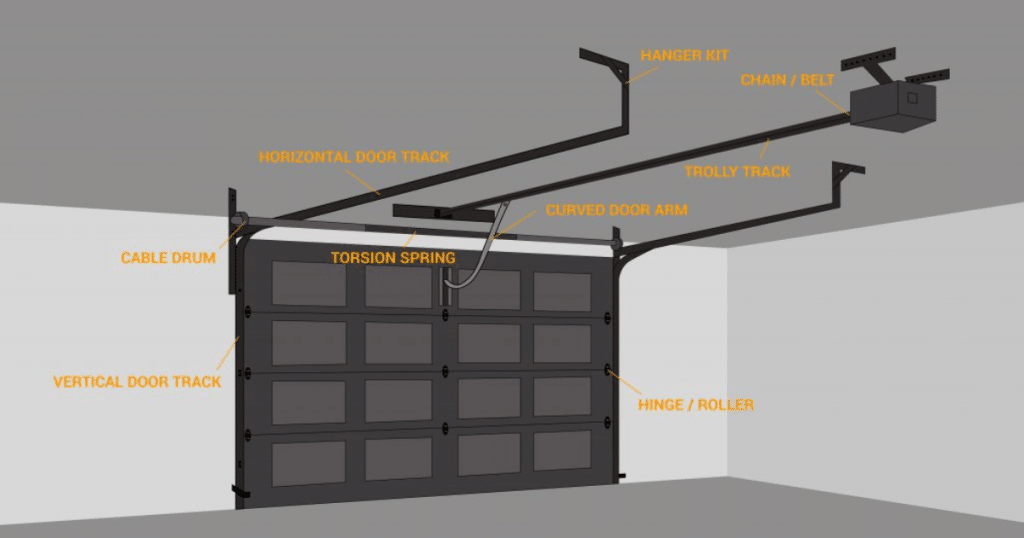
Overview of Garage Door Components
Understanding how your garage door works helps you spot problems early and keep everything running smoothly. Let’s break down the complete anatomy of garage door parts.
Panels
Garage door panels are the large, visible sections of the door’s front. They boost curb appeal and are made of wood, metal, or fiberglass.
Springs
Garage door springs do the heavy lifting. They balance the door’s weight, helping it open and close smoothly without straining the opener or tracks.
Tracks and Rollers
Tracks guide the door’s movement, and rollers keep it gliding smoothly. If they’re misaligned or damaged, the door can jam, shake, or get stuck.
Opener
The garage door opener is a powered device that operates the door using a remote. It also connects to sensors for added safety.
Safety Features
Modern garage doors come with sensors that detect movement and stop the door. These features protect kids, pets, and cars from accidental harm or damage.
Understanding all the parts that make up a garage door helps you catch problems early and keep up with needed garage door repairs. Keep these components in good shape so your garage door operates smoothly every day.
The Garage Door Panel: Types and Materials
Garage door panels are the most visible part and come in different materials. They impact the door’s look, strength, and insulation based on your chosen type.
Types of Garage Door Panels
- Flush Panels: Simple and flat, offering a minimalist look.
- Raised Panels: Feature a more traditional appearance with raised sections.
- Recessed Panels: Give a classic, timeless look with panels set back into the door.
Materials for Garage Door Panels
- Steel: Known for its durability and low maintenance.
- Wood: Wood has a natural look but needs frequent maintenance.
- Aluminum: Lightweight and resistant to rust, ideal for wider doors.
- Fiberglass: Lightweight and resistant to dents, but can turn yellow over time.
Choosing the right panel type and material influences the door’s performance and longevity. When selecting garage door panels, consider factors like climate, budget, and personal preference.
Understanding Garage Door Springs
Garage door springs play a key role by supporting the door’s weight and helping it open and close smoothly. Most doors use one of two spring types:
Types of Garage Door Springs
- Torsion Springs: Mounted above the door, they use torque to lift the door.
- Extension Springs: These springs are found on both sides of the door, and they stretch and contract to help lift and lower the door.
Importance of Springs
Garage door springs handle most of the lifting. They balance the door’s weight, reduce strain on the opener, and help it open and close smoothly.
Maintenance and Safety
Garage door spring maintenance is key. Look for gaps in the coil or uneven movement. Because garage doors have high tension, it’s safest to let a trained professional handle any garage door repairs.
Homeowners should be vigilant about checking their water supply lines, especially in older installations. Maintaining an inspection schedule can prevent unexpected failures and ensure the door remains functional and safe.
The Role of Garage Door Tracks and Rollers
Garage door tracks and rollers guide the door as it opens and closes. They help maintain alignment, allowing the garage door to open and close smoothly, quietly, and safely.
Function of Garage Door Tracks
Garage door tracks are sturdy metal rails along the sides and top of the garage opening. They direct the rollers along a set path, allowing the garage door to move up and down properly.
Role of Garage Door Rollers
Garage door rollers glide along the tracks to lift and lower the door.
- Nylon: Quieter and smoother.
- Steel: Stronger but louder, and needs more maintenance.
Importance of Proper Alignment
Misaligned tracks or worn-out rollers cause jamming, noise, or uneven movement. Regular garage door maintenance prevents these issues and ensures everything operates as it should.
Keep Tracks and Rollers in Good Shape
Check for wear, bends, or debris often. Lubricate the rollers and tracks to reduce noise and prevent the door from sticking or coming off its track.
Garage Door Openers: Mechanisms and Options
Garage door openers are the brains behind the operation, providing the power to open and close the door. There are several types of openers, each with unique features and benefits.
Types of Garage Door Openers
Garage door openers automate the door’s movement, adding convenience and security. Common types include
- Chain Drive Openers: Durable and cost-effective, though noisy.
- Belt Drive Openers: Run quietly, making them a great choice for garages that are connected to living spaces.
- Screw Drive Openers: These require minimal maintenance and are best suited for lighter doors.
- Direct Drive Openers: Feature fewer moving parts for quieter operation.
Choosing the Right Opener
Selecting a garage door opener involves considering noise tolerance, garage type, and budget. For instance, a belt drive opener might be preferable for homes with bedrooms above the garage due to its quieter operation.
Features to Consider
Modern openers often come with additional features:
- Smart Connectivity: Allows remote operation via smartphone apps.
- Battery Backup: Ensures operation during power outages.
- Security Features: Include rolling code technology for enhanced security.
Selecting an opener with the right features can significantly enhance convenience and safety, offering homeowners peace of mind.
Safety Features in Garage Doors
Safety features in garage doors are essential for preventing accidents and injuries. Modern garage doors have various mechanisms to protect users and ensure safe operation.
Essential Safety Features
Garage doors are equipped with several safety features to prevent accidents and ensure user safety. Key features include:
- Auto-Reverse Mechanism: Reverses the door if an obstruction is detected during closing.
- Photo-Eye Sensors: Infrared sensors are placed near the floor to detect obstacles.
- Manual Release Cord: Enables manual operation during a power failure.
Importance of Regular Testing
Test garage door safety features often. Put something in the door’s path to test if the auto-reverse feature works properly. Clean and align sensors regularly to keep everything working safely.
Upgrading Safety Features
Older garage doors may miss key safety features. Upgrading improves protection and meets today’s standards. Modern systems offer better safety and are worth the investment.
Common Garage Door Problems and Solutions
The anatomy of garage door systems can develop issues over time. Many common problems have simple fixes that homeowners can try before calling a professional for help.
Identifying Common Issues
Garage doors can experience various problems, including:
- Noisy Operation: Often caused by worn rollers or a lack of lubrication.
- Failure to Open/Close Door: This issue may be caused by a broken spring or a faulty opener.
- Misaligned Tracks: This may lead to jamming or uneven movement.
Troubleshooting Tips
For minor issues, homeowners can attempt simple troubleshooting:
- Lubricate Moving Parts: Reduce noise and friction.
- Inspect Tracks and Rollers: Look for obstructions or damage.
- Check Opener Settings: Ensure remote batteries are functional and settings are correct.
When to Call a Professional
Complex issues, such as broken springs or electrical malfunctions, require professional attention. Trying to fix it without the right know-how can cause injuries or worsen the problem.
Professional services ensure safe and effective repairs, preserving the longevity and functionality of the garage door system.
Maintenance Tips for Garage Door Components
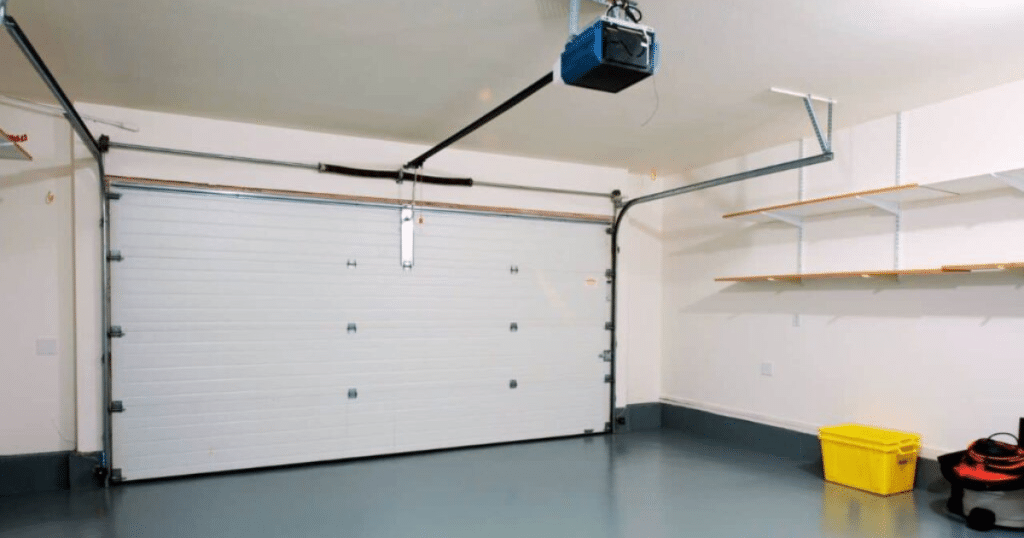
Regular maintenance of garage door components is essential for prolonging their lifespan and ensuring smooth operation. Simple routine checks can prevent major issues and save on repair costs.
Routine Maintenance
Regular maintenance can prevent many common problems and extend the lifespan of garage door components. Key maintenance tasks include:
- Cleaning: Remove dust and grime from tracks and panels.
- Lubrication: Apply lubricant to springs, rollers, and hinges.
- Visual Inspection: Check visually for any signs of damage or wear.
Seasonal Checks
Different seasons can affect garage doors. In colder months, check for ice buildup and ensure seals are intact. During warmer months, inspect for warping or rust.
Professional Maintenance
Annual professional inspections can catch issues early and ensure all components function correctly. This proactive approach can save money and prevent inconvenient breakdowns.
Frequently Asked Questions
What Key Components Make Up a Garage Door System?
The anatomy of a garage door comprises panels, springs, rollers, tracks, openers, and safety sensors, all of which work together to move and secure the door efficiently.
What Are Garage Door Struts, and Why Are They Important?
Garage door struts are sturdy metal supports that help strengthen the door panels and keep them from sagging or bending over time. They’re important for keeping the door strong and balanced during operation.
Where Are Garage Door Rollers and Tracks Located?
In the anatomy of garage door hardware, rollers are small wheels attached to the sides of each panel, while tracks run along both sides and above the opening. Together, they guide the door’s movement.
What Materials Are Garage Doors Made Of?
Common garage door materials include steel, wood, aluminum, fiberglass, and vinyl. Each one impacts the anatomy of garage door design, influencing strength, insulation, and overall appearance.
What Components Make Up a Garage Door Opener?
A garage door opener includes a motor, drive system, remote controls, sensors, and lights. These components function as a unit to operate the door automatically while ensuring safe and smooth movement every time it opens or closes.
Conclusion
Knowing the anatomy of garage door systems helps you catch problems early and keep everything running smoothly. From rollers to springs, every part matters for safety and performance. At Brother’s Garage Doors, informed homeowners can prevent costly repairs with simple care and regular checks.
If you’re hearing strange noises, dealing with slow movement, or just want peace of mind, it might be time to get expert help. For reliable garage door repair in Livonia, MI, our team is here to solve your issues fast and efficiently. We will inspect every part, ensure proper function, and offer honest advice on what you need.
Don’t wait until minor issues become big ones. Whether you’re learning about the anatomy of garage door parts or facing a broken spring, we’re here to help. Contact Brother’s Garage Doors today for trusted service, affordable pricing, and friendly support you can count on.
End Note
We appreciate you taking the time to learn about how garage door systems work and the parts that make up their structure. At Brother’s Garage Door Service, we proudly offer trusted and affordable garage door care for every home. Whether you need a tune-up or a brand-new door, our services are designed to keep your garage running smoothly and safely.
If your door is making noise or won’t open right, we can help. Our team handles everything from broken garage door springs and garage door repair to garage door replacement. We also install garage door openers and fix parts like panels and cables. If it is urgent, our garage door emergency service is available when you need it most.
We are proud to serve many local areas with top-rated care. You can learn more About Us, browse our helpful blog posts for tips, and follow us on Facebook for more insight updates. See what others are saying on Yelp. If you are ready to fix or upgrade your garage door, Contact Us today to get started with Brother’s Garage Doors.
Brothers Garage Door Service
29522 Wentworth St, Livonia, MI 48154, United States
+17342920971