
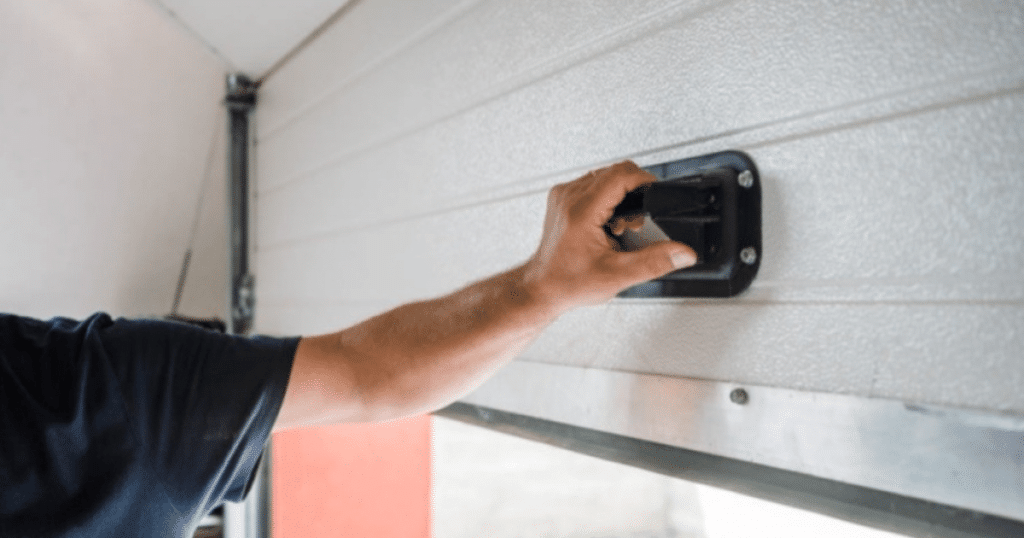
How do you adjust a garage door the right way without causing more issues? Many homeowners try to fix an uneven or noisy door, only to worsen the problem. A misaligned door can damage the tracks, strain the opener, or become a safety hazard. Knowing what to look for—and what to avoid—can save time, money, and frustration. Whether the door won’t stay open or rubs against the frame, the issue usually points to spring tension, track alignment, or worn rollers.
This guide will walk you through safely and effectively adjusting your garage door without creating new problems. You’ll learn to identify common symptoms of a misaligned door and understand when to call a professional. If you want smoother operation, better balance, and fewer breakdowns, the proper adjustments can make all the difference. Let’s understand the steps and tools you need to do it correctly.
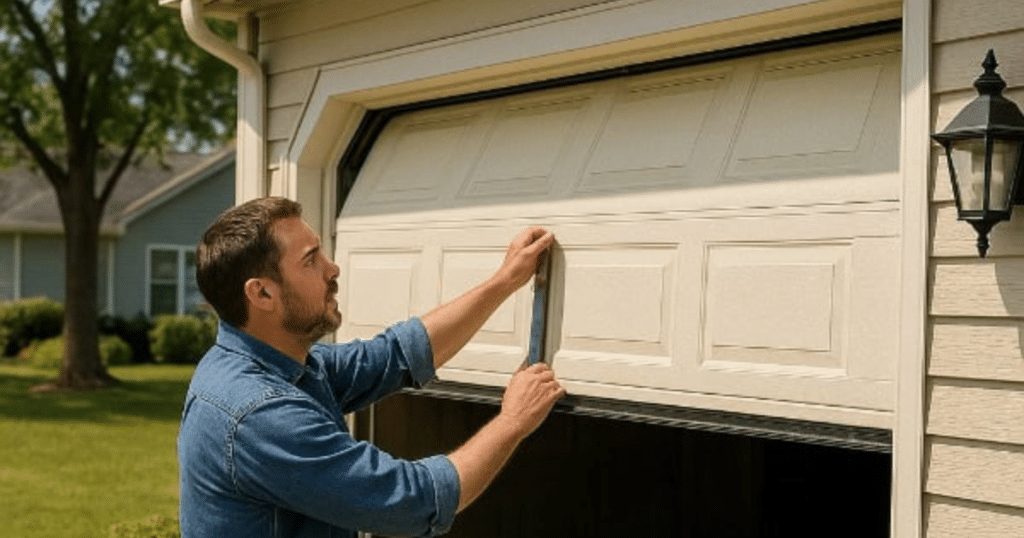
Understanding Garage Door Mechanics
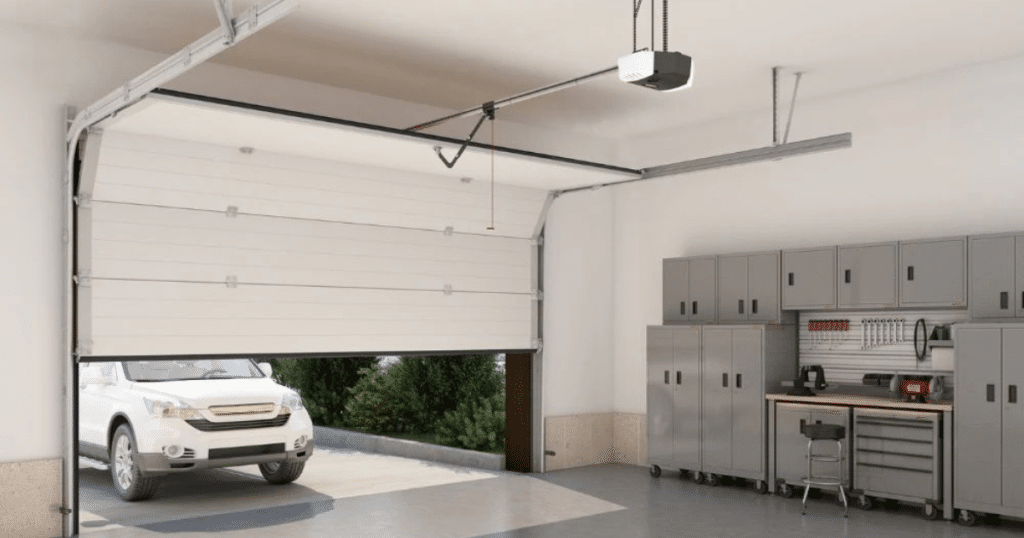
Garage doors use springs, cables, and tracks to open and close. Sectional and roll-up types have different systems. Knowing how they work helps identify problems and accurately adjust the garage door.
Springs
Garage door springs hold the door’s weight. Torsion springs sit above the door, while extension springs stretch on the sides for proper balance.
Tracks and Rollers
Garage door tracks guide movement. Rollers glide inside these tracks. If parts are damaged or misaligned, your garage door might stick or move unevenly.
Cables
Garage door cables connect springs to the door. If cables are loose or worn, your garage door may work poorly and need quick adjusting.
Understanding these mechanics not only aids in adjustments but also prolongs the garage door’s life by catching issues early.
Common Reasons for Garage Door Misalignment
Misalignment can occur due to several reasons, disrupting the door’s smooth operation. Recognizing these causes is the first step in implementing effective solutions:
Wear and Tear
Over time, components such as rollers and tracks can deteriorate, resulting in misalignment. Regularly checking your garage door helps spot any parts that may need to be replaced.
Weather Changes
Temperature changes can make metal parts expand or shrink, which can throw off the alignment. This often happens in places with harsh weather.
Obstructions
Debris or objects in the door’s path can cause it to shift out of alignment. Ensuring the area around the door is clear can prevent such issues.
By understanding these common causes, homeowners can take preventive measures to maintain their garage door’s alignment.
Tools Required for Adjusting a Garage Door
Having the right tools is essential for making precise adjustments. Here’s a list of tools you will need to ensure a successful adjustment:
- Wrenches: Adjustable wrenches are needed for loosening and tightening nuts and bolts.
- Screwdrivers: Both flathead and Phillips screwdrivers are required to adjust tracks and other components.
- Clamps: These are useful for securing the door during adjustments.
- Level: A level ensures that tracks are perfectly aligned.
- Lubricant: A special garage door lubricant helps reduce friction and noise.
Equipped with these tools, you can confidently tackle various adjustment tasks, ensuring your garage door operates smoothly.
Step-by-Step Guide: How to Adjust a Garage Door
Adjusting a garage door involves simple steps for each part. This guide clearly explains how to do it.
Step 1: Assess the Problem
Start by identifying the specific issue. Is the door not closing evenly? Is it making unusual noises? Understanding the problem guides the adjustment process.
Step 2: Adjust the Track Alignment
- Loosen the Track Bolts: Use a wrench to gently loosen the bolts on the track without removing them completely.
- Align the Tracks: Check the track alignment with a level and adjust as needed to ensure they’re straight and properly positioned.
- Tighten the Bolts: Once aligned, tighten the bolts securely.
Step 3: Adjust the Springs
- Locate the Spring: Identify whether your door uses torsion or extension springs.
- Adjust Tension: Use a wrench to adjust the tension, ensuring the door operates smoothly without strain.
Step 4: Check the Door Balance
- Disconnect the Opener: Pull the manual release handle to separate the garage door from the automatic opener system.
- Test the Balance: Check the balance by raising the garage door halfway and then carefully releasing it. If it stays in place, it’s balanced. If not, adjust the spring tension.
Following these steps ensures your garage door functions optimally, providing reliable performance every time.
Safety Precautions When Adjusting a Garage Door
Garage doors are heavy and full of high-tension parts, so safety comes first. Before making any adjustments, follow these safety tips to avoid serious injuries.
1. Wear Protective Gear
Wear safety glasses and strong gloves before working. This will protect your hands and eyes from debris, rust, or sharp parts while you adjust your garage door parts.
2. Disconnect Power
Unplug the garage door opener to avoid accidents. Power disconnection prevents the door from moving while you’re adjusting parts like the springs, tracks, or rollers.
3. Use Caution with Springs
Springs hold a lot of tension and can snap suddenly. If you’re not confident adjusting them, contacting a garage door repair expert for help is a smart idea.
Safety should always come first when learning how to adjust a garage door. Follow these tips to protect yourself and keep your garage door working properly.
Troubleshooting Common Garage Door Issues
Even with regular maintenance, garage doors can encounter various issues. Here’s how to troubleshoot some common problems:
Problem 1: The Door Won’t Open or Close Completely
- Check Sensors: Ensure the photo-eye sensors are aligned and free from obstructions.
- Inspect the Opener: Verify that the opener is functioning correctly and does not require garage door repair.
Problem 2: Noisy Operation
- Lubricate Moving Parts: Apply lubricant to the rollers, hinges, and tracks to reduce noise.
- Tighten Loose Parts: Check for and tighten any loose screws or bolts.
Problem 3: Slow Response Time
- Adjust Opener Settings: Check the opener’s settings and adjust the speed if necessary.
- Inspect the Wiring: Verify that all connections are secure and there is no visible damage.
These troubleshooting tips can help restore your garage door’s function and prevent minor issues from becoming major repairs.
When to Call a Professional for Garage Door Adjustments
Some garage door problems are too risky or complex to fix alone. If your garage door springs are too loose or too tight, it’s best to call a professional. A trained professional should also handle electrical issues with your garage door opener. These fixes can prevent injuries and bigger damage.
If your garage door stays crooked or keeps getting stuck, the garage door alignment may need a full inspection. Repeated DIY fixes may not address underlying issues. A trained expert can check all moving parts, cables, and springs for hidden damage. Getting help ensures your garage door works safely and smoothly.
Maintenance Tips for Keeping Your Garage Door in Good Condition
Regular garage door care helps it work smoothly and lowers the chances of unexpected repairs. These easy tips will help your garage door last longer and function more efficiently.
Regular Lubrication
Lubricate all garage door parts, including rollers, hinges, and springs, twice a year. This prevents friction, reduces noise, and keeps your garage door moving smoothly and quietly.
Inspect for Wear
Inspect springs, cables, and rollers regularly for signs of rust or damage. Replacing worn parts early can prevent more significant garage door issues from occurring later.
Keep Tracks Clean
Dust and debris in the tracks can stop the rollers from moving properly. Clean them regularly with a brush or cloth to keep everything sliding smoothly.
Performing simple maintenance saves money and keeps your garage door system in optimal condition. Taking a few minutes to maintain your garage door now can help prevent issues and keep it working smoothly in the future.
Frequently Asked Questions
How do you adjust a garage door opener limit switch?
To adjust the garage door opener limit switch, find the up and down screws on the motor. Turn them slightly to change how far the door travels. Test the door each time until it opens and closes at the right point.
How do I fix a garage door that opens too fast?
A garage door that opens too fast may have too much spring tension or damaged springs. Adjust the torsion spring carefully to slow it down. If you’re unsure, call a pro. Sometimes, the opener settings also need adjusting to fix the speed.
How do you adjust a garage door that’s too tight or too loose?
If the garage door is too tight or loose, adjust the spring tension slowly using winding bars. A tight door can snap shut, while a loose one won’t stay up. Unplug the garage door opener before adjusting the springs on your own.
How can you properly adjust the height of a garage door?
To adjust the garage door height, locate the limit adjustment screw on the opener and turn it slowly until the door reaches the desired position. Raise or lower the door by testing the down limit setting. Turn the screw in small steps and test the door each time until it closes the right way.
How do I test the garage door balance before making adjustments?
Unplug the garage door opener and lift the door halfway by hand. If it stays put, it’s balanced. If it moves, your springs need adjusting. A properly balanced garage door keeps operation safe, ensures smooth movement, and helps prevent extra strain on the garage door opener.
Conclusion
Adjusting a garage door might sound tricky, but knowing what to look for is easier. Learning how your garage door works helps you fix minor issues before they become bigger problems. If you’ve ever asked yourself how to adjust a garage door, you’re already on the right track.
Keeping your door balanced, well-lubed, and clean makes a big difference. A garage door that operates smoothly reduces stress and keeps your home safer. If something still feels off, don’t push through it alone. Our Brother’s Garage Doors expert team is ready to help with any garage door repair in Livonia, MI.
Don’t let minor problems turn into costly repairs. Whether you’re doing your own maintenance or need a hand, we’re just a call away. Reach out today and let Brother’s Garage Doors give your garage the expert care it deserves. Your door will thank you, and so will your wallet.
End Note
If you’ve been wondering how to adjust a garage door but feel unsure where to start, we’re here to help. At Brother’s Garage Doors, we make garage door repairs easy and stress-free. Our skilled technicians provide reliable assistance, from basic tune-ups to complete replacements. We’re dedicated to keeping your garage door safe, smooth, and long-lasting.
Whether you need a quick garage door repair, help with broken garage door springs, or an urgent garage door emergency, we’ve got you covered. We also handle garage door replacement, garage door panels, openers, cables, and steel sectional doors. Want to see everything we offer? Check out all the garage door services we offer.
We proudly serve many neighborhoods—check out our service areas. Learn more About Us, browse helpful tips on our blog posts, or connect with us on Facebook and Yelp for updates. When you’re ready, just contact us for fast, friendly service that keeps your home secure and your garage door working right.
Brothers Garage Door Service
29522 Wentworth St, Livonia, MI 48154, United States
+17342920971