
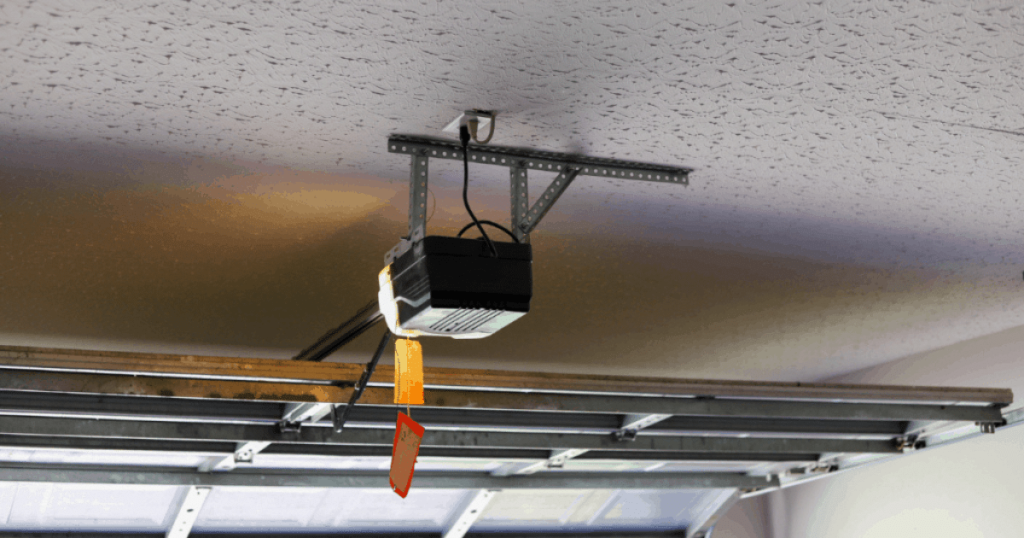
Two garage door openers with the same horsepower rating can still perform very differently depending on the brand, drive type, and how the manufacturer builds their motor. This is one of the most overlooked parts of choosing a new garage door opener, since most homeowners assume horsepower alone tells the full story. It doesn’t.
A side-by-side comparison often reveals that the “same” size opener can feel noticeably different in daily use. Some of that comes down to drive type, some comes down to build quality, and some comes down to how conservatively or aggressively a brand rates its own horsepower. Understanding these differences up front makes it much easier to choose confidently instead of guessing, especially if you’re replacing an opener that never quite matched your door in the first place.
Why Brand Comparisons Matter When Choosing an Opener
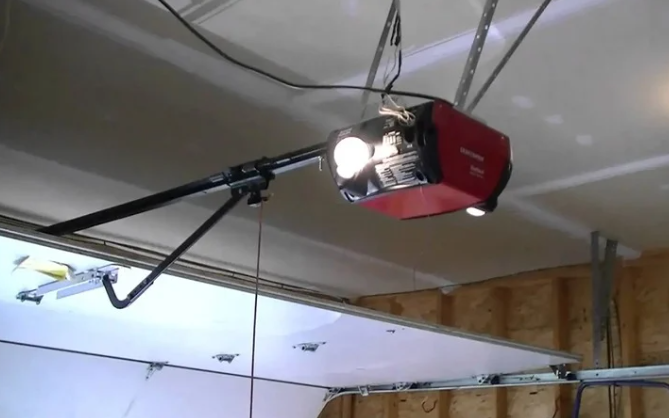
Not every manufacturer builds openers the same way, even when the labeled horsepower matches. Motor design, drive mechanism, and even internal gearing can all affect how much real lifting power a unit provides. This is why two openers rated the same on paper can still feel very different once installed, and it’s part of why comparing brands directly is worth the extra time.
What Differs Between Manufacturer Models
- Motor construction and internal gearing quality
- Drive mechanism, including belt, chain, or screw drive systems
- How conservatively or generously a brand rates its horsepower
- Build materials used in the housing and moving parts
If you haven’t yet nailed down what size opener your door actually needs, it may help to start with What Size Garage Door Opener for a Double Door? before comparing specific brands and models.
Garage Door Opener Horsepower Ratings Across Brands
Garage door opener horsepower ratings aren’t always tested or labeled the same way across manufacturers. Some brands rate their motors based on peak output, while others use a more conservative continuous-duty rating, which can make direct comparisons tricky for anyone shopping by number alone.
How Manufacturers Label Horsepower Differently
- Peak horsepower ratings that reflect short bursts of power rather than steady output
- Continuous-duty ratings that reflect sustained lifting performance
- Belt-drive and screw-drive models that sometimes use different rating standards than chain-drive units
- Some brands include a separate rating for extra-heavy or oversized doors
Because of this, comparing horsepower numbers alone can be misleading without understanding how each brand measures it. Reading the fine print on a spec sheet often matters more than the headline number.
Garage Door Opener Size Chart Differences by Manufacturer
Every major brand publishes its own garage door opener size chart, and while they generally point toward similar conclusions, the details can vary in ways that matter. Door weight brackets, recommended horsepower ranges, and even the number of size tiers offered can differ from one manufacturer to the next, which can leave a double door sitting right at the edge of two different recommendations.
Reading Size Charts From Different Brands
- Some brands offer three horsepower tiers, while others offer four or more
- Weight brackets used in each chart may not align exactly across manufacturers
- Recommendations for insulated versus non-insulated doors sometimes differ by brand
- A few manufacturers include separate guidance for double doors versus two single doors
Cross-referencing more than one manufacturer’s chart can give a clearer picture than relying on just one, especially for double doors that sit near the edge of a weight bracket.
Drive Type and Noise Level Comparisons
Drive type is one of the biggest differentiators between brands, and it affects both performance and daily noise levels. Homeowners with a garage located near a bedroom or living space often care about this more than horsepower alone, since a noisy motor can be noticeable every single time the door opens.
Belt, Chain, and Screw Drive Differences
- Belt-drive systems tend to run quieter, which some brands emphasize more than others
- Chain-drive systems are often more affordable and widely available across brands
- Screw-drive systems vary in maintenance needs depending on the manufacturer’s design
- Hybrid drive systems from some brands aim to balance quiet operation with lower cost
For different garage door opener installation options documented by home improvement experts, drive type is consistently listed as one of the most noticeable differences between brands during actual use, not just on the spec sheet.
Smart Garage Door Opener Features by Brand
Smart garage door opener technology has become a major differentiator between manufacturers, and the features included can vary quite a bit even among similarly priced models. Some brands build their own dedicated apps, while others rely on third-party smart home integrations, which can affect how easily the opener fits into an existing setup. Several of these apps also make garage door maintenance easier by flagging unusual activity before it becomes a bigger issue.
What Smart Features Vary Between Manufacturers
- App-based monitoring and remote access capabilities
- Compatibility with existing smart home systems and voice assistants
- Battery backup availability, which isn’t standard across every brand
- Camera or sensor integration offered by some higher-end models
If smart features are a priority, it’s worth reading When Should You Replace Your Smart Garage Opener? to understand which features tend to matter most for double door setups specifically. Comparing app ecosystems ahead of time can also prevent compatibility headaches after installation.
Warranty and Support Differences Across Brands
Warranty length and the availability of local support can vary significantly between manufacturers, and this is often overlooked in favor of comparing horsepower or price. A longer warranty doesn’t always mean better quality, but it can be a useful indicator of how confident a brand is in its own product and how it expects the motor to hold up over time. It can also affect how much a future garage door repair ends up costing if something goes wrong down the line.
What to Check Before Choosing a Brand
- Length of the motor and parts warranty offered
- Availability of local technicians familiar with that specific brand
- Whether replacement parts are easy to source if something wears out
- Whether the warranty covers labor or only the parts themselves
If your current opener is already showing signs of strain, it’s worth reviewing Is Your Garage Door Opener Horsepower Too Weak? before assuming a brand switch alone will solve the issue. Sometimes the underlying problem is wear rather than the brand itself.
For an overview of garage door types and features compiled by home improvement experts, door type and opener brand often need to be considered together rather than separately, since some brands are better suited to certain door materials than others.
Local Considerations When Comparing Brands in Livonia
Michigan’s climate plays a role in which opener brands tend to perform best over the long run. Cold winters put extra demand on motors, and some brands build their units with weather resistance in mind more than others, which can make a real difference over several years of use.
What Livonia Homeowners Should Keep in Mind
- Brands with sealed or weather-resistant motor housings tend to hold up better in cold climates
- Local technician availability can affect how quickly warranty repairs get handled
- Homeowners with heavier insulated doors may want to prioritize brands with stronger continuous-duty ratings
- Seasonal temperature swings make consistent motor performance more important than in milder regions
Comparing brands with these local factors in mind often leads to a more practical choice than focusing on horsepower numbers alone.
Finding the Right Brand and Size Combination for Your Garage
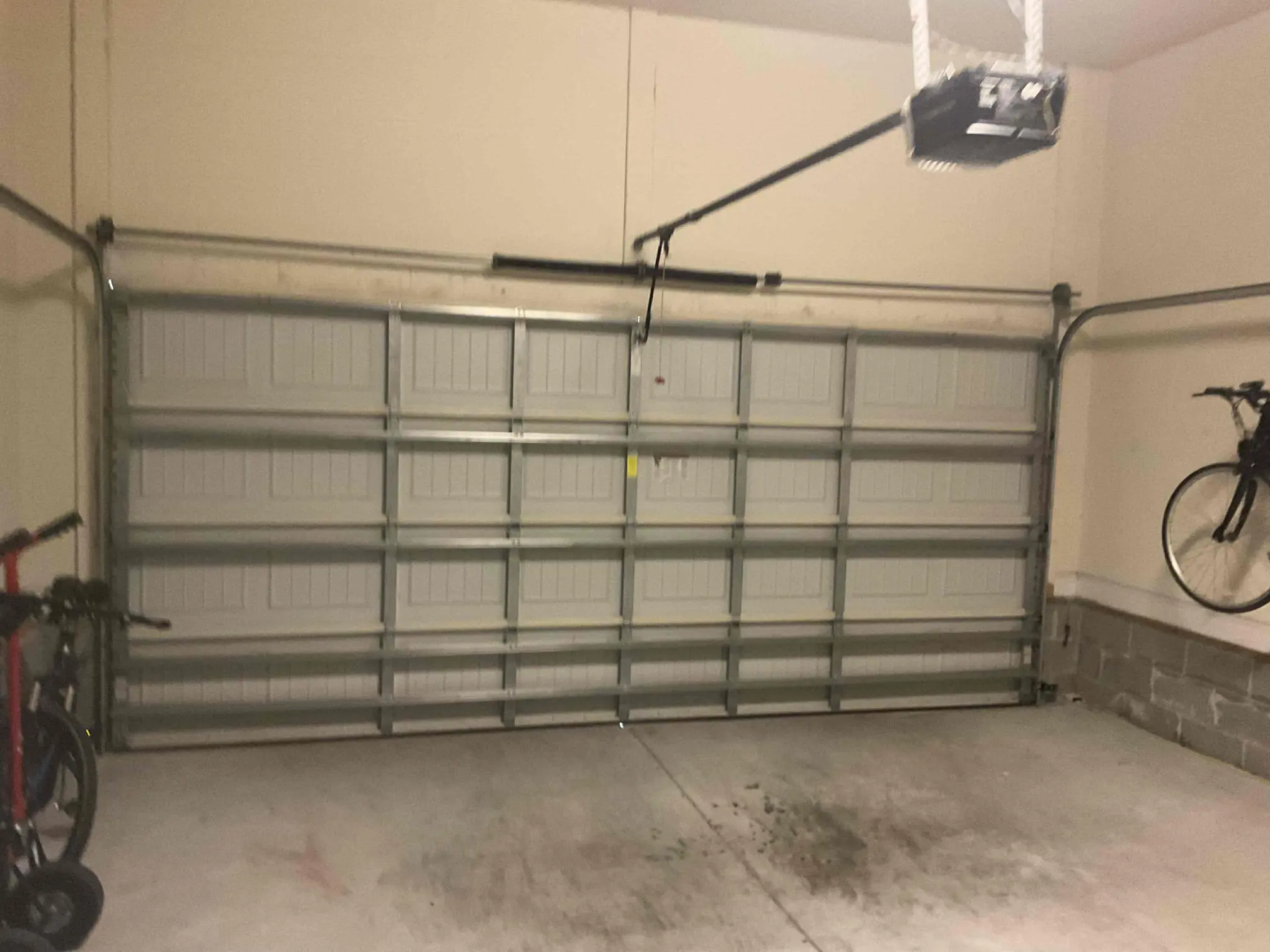
Choosing between brands ultimately comes down to matching horsepower, drive type, and smart features to what your specific double door actually needs. The right size on paper doesn’t always translate to the right fit in practice, which is why comparing real-world differences between manufacturers matters just as much as comparing spec sheets. Taking the time to compare warranty terms, drive type, and climate suitability upfront tends to pay off in fewer surprises later.
If you’re still weighing your options, a professional comparison can save time and help avoid choosing a brand that doesn’t quite fit your door’s weight or your household’s needs. Brothers Garage Door Service helps homeowners across Livonia compare opener brands and sizes side by side, based on the specific door they already have. Contact us or give us a call to talk through which option makes the most sense for your garage.