
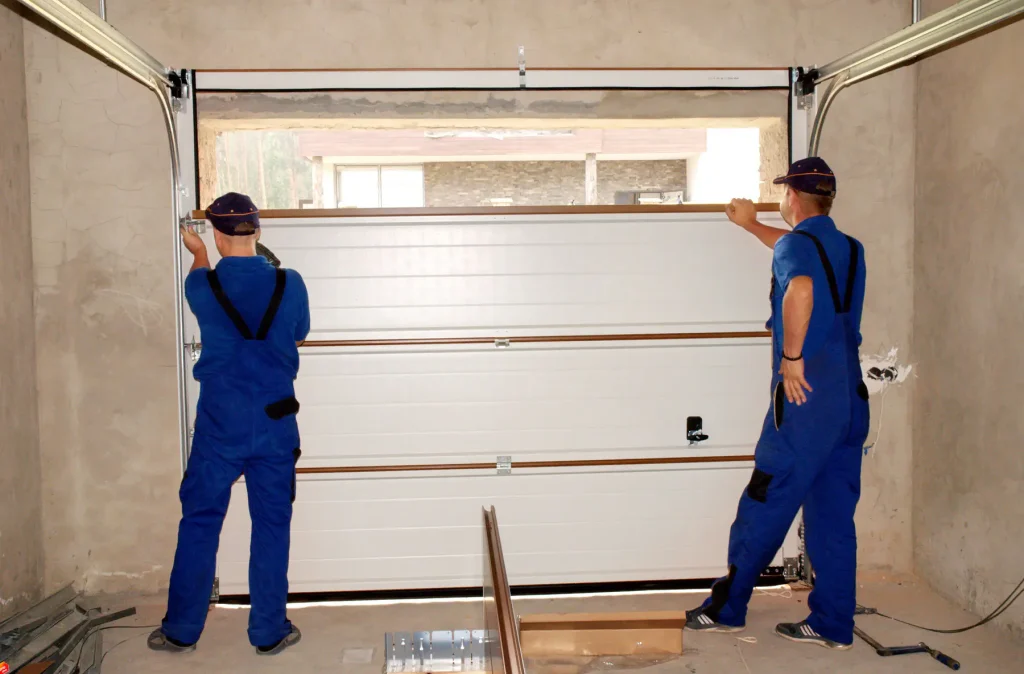
A garage door replacement costs more than just the price of a new door, and several important factors come into play that can significantly change the final bill. Understanding what drives those costs from the start helps avoid surprises and makes the entire process easier to plan and navigate.
Material selection, door size, insulation, labor, and the condition of the existing system all contribute to the final cost of a replacement. Each of these factors carries its own weight in the overall price, and knowing how they connect gives homeowners a clearer picture of what to expect before any work begins.
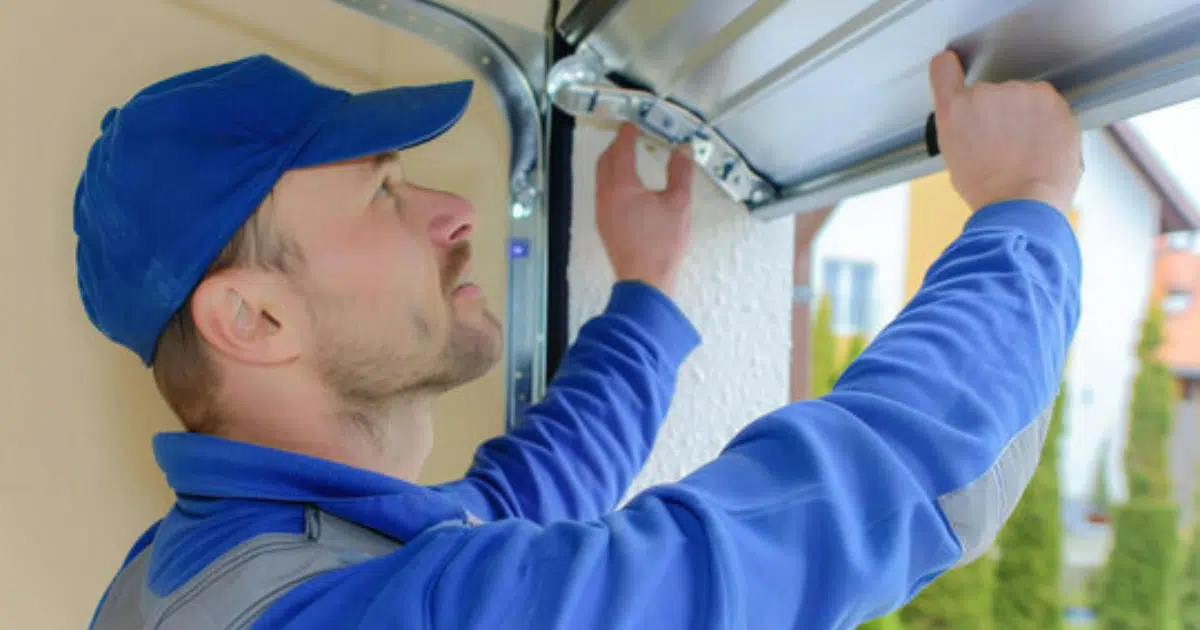
Yes, the condition of a garage door directly affects the replacement cost because the more damage present, the more labor and materials are needed to complete the job properly.
Here is how door condition drives the overall cost:
- Bent or cracked panels often require frame repairs before installation.
- Outdated hardware means more components need to be replaced alongside the door.
- Worn sealing and damaged insulation expand the overall scope of work.
- A history of repeated repairs signals deeper system-wide wear.
- Cumulative garage door repair bills can surpass the cost of a full replacement.
To understand which warning signs indicate a garage door has reached that point, read our guide on When to Replace a Garage Door: Key Warning Signs to Watch For, which covers the most reliable indicators before costs escalate further.
The Main Factors That Affect Garage Door Replacement Cost
Material and Its Impact on the Overall Price
Material choice carries the most weight in determining the total cost of a new garage door.
Here is how each common material affects the overall price:
- Steel doors are durable, low-maintenance, and the most affordable option.
- Wood garage doors offer a classic look but come with a higher price tag.
- Aluminum garage doors are lightweight, rust-resistant, and rust-proof.
- Composite and fiberglass mimic wood without the heavy maintenance costs.
- Premium finishes and custom textures add to the base material cost.
Choosing the right material determines the upfront price and the long-term maintenance costs of the door.
Size and Type of Garage Door
Door size and door type are two of the most straightforward variables in any garage door replacement price calculation.
Here is how size and type affect the total:
- Single garage doors require less material and labor.
- Double door installations increase material volume and installation complexity.
- Custom sizing requires specialized manufacturing, which drives up costs.
- Carriage house doors involve detailed craftsmanship and specialized hardware.
- Non-standard dimensions often require modifications to the existing opening.
Selecting a size and type that fits the existing opening without modification keeps the overall replacement cost manageable.
Insulation and Energy Efficiency
The insulation level directly affects both the purchase price and the monthly energy bills long after installation.
Here is what insulation type means for the overall cost:
- Uninsulated doors carry the lowest upfront cost.
- Polystyrene insulation adds basic thermal performance at a moderate cost.
- Polyurethane insulation offers superior energy efficiency at a higher price.
- Insulated doors attached to living spaces reduce heating and cooling expenses.
- Higher R-value ratings mean better performance at a higher average cost.
Investing in better insulation upfront often results in energy savings that offset a portion of the initial replacement cost.
Style, Design, and Customization
Visual design and customization level play a direct role in the final price of any garage door replacement project.
Here is how style and design choices affect the overall cost:
- Raised panel designs are the most economical and widely available style.
- Carriage house doors require detailed construction at a higher price point.
- Window inserts boost curb appeal but add cost with each panel.
- Decorative hardware adds a custom look and contributes to the price.
- Custom colors and specialty finishes require additional manufacturing steps.
More customization means a more distinctive door, and each addition moves the cost further from the base price.
Garage Door Brand and Warranty as Pricing Factors
Brand reputation and warranty coverage quietly influence the total garage door replacement cost.
Here is what brand and warranty mean for the overall cost:
- Established brands charge more but offer stronger warranties and quality control.
- Extended warranties protect against defects and parts failures after installation.
- Well-known brands have wider service networks that simplify long-term maintenance.
- Warranty terms vary between parts-only and full labor coverage.
- Brands with readily available parts have significantly lower long-term ownership costs.
A longer warranty reflects the manufacturer’s confidence in the product, and that confidence is worth factoring into the final purchasing decision.
Additional Components and Upgrades That Add to the Total Bill
A garage door replacement rarely covers just the door, and the additional components involved can add a significant amount to the final bill.
Here is what typically adds to the total cost:
- A new garage door opener is often needed when the existing unit is incompatible.
- Smart openers with remote access and monitoring cost more than standard models.
- Worn springs, tracks, and cables are usually replaced alongside the new door.
- Electrical wiring upgrades may be required to meet current safety standards.
- Advanced security features and battery backup systems increase the overall price.
Every upgrade serves a purpose, and knowing each one helps homeowners prioritize based on budget and specific needs.
Installation Choice and Its Effect on the Overall Replacement Price
The garage door installation method is a cost factor most homeowners overlook, yet it directly impacts the total cost of a garage door replacement.
|
Factor |
Professional Installation |
DIY Installation |
|
Labor Cost |
Higher upfront, but includes expertise |
No labor cost, but tools must be purchased |
|
Time Required |
Completed in hours by a trained team |
Can take significantly longer without experience |
|
Warranty Protection |
Manufacturer warranty remains intact |
Improper installation can void the warranty |
|
Code Compliance |
Meets local building codes automatically |
Risk of failing inspection without proper knowledge |
|
Long-Term Cost |
Lower risk of errors and callbacks |
Higher risk of additional correction costs |
To weigh the full cost difference between hiring a professional and going the DIY route, read our guide on Garage Door Replacement: DIY or Hire a Pro, which breaks down what each choice realistically involves.
Garage Door Replacement vs Repeated Repair Bills
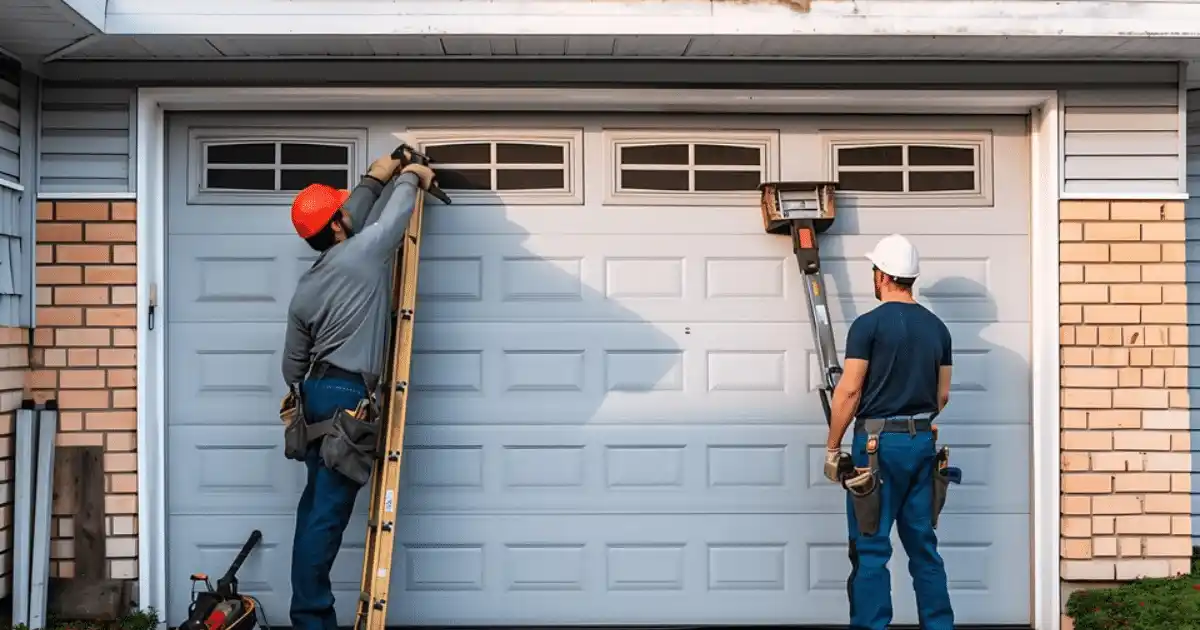
At some point, repeated garage door repair bills no longer make financial sense, and a full replacement becomes the more practical investment.
|
Factor |
Repeated Repairs |
Full Replacement |
|
Upfront Cost |
Lower per visit, but accumulates over time |
Higher upfront, but a one-time investment |
|
Long-Term Value |
Diminishing returns on an aging door |
Improved performance, security, and efficiency |
|
Parts Availability |
Harder to source for older door models |
New door comes with the current parts and warranty |
|
Energy Efficiency |
Older doors leak air and raise energy bills |
Modern insulated doors reduce monthly energy costs |
|
Home Value Impact |
Worn door lowers curb appeal and resale value |
New door boosts home value and buyer appeal |
To figure out which option makes more financial sense, read our guide on Garage Door Replacement vs Repair: Which One Do You Need, which walks through the key cost comparisons before deciding.
Preventive Maintenance and Its Role in Avoiding Costly Replacements
Regular maintenance is one of the most cost-effective ways to extend the lifespan of a garage door and delay the need for a full replacement.
Here is what regular maintenance covers:
- Lubricate springs, rollers, and hinges every six months to reduce friction and wear.
- Inspect and replace worn weather seals to keep moisture and cold air out.
- Test the auto-reverse function regularly to confirm safety sensors are working.
- Check tracks and cables for visible wear before minor issues escalate.
- Clean and repaint wood doors periodically to protect against rot and moisture.
A well-maintained garage door lasts longer, performs better, and costs significantly less to own over time.
Smarter Budgeting Starts With Knowing What Affects Garage Door Replacement Cost

Material, size, insulation, installation method, and door condition all contribute to the final price of a garage door replacement. Knowing what drives those costs before the project begins puts homeowners in a much stronger position to budget wisely and make confident decisions.
Brothers Garage Door Service serves homeowners in Livonia, MI with honest pricing, professional workmanship, and a thorough walkthrough of every cost factor before any work begins. Contact us or give us a call today, and let our team make sure the final cost of your garage door replacement never comes as a surprise.