
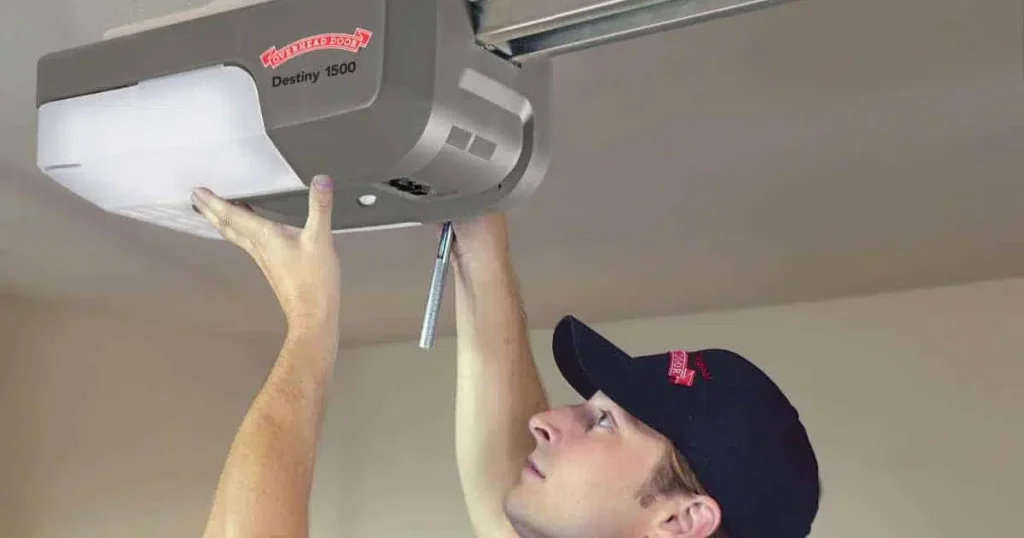
Garage door openers often receive attention only when they stop responding, even though they influence how the entire door system behaves every day. Subtle performance changes usually develop slowly, making them easy to overlook during normal routines. Many doors continue opening and closing while hidden strain builds across connected components. This gradual decline creates a false sense of reliability that masks deeper mechanical and electrical stress. When visible failure finally occurs, multiple parts are often already affected.
Understanding opener problems requires looking beyond the motor itself and considering how force, timing, and alignment interact across the system, especially when garage door replacement has not been evaluated as part of long-term performance planning. The opener does not operate in isolation, since it works alongside springs, tracks, rollers, cables, and mounting hardware. When one element struggles, others compensate in ways that shorten their lifespan and accelerate wear across the system. Over time, small opener issues reshape how the entire door system performs under daily use. Recognizing these relationships helps explain why early attention, and knowing when replacement is appropriate, prevents broader system failure.
How Motor Strain Spreads Stress Across Mechanical Components
The motor inside an opener drives every movement of the door, which means increased strain directly affects connected hardware. When resistance increases, the motor compensates by pulling harder, often without immediate shutdown. This compensation places ongoing stress on mechanical parts that were designed for balanced operation. Over time, these stresses change how the door behaves.
Increased Load on Springs and Cables
- Springs experience uneven tension when the opener pulls harder than intended.
- Cables stretch more quickly under excessive lifting force.
- Cable drums wear faster due to irregular load distribution.
- Springs cycle under higher stress during each opening movement.
- Cable alignment shifts as tension becomes inconsistent.
- Fatigue develops earlier across load-bearing components.
When opener motors work harder than necessary, springs and cables absorb forces they were not designed to manage continuously. This imbalance accelerates wear and reduces predictable movement patterns. Over time, these stresses increase the likelihood of sudden failures during normal operation. Early garage door opener repair reduces unnecessary strain across the system. Balanced force protects every connected component.
Find out why a garage door opener can stop working even when the door still moves manually by reading: Why Does a Garage Door Opener Stop Working When the Door Still Moves?
How Opener Timing Issues Disrupt Door Alignment
Proper timing ensures the door moves smoothly through its travel path without hesitation or abrupt stops. When opener timing drifts, door alignment often suffers even if tracks appear visually intact. These timing problems frequently develop gradually, making them difficult to notice immediately.
Misalignment Caused by Irregular Movement
- The door starts unevenly instead of lifting smoothly from the closed position.
- One side of the door rises faster than the other.
- Tracks experience side pressure during movement.
- Rollers bind at specific points along the track.
- The door settles unevenly when fully closed.
- Frame stress increases around mounting points.
Timing issues force the door to move in unnatural patterns that stress alignment hardware. Over time, these patterns distort tracks, rollers, and mounting brackets. The opener may still function, but overall system reliability declines steadily. Professional evaluation identifies timing inconsistencies early. Correct timing preserves long-term alignment stability.
Learn the warning signs that indicate garage door opener repair is needed before a complete system failure occurs by reading: Warning Signs That Point to Garage Door Opener Repair Before a Total Failure.
How Electrical Problems Affect Mechanical Performance
Electrical issues inside openers often present as mechanical symptoms rather than obvious power failures. Fluctuating voltage, failing control boards, or wiring problems disrupt how force is delivered. These disruptions influence mechanical behavior even when the door continues operating.
Mechanical Effects of Electrical Irregularities
- Motor speed fluctuates during opening or closing cycles.
- Door hesitates briefly at certain travel points.
- Sudden stops occur without visible obstructions.
- Force output varies between cycles.
- Safety features trigger inconsistently.
- Lights or indicators behave unpredictably.
Electrical instability causes uneven power delivery that stresses mechanical components. Gears, belts, and chains respond poorly to inconsistent torque. Over time, these stresses lead to premature wear and unreliable movement. Garage door opener installation quality influences how resilient systems remain against electrical fluctuations. Stable power supports predictable mechanical performance.
Explore when repairing a garage door opener becomes the safer option compared to continuing to use a malfunctioning system by reading: When Garage Door Opener Repair Is Safer Than Continuing to Use the System.
How Safety System Activation Changes Door Behavior
Safety systems protect users by stopping or reversing the door when conditions appear unsafe. When garage door opener problems trigger safety features frequently, door behavior becomes unpredictable. These interruptions reflect deeper system stress rather than random sensor issues.
System-Wide Effects of Frequent Safety Interruptions
- The door reverses direction without external interference.
- Opening cycles stop before reaching full height.
- Closing cycles pause unexpectedly.
- Force limits activate more often than normal.
- Sensor alignment shifts due to vibration.
- Manual resets temporarily restore operation.
Repeated safety activation changes how the door moves during daily use. Components adjust to shortened cycles and altered force patterns. Over time, these adjustments increase wear across tracks, rollers, and mounting hardware. Addressing root causes prevents repeated interruptions. Stable safety performance supports long-term reliability.
How Opener Mounting Issues Affect Structural Stability
Openers rely on secure mounting to transfer force evenly throughout the system. When mounting hardware loosens or shifts, force distribution changes subtly. These changes affect how the door moves through its entire travel range.
Structural Impacts of Improper Mounting
- Rail alignment shifts slightly over time.
- Vibration increases during operation.
- Ceiling brackets experience uneven stress.
- Door movement becomes noisier.
- Fasteners loosen more frequently.
- Structural framing absorbs excess movement.
Loose or shifting mounts allow small movements to compound over time, interfering with proper garage door operation and changing how the system responds during each opening and closing cycle. These movements alter how force travels through the door system, creating uneven load distribution that stresses components not designed to absorb extra pressure. Structural stress increases gradually without obvious warning signs, which makes these issues easy to overlook during daily use. Professional inspection ensures mounting stability remains intact and aligned with safe operating standards. Secure mounting protects both mechanical and structural elements while supporting long-term reliability and consistent performance.
How Opener Wear Accelerates Roller and Track Damage
Rollers and tracks depend on smooth, consistent movement generated by the opener. When the opener performance degrades, rollers absorb increased friction and impact forces. Track surfaces experience uneven contact during movement.
Wear Patterns Caused by Opener Problems
- Rollers flatten or chip prematurely.
- Track surfaces develop grooves or bends.
- Increased noise occurs during movement.
- The door binds at specific track locations.
- Lubrication becomes less effective.
- Maintenance frequency increases unexpectedly.
Accelerated wear across rollers and tracks shortens system lifespan significantly. Even minor opener inefficiencies amplify friction throughout each cycle. Over time, replacing individual components becomes more frequent. Addressing opener issues early preserves track integrity. Smooth motion protects all moving parts.
How Delayed Opener Repairs Lead to Larger System Failures
Delaying attention to opener problems allows stress to accumulate across interconnected components, which violates several dos and don’ts of garage door installation that emphasize early correction and proper system balance. Each operating cycle compounds wear that might have been avoided with early service and adherence to correct installation practices. Over time, these repeated stresses affect cables, tracks, springs, and mounting hardware in ways that reduce overall system stability. Eventually, multiple parts reach failure thresholds simultaneously, turning what could have been a simple adjustment into a complex system-wide issue.
Long-Term Risks of Delayed Attention
- Sudden system shutdown during normal use.
- Combined failures involving cables, rollers, and springs.
- Increased need for emergency garage door repair.
- Reduced safety during unpredictable operation.
- Higher repair complexity due to multiple damaged components.
- Shortened overall system lifespan.
Delays transform manageable issues into widespread system failures. When multiple components fail together, repair becomes more complex and disruptive. Professional evaluation limits damage before it spreads. Early intervention preserves system balance. Preventive attention protects reliability over time.
Maintaining System Reliability Through Ongoing Evaluation
Long-term door performance depends on understanding how opener behavior influences every connected component. Subtle changes in sound, timing, or movement signal developing issues across the system. Addressing these signals early supports stable daily operation.
Professional oversight ensures that opener’s performance remains balanced with mechanical and structural components. System-level thinking prevents isolated problems from escalating into widespread damage. Regular evaluation supports predictable operation and reduces unexpected breakdowns. Long-term reliability depends on recognizing interconnected behavior rather than reacting to sudden failure.
Brothers Garage Door Service specializes in professional garage door solutions designed to support everyday functionality and security. From simple repairs to complete system replacements, every service is handled with attention to detail. High-quality materials and proven techniques help ensure smooth operation for years to come.
Contact us today or give us a call to book dependable garage door service.
Frequently Asked Questions
How do garage door opener problems affect overall door performance?
Garage door opener problems often change how smoothly and consistently the door moves during daily operation. We frequently see hesitation or uneven movement develop as the opener struggles to manage resistance. These changes place added stress on other mechanical components.
Why does a failing opener increase strain on springs and cables?
When an opener struggles, springs and cables are often forced to compensate for an inconsistent lifting force. We commonly find these components absorbing extra load to keep the door moving. Over time, this accelerates wear and shortens their usable lifespan.
How do opener issues contribute to door imbalance?
An opener that pulls unevenly can exaggerate existing balance problems within the system. We often see the imbalance worsen as one side of the door lifts slightly faster than the other. This uneven motion affects rollers, tracks, and cable tension.
Why can opener problems lead to increased noise throughout the system?
Grinding, rattling, or vibration often spreads when an opener operates under strain. We frequently find noise increases because components are no longer moving in sync. These sounds usually signal growing friction and misalignment elsewhere in the system.
How does the opener strain affect the rollers and tracks?
When an opener pulls harder than intended, rollers press unevenly against the tracks. We often see accelerated roller wear and track stress as a result. This added friction can lead to binding or off-track movement over time.
Why do opener problems sometimes cause safety features to activate unexpectedly?
Modern openers are designed to stop or reverse when resistance increases. We commonly see safety systems trigger due to imbalance or mechanical strain. These interruptions often point to broader system issues rather than isolated opener failure.
How can opener problems reduce overall system reliability?
A struggling opener disrupts the coordinated movement of the entire door system. We frequently see inconsistent operation leading to unpredictable stops or partial openings. Reliability declines as components compensate for ongoing strain.
Why does continued use worsen system-wide damage?
Using the door while the opener is struggling increases stress during every cycle. We often find that repeated strain spreads wear across springs, cables, rollers, and tracks. This turns a single issue into a multi-component problem.
How do opener problems affect long-term maintenance needs?
Opener-related strain typically increases the frequency of adjustments and repairs. We frequently see systems require more service visits once the opener’s performance declines. Preventive repair helps avoid this cycle of repeated maintenance.
Why should opener issues always prompt a full system inspection?
Opener problems are often symptoms of a deeper mechanical imbalance or resistance. We frequently find underlying issues affecting multiple components at once. A full inspection ensures the entire system returns to safe, coordinated operation.