
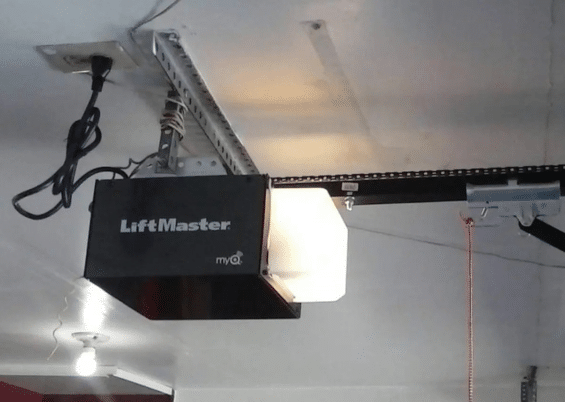
A garage door opener often shows warning signs long before it completely stops working, yet those signs are easy to overlook during daily routines. Many systems continue operating with reduced efficiency, which creates the false impression that everything remains reliable. Over time, small irregularities become normalized as part of daily use rather than recognized as developing problems. Mechanical and electrical stress quietly accumulates while the opener continues responding most of the time. When failure finally occurs, it often feels sudden even though warning signs appeared earlier.
Understanding how openers communicate problems requires attention to performance changes rather than waiting for total shutdown or complete loss of function. Sounds, timing, response behavior, and consistency all reveal valuable clues about system condition that often point toward the need for timely garage door repair. Ignoring these signals increases strain on connected components and shortens the lifespan of the entire system as parts compensate for unresolved issues. Recognizing early warning signs allows for professional evaluation before damage spreads into more complex and costly failures. Addressing these indicators early supports long-term system reliability and predictable daily operation.
Changes in Sound and Motor Behavior Over Time
Subtle changes in sound often represent the earliest indicators that internal opener components are wearing or misaligned. Motors, gears, and internal bearings gradually change how they sound under load. These changes typically appear long before the operation stops entirely. Listening closely provides useful insight into the internal condition.
Unusual Noises During Normal Operation
- Grinding sounds suggest internal gear wear that worsens with continued operation.
- Humming without movement often indicates a struggling motor or failing capacitor.
- Clicking noises may reflect relay issues or intermittent electrical connections.
- Rattling sounds can signal loose mounting hardware or internal vibration problems.
- Squealing noises often indicate dry bearings or friction inside moving components.
- Sudden volume changes suggest uneven load transfer within the system.
These sounds rarely appear without cause, even when the opener continues functioning. Noise changes reflect altered resistance, alignment, or power delivery within the motor housing. Over time, these stresses increase failure risk across connected components. Early evaluation helps prevent cascading damage that leads to a complete shutdown. Listening patterns offer valuable insight into system health.
Find out why a garage door opener can stop working even though the door still moves manually by reading: Why Does a Garage Door Opener Stop Working When the Door Still Moves?
Delayed Response or Inconsistent Activation
An opener that responds slowly or inconsistently often signals internal control or power delivery issues. These delays frequently worsen gradually, making them easy to dismiss at first. Consistent responsiveness is essential for dependable daily use.
Signs of Sluggish or Unreliable Operation
- Delayed response after pressing the wall control or remote button.
- Occasional failure to respond without repeated attempts.
- Partial door movement followed by sudden stops.
- Random reversals without visible obstructions.
- Inconsistent performance depending on temperature or time of day.
- Improved operation immediately after power cycling the system.
These behaviors indicate communication or electrical inconsistencies inside the opener. Control boards, wiring, or sensors may struggle to process signals reliably. Continued operation under these conditions increases stress on motors and gears. Professional assessment helps determine whether garage door opener repair or deeper component replacement is required. Ignoring delays often leads to unpredictable total failure.
Learn how issues with a garage door opener can place strain on other components and affect the entire door system by reading: How Garage Door Opener Problems Affect the Entire Door System.
Door Movement That Feels Rough or Uneven
When the garage door opener struggles to move the door smoothly, it often compensates by drawing additional power. This compensation masks deeper issues until damage becomes severe. Smooth, consistent movement reflects proper alignment and balanced operation.
Irregular Movement Patterns to Watch For
- Jerky movement during opening or closing cycles.
- Sudden speed changes without manual adjustment.
- Shaking or vibration is visible along the opener rail.
- Uneven stopping points at the top or bottom.
- Increased strain when lifting from the closed position.
- Reduced lifting speed compared to earlier performance.
These patterns suggest increased resistance within the system. Over time, the opener compensates by working harder, which accelerates internal wear. Addressing the cause early preserves both motor and mechanical components. Professional evaluation identifies whether alignment, force settings, or mechanical wear is responsible. Smooth operation reflects healthy system balance.
Explore when repairing a faulty garage door opener is the safer choice compared to continuing to use the system as-is by reading: When Garage Door Opener Repair Is Safer Than Continuing to Use the System.
Safety Features Activating More Frequently
Modern openers rely on built-in safety systems designed to stop operation when conditions appear unsafe, regardless of the types of garage doors being used. Frequent activation of these features signals underlying problems rather than random errors, especially when door weight or movement characteristics vary by design. Safety interruptions protect users but also reveal developing faults that require system-level attention rather than simple resets.
Repeated Safety-Related Interruptions
- The door reverses direction without visible obstructions.
- Photo-eye sensors trigger unexpectedly during normal operation.
- Force limits stop movement before reaching travel endpoints.
- Error lights or blinking codes appear more frequently.
- Opener shuts down during longer operation cycles.
- Manual reset temporarily restores function before recurrence.
Safety systems respond to resistance, misalignment, or electrical irregularities. When activation becomes frequent, the opener detects conditions outside safe operating ranges. Continued use without correction increases the risk of total failure. Early diagnosis prevents emergency garage door opener replacement scenarios. Safety alerts should prompt inspection rather than frustration.
Wall Control and Remote Communication Problems
Communication between controls and the opener depends on reliable signal processing. When this communication degrades, the operation becomes unpredictable. These issues often appear intermittently before the complete loss of function.
Signs of Communication Breakdown
- Wall controls stop working while remotes still function.
- Remotes lose range or require closer proximity.
- Controls work inconsistently depending on the location.
- Lights activate without motor movement.
- Programming resets unexpectedly after a power loss.
- Multiple controls fail simultaneously.
These symptoms suggest control board or wiring issues inside the opener that disrupt how the garage door installation works at a system level. Signal processing failures prevent commands from reaching the motor reliably, even though power may still be present. Manual operation may remain possible, which can obscure the seriousness of the issue and delay proper attention. A professional evaluation clarifies whether garage door opener installation components require adjustment or replacement to restore correct communication. Reliable signal transfer is essential for safe, predictable daily operation and long-term system stability.
Excessive Heat or Smell During Operation
Heat buildup often signals internal stress within the opener motor or electrical components. These signs usually appear late in the failure timeline but still provide a warning before total breakdown. Heat-related symptoms should never be ignored.
Heat-Related Warning Signs
- Warm housing after short operation cycles.
- Burning or electrical smells near the opener unit.
- Automatic shutdown after repeated use.
- Slower performance as the unit heats up.
- Reduced power output during extended cycles.
- Improved function after cooling periods.
Excessive heat indicates increased electrical resistance or mechanical load. Continued operation accelerates component degradation and increases failure risk. Addressing heat issues early prevents irreversible damage. Professional service identifies whether internal components require repair or replacement. Heat signals demand prompt attention.
Inconsistent Lighting or Indicator Behavior
Opener lights and indicator signals provide diagnostic feedback about the internal condition. Changes in lighting behavior often correlate with electrical or control board issues. These signals offer early insight into developing problems.
Indicator and Lighting Irregularities
- Lights flicker during operation without an external cause.
- Indicator patterns change without explanation.
- Lights remain on longer than programmed.
- Lights fail to activate during operation.
- Blinking codes appear intermittently.
- Indicator behavior changes after power interruptions.
These irregularities suggest control logic or power regulation problems. Over time, unstable electrical conditions damage sensitive components. Addressing indicator issues early helps prevent deeper failures. A professional diagnosis interprets signals accurately. Ignoring these clues delays necessary intervention.
Preserving Long-Term Reliability Through Early Evaluation
Reliable opener performance depends on addressing small issues before they escalate into major failures. Warning signs appear gradually, often long before the operation stops entirely. Paying attention to sound, response, movement, and communication reveals system health.
Professional evaluation ensures that minor issues do not evolve into emergency garage door opener replacement situations. System-level thinking preserves mechanical balance, electrical stability, and safe operation. Long-term reliability depends on recognizing patterns rather than reacting to sudden failure. Early attention supports consistent daily performance and reduces unexpected disruptions over time.
Brothers Garage Door Service delivers comprehensive garage door services focused on safety, performance, and long-term reliability. New installations, repairs, and routine maintenance are completed by skilled technicians using trusted products. Customer care, flexible appointments, and consistent workmanship guide every project.
Contact us today or give us a call for trusted garage door service in the Metro Detroit area.
Frequently Asked Questions
What early signs suggest a garage door opener may need repair?
Early signs often include hesitation, slower response times, or inconsistent operation when opening or closing. We frequently see these changes appear gradually, making them easy to dismiss at first. Addressing them early helps prevent added strain on internal opener components.
Why does the opener sometimes struggle even though the door still moves?
An opener struggling while the door still moves usually indicates rising resistance within the system. We often find balance issues, worn rollers, or cable tension problems forcing the opener to work harder than intended. This extra effort can shorten the opener’s lifespan if left unaddressed.
How does an unusual noise signal a potential opener failure?
Grinding, clicking, or humming sounds often point to worn gears or motor strain inside the opener. We frequently see noise increase as internal parts begin to wear unevenly. Early repair can prevent these sounds from turning into complete mechanical failure.
Why does the opener stop midway during operation?
Mid-cycle stopping is often a sign that the opener senses abnormal resistance or overheating. We commonly see this happen when force settings are triggered by imbalance or friction. This behavior is a protective response that signals the need for inspection.
How can a delayed response from the opener indicate trouble?
A noticeable delay between pressing the button and door movement often points to electrical or control issues. We frequently find worn circuit boards or failing capacitors behind this symptom. Early repair can restore responsiveness before the opener stops working entirely.
Why does the opener reverse direction unexpectedly?
Unexpected reversal usually occurs when safety systems detect resistance or misalignment. We often see this tied to door balance problems rather than the opener alone. Repairing the underlying issue helps prevent repeated shutdowns.
How does overheating signal an opener problem?
Openers may stop working temporarily when internal temperatures rise too high. We frequently see overheating caused by repeated strain from an unbalanced or heavy door. Persistent overheating is a strong indicator that repair is needed before permanent damage occurs.
Why do lights or controls behave inconsistently before failure?
Flickering lights, unresponsive remotes, or intermittent wall controls often indicate electrical wear. We commonly find loose wiring or failing internal components at this stage. Addressing these issues early helps prevent total electrical failure.
How does increased vibration point to opener wear?
Excessive vibration during operation often signals internal gear wear or mounting issues. We frequently see vibration increase as parts lose proper alignment. Early repair helps stabilize the operation and protect surrounding hardware.
Why should these warning signs never be ignored?
Garage door openers rarely fail without giving advance notice. We often see total failure occur only after multiple warning signs were overlooked. Acting early keeps repairs manageable and helps avoid sudden loss of access or emergency replacement.