
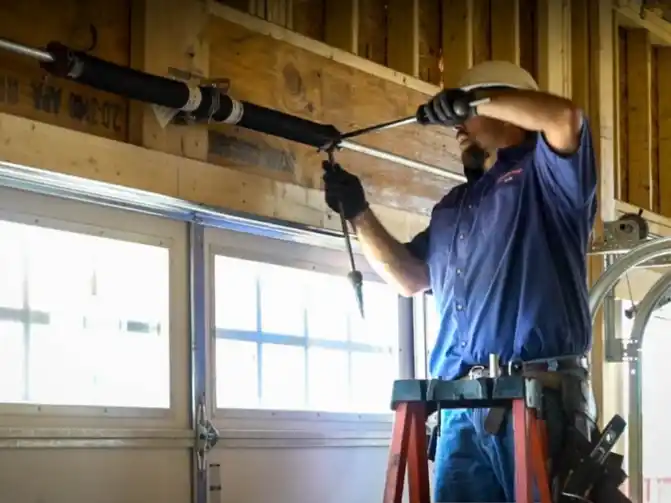
When a garage door stops halfway in Livonia, MI, it often signals a mechanical imbalance, sensor disruption, or a malfunction of the garage door opener that interrupts the door’s normal travel. Mid-cycle stopping should never be ignored, as it can indicate underlying garage door problems that affect reliability and daily access.
Repeated attempts to force the door through its cycle may increase strain on springs, cables, rollers, and the opener motor. Professional garage door repair ensures the true cause is identified early and restores safe, consistent performance without risking further system damage.
Why Does a Garage Door Stop Halfway and What Should You Do Next?
A mid-cycle stop usually occurs when the system senses resistance, imbalance, or a safety interruption, which can shift load onto vulnerable hardware and increase the risk of a sudden drop or opener strain if operation continues.
Common triggers that can cause a stop at mid-travel include:
- The opener motor detects abnormal resistance and halts the cycle to prevent overload.
- Safety sensors lose alignment, or the sensor lenses are blocked, resulting in an interruption of the safety beam.
- Limit settings or opener settings are miscalibrated, so the door stops before reaching full travel.
- Track binding, roller drag, or lack of lubrication increases friction and interrupts smooth operation.
- Spring tension changes reduce counterbalance support, causing the door’s movement to stall under load.
To connect these stop triggers to safety risks and service priorities, read our blog on Garage Door Stops Halfway: Causes, Safety Concerns, and Next Steps, which explains how professionals assess urgency before the issue escalates.
Professional Ways to Fix a Garage Door That Stops Halfway
Test and Calibrate Travel Limits for Smooth Full-Cycle Movement
Incorrect limit settings can stop the door mid-travel by ending the opener’s programmed range before the cycle completes.
Clues that point to limit calibration problems include:
- The door stops at the same height on repeated cycles.
- The opener lights flash after the stop event.
- The motor shuts off without grinding or jolting.
- The wall switch activates movement, then the cycle ends early.
- No obstruction appears along the track path.
Correct limit calibration restores full travel consistency by aligning the opener’s stop points with the door’s true open and close positions.
Verify Safety Sensor Alignment and Signal Integrity
Misaligned safety sensors can interrupt the photo-eye beam and prevent closing travel, even though the opening cycle still appears normal.
Sensor-related patterns that often show up include:
- One indicator light blinks instead of staying steady.
- The door starts down, then quickly reverses.
- Dust or moisture coats the sensor lenses near the floor.
- Low-voltage wires hang loose or shift near the track base.
- Nearby devices trigger signal interference at random times.
Clopay explains how sensor alignment affects reversal behavior and shows how to align garage door sensors for stable, safe closing travel.
Inspect Track Alignment and Correct Binding Points
Track alignment problems can introduce friction, forcing the opener to stop once resistance exceeds the system’s normal operating threshold.
Binding symptoms that support a track issue include:
- The door moves smoothly, then jerks at one spot.
- Scraping or rubbing sounds appear along the rail.
- Rollers press hard against one side of the track.
- Brackets loosen, and the track shifts out of square.
- The stopping point happens near the same track section.
Stable track alignment supports smoother travel by reducing drag points that commonly trigger mid-cycle stopping and unreliable door performance.
Adjust Lift Balance Issues Caused by Counterbalance Wear
Counterbalance wear can cause the opener to lift an extra load, increasing strain and leading to mid-cycle stopping during heavier parts of the travel.
Balance-related signs that can appear include:
- Manual lifting feels unusually heavy after pulling the release cord.
- The door drifts down instead of staying partially open.
- One side rises slightly faster than the other.
- Cables show uneven slack near the drums.
- The opener motor sounds strained during the first lift.
The International Door Association outlines balance-testing and maintenance standards that explain why counterbalance adjustments require high tension and should be handled by trained professionals.
Identify the Cable or Drum Slip That Interrupts Door Travel
A cable slipping on a drum can shift the lifting load unevenly and stall movement once one side loses consistent tension support.
Cable-and-drum warning indicators may include:
- Cables riding out of the drum grooves.
- Frayed strands or rust near the bottom brackets.
- Crooked travel that worsens as the door rises.
- A sudden drop on one side during closing.
- A stop that follows a brief jolt or snap.
Cable correction restores balanced lifting, and timely garage door cable service helps prevent uneven tension and repeated mid-cycle stopping.
Diagnose Roller Wear That Increases Drag Mid-Travel
Worn rollers can create track drag, increasing resistance until the opener halts to protect the system from overload.
Wear patterns that often point to rollers include:
- Clicking, squealing, or rumbling during travel.
- Wobbling rollers that do not sit straight in the track.
- Cracked nylon or rusted bearings on metal rollers.
- Flat spots that cause a rhythmic bumping feel.
- Jerky motion that appears worse in colder weather.
Roller replacement improves travel reliability by reducing friction and vibration, allowing the opener to move the door without triggering stop events.
Confirm Opener Force Settings Match Door Load Requirements
Force settings that are too sensitive can stop travel early by treating normal resistance as an obstruction during the cycle.
Performance cues that often match force problems include:
- The door reverses without a visible blockage.
- The stopping point changes slightly from cycle to cycle.
- The opener motor hums before shutting down.
- Lights flash after a partial close attempt.
- Recent opener adjustments happened without full testing.
Balanced force calibration supports consistent travel by ensuring the system responds to real resistance without stopping for normal door load changes.
Evaluate Spring Fatigue When the Door Stops Halfway Up
Spring fatigue can reduce lifting support and cause a stall once door weight increases during the heavier middle portion of travel.
Spring-related indicators that often appear include:
- A visible gap in the torsion spring coil.
- A loud bang followed by a weaker lifting performance.
- Slower opening speed under normal use.
- The door feels heavy during manual lift checks.
- Jerky movement that shows signs of wear over time.
Spring replacement restores proper counterbalance, and addressing fatigue through broken garage door springs service helps prevent sudden lift failure and recurring stops.
Resolve Door Panel or Hinge Resistance That Triggers Reversal
Panel misalignment or hinge wear can create uneven pressure, increasing resistance until the system stops or reverses to prevent damage.
Structural clues that suggest hinge or panel resistance include:
- Bent hinges between sections or loose hinge screws.
- Gaps are forming along panel seams during travel.
- A sagging section that rubs the track edge.
- A reversal that happens near the same panel position.
- Uneven roller spacing caused by shifting sections.
Hinge and panel correction improves travel stability by removing bind points, allowing the system to complete cycles without triggering resistance shutdown.
Replace Worn Opener Components That Lose Power Under Load
Internal opener wear can reduce torque output and cause the door to stop during mid-travel as the door load increases.
Opener component symptoms that often show up include:
- Grinding noises that suggest gear wear inside the unit.
- Delayed response from the remote control or wall switch.
- Intermittent movement followed by a full stop.
- Lights are turning on without consistent door movement.
- A pattern of garage door opener problems that worsens weekly.
Replacing worn internal parts restores stable drive performance, and upgrading through professional garage door opener service improves reliability and lifting strength.
What Makes These Mid-Cycle Stops More Common in Livonia, MI
In Livonia, MI, seasonal swings, moisture exposure, and daily cycling can combine to increase friction, shift alignment, and accelerate wear, making mid-cycle stopping more likely over time.
Factors that commonly contribute to repeated mid-travel stopping include:
- Temperature changes that affect spring tension and alter lift support during travel.
- Moisture, ice, and road salt increase drag on tracks, rollers, and hinges.
- Sensor lenses that collect dust or debris near the floor interrupt safety sensors.
- Older hardware that develops loose fasteners, uneven roller travel, and track shifting.
- Door opener issues are linked to power supply instability or weak batteries in the remote control.
- Signal interference from nearby devices disrupts the garage opener’s communication.
- Lack of lubrication that increases friction and contributes to unusual noises during operation.
Local conditions often accelerate minor issues into common garage door problems, so a professional evaluation helps confirm the root cause and restore consistent, safe performance before further damage develops.
When a Garage Door Stops Halfway, the System Is Protecting Against Damage
When a garage door stops halfway, the built-in safety logic is usually responding to an overload, resistance, or imbalance to prevent strain on critical parts and reduce the risk of a sudden failure.
Protective responses that commonly trigger a mid-cycle stop include:
- The opener motor detects resistance beyond programmed force settings.
- Safety sensors interrupt the closing path to prevent injury or obstruction impact.
- Spring tension loss shifts extra weight onto the opener drive system.
- Track binding or roller drag increases friction during travel.
- Cable imbalance cis reating uneven lift pressure across the door width.
- Electrical interruptions are affecting the unit’s consistent power supply.
- Internal safeguards activate to protect the mechanical system from overheating.
These protection responses directly tie to the safety risks discussed in our blog on Is It Dangerous If a Garage Door Stops Halfway?, where we explain the most serious hazards homeowners should recognize before continued use leads to further damage.
Why a Garage Door Stops and Reverses Instead of Finishing the Cycle
A reversal before full closure usually occurs when the system detects resistance, misalignment, or a safety interruption, which signals the opener to change direction rather than complete the cycle.
Common reasons a garage door stops and reverses include:
- Safety sensors detect an obstruction or a loss of beam alignment near the floor.
- Force settings that are too sensitive, interpreting normal resistance as blockage.
- Track misalignment creates friction during downward travel.
- Worn rollers increase drag along one section of the track.
- Spring tension imbalance is causing an extra load on the opener.
- Loose cables are altering lift distribution during closing.
- Electrical inconsistencies affecting a steady power supply.
Reversal behavior is a protective response built into modern systems, and identifying the exact trigger helps restore proper operation without increasing strain on the opener or lift components.
What a Technician Will Do During an Appointment in Livonia
A professional service appointment focuses on identifying the exact mechanical, electrical, or balance-related cause behind a garage door that stops mid-cycle so the issue can be corrected safely and efficiently.
During a diagnostic visit, a technician will typically:
- Run controlled open-and-close cycles to observe where the door’s movement stops.
- Test the garage door opener for motor strain, limit setting accuracy, and force calibration.
- Inspect springs, cables, rollers, and tracks for signs of wear or imbalance.
- Check safety sensors for alignment, wiring stability, and signal consistency.
- Evaluate the power source, wall switch, and circuit breaker for electrical irregularities.
- Examine hardware fasteners and mounting brackets for shifting or looseness.
- Confirm balanced manual lift performance after disengaging the release cord.
The complete diagnostic steps are outlined in our guide on What to Check When a Garage Door Stops Halfway, which explains the key components and opener settings that professionals review before confirming the proper repair solution.
Next Steps If Your Garage Door Won’t Open All the Way
When a garage door won’t open all the way, the system is often reacting to resistance, imbalance, or opener calibration issues that should be addressed promptly to prevent additional strain or unexpected failure.
Important next steps to consider include:
- Stop repeated cycling to avoid stressing the opener motor and lift components.
- Check the power source and circuit breaker to confirm a steady electrical supply.
- Observe for unusual noises that may indicate resistance in the mechanical system.
- Look for visible signs of damage along tracks, cables, and rollers.
- Confirm the safety sensors remain aligned and free from obstruction.
- Note whether the remote control or wall switch responds inconsistently.
- Schedule professional garage door repair if the stopping pattern continues.
Prompt evaluation protects the mechanical system, reduces the risk of further damage, and restores safe, reliable operation before minor issues escalate into more serious garage door problems.
Fix a Garage Door That Stops Halfway Before It Leads to Bigger Problems
When a garage door stops halfway, the interruption usually indicates an imbalance, a sensor issue, or an opener strain that should not be ignored. Prompt evaluation helps protect your home’s security, prevent further damage, and restore smooth, reliable operation before minor issues escalate.
Brothers Garage Door Service delivers expert garage door repair in Livonia, MI, with thorough diagnostics that cover spring tension, safety sensors, tracks, and garage door opener performance. We focus on long-term reliability and safe system function, so contact us or give us a call today to schedule trusted local service and restore full door operation.