Garage Door Cable Came Off One Side? Causes and Solutions
Garage door cables are precision components that keep both sides of the door moving in sync, and when one side fails, the door immediately loses the balance it needs to operate. A garage door cable came off one side is a problem that puts excessive strain on the drums, springs, and the remaining cable on the other side.
That kind of strain does not stop on its own, and leaving it unaddressed leads to broken cables, damaged components, and a door that stops working completely. This guide covers the exact causes, warning signs, and solutions that get the door back to full working condition.
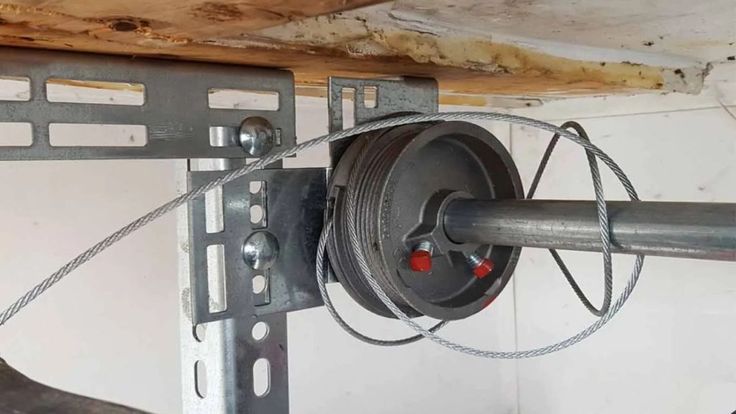
How Garage Door Cables Work and Why They Matter
Garage door cables are the core components that transfer the force from the springs directly to the door, and every time the door moves, they are what keep both sides rising and lowering at the exact same rate.
Key reasons why garage door cables matter to your entire system include:
- Cables carry the full weight of the door on every single cycle.
- Springs rely on cables to transfer their stored energy directly to the door.
- Every moving part stays aligned because the cables maintain even tension on both sides.
- Proper cable tension allows the opener to run smoothly within its designed capacity.
- Connecting the bottom bracket to the drum on each side keeps the entire system functioning as a single unit.
To understand how cable failure shows up in your door’s daily behavior, read our guide on Signs Your Garage Door Cable Came Off One Side, which covers every visible indicator that points to a cable problem before it develops into a full system failure.
The Impact of a Garage Door Cable Coming Off One Side
When a garage door cable comes off one side, the door loses the support it needs to function, and the effects spread across the entire system almost immediately.
Here’s what happens when a cable comes off:
- One side of the door drops and can no longer open or close evenly.
- Uneven tension forces the opener to strain beyond its designed capacity.
- Added pressure on the tracks and rollers accelerates wear on both sides.
- All the load shifts to the remaining cable, pushing it past its limits.
- Every cycle after that point causes more damage to the surrounding components.
Each of these effects is a reason to schedule garage door repair as soon as the cable comes off, to prevent the damage from spreading to the rest of the system.
Why Do Garage Door Cables Come Off One Side?
Broken Torsion or Extension Springs
Spring failure is the most immediate reason a cable slips off the drum and loses tension on one side.
Common signs that a broken spring caused the cable to come off:
- A broken torsion spring instantly causes the cable to go slack and slip off the drum.
- Snapped extension springs immediately pull the door into an uneven position.
- Torsion springs past their cycle life are significantly more prone to sudden failure.
- A loud bang from the garage often signals that a spring has given out.
- Slack cables from spring failure slip off the drum before the door can be stopped.
Timely spring inspection and replacement keep the cables seated on the drum and the door balanced.
Worn Rollers, Pulleys, or Frayed Cables
Gradual wear on moving components is one of the most overlooked reasons a cable loses its position over time.
Key wear indicators that contribute to cable failure:
- Cracked or flat rollers cause the door to travel unevenly with each cycle.
- Damaged pulleys prevent the cable from maintaining its correct path during operation.
- Fraying cable strands weaken the line until the remaining strands snap under load.
- Rust buildup on the cable surface accelerates strand deterioration over time.
- Worn components place continuous stress on the cable until it fails entirely.
Regular inspection of rollers, pulleys, and cables ensures the system runs without interruption.
Bent or Misaligned Tracks
Track misalignment causes uneven door movement, which can pull a cable off its drum without warning.
Ways that track problems directly cause cable displacement:
- Bent track sections cause the door to catch and jerk on every cycle.
- Misalignment on one side creates sudden slack in the cable during operation.
- Loose track hardware allows the track to shift gradually out of position.
- Gaps between the rollers and track wall signal that the track has moved out of alignment.
- Uneven lateral pressure on the drum eventually causes the cable to jump off.
Keeping tracks aligned and hardware tight prevents uneven door travel, which can displace cables.
Obstructions or Improper Manual Lifting
Sudden interruptions in the door’s travel path are a direct cause of cable displacement on one side.
Common obstruction and handling mistakes that knock cables off:
- Path obstructions stop one side of the door while the other keeps moving.
- Uneven manual lifting immediately pulls one cable out of position.
- Lifting with the garage door opener engaged creates conflicting tension on the cable.
- Tools, bikes, or boxes near the door frequently trigger sudden stoppages.
- Repeated improper manual operation loosens the cable seating on the drum.
Keeping the door path clear and disengaging the opener before any manual lift protects the cable.
Improper Installation or Wrong Cable Size
Poor installation creates cable problems that surface after only a few hundred cycles of use.
Installation mistakes that lead to repeated cable failure:
- Incorrectly wound cables slip off the drum after minimal use.
- Cables too short or too thin for the drum prevent proper seating.
- Incorrect tension during installation leaves the door unbalanced from the first cycle.
- Mismatched cable and drum sizes cause uneven winding and repeated slippage.
- Poor installation adds stress on the springs, rollers, and tracks from day one.
Having a qualified technician install cables with the correct specifications ensures the system operates correctly.
Signs of Broken Garage Door Cables
Broken garage door cables leave clear indicators on the door and the surrounding components that point directly to the source of the problem.
Warning signs that point to a broken or displaced garage door cable:
- One side of the door drops lower than the other during operation.
- Cable slack or pooling near the door track signals a displaced cable.
- Fraying or broken strands mean the line is close to full failure.
- Grinding, snapping, or popping sounds point to a cable under abnormal stress.
- Rust along the cable surface accelerates the risk of a snap.
- Heavier or slower movement on one side signals uneven cable tension.
To determine whether continuing to operate the door poses further risk to your system, read our guide on Garage Door Cable Came Off One Side: Is It Safe to Use?, which walks through every factor that determines whether the door can still be used safely.
What to Inspect After Spotting the Signs
Knowing exactly where to look after noticing a cable issue helps pinpoint the problem before a technician arrives.
Key areas to inspect after spotting the signs of a cable problem:
- Check the cable drums on both sides for any slack or displaced cable.
- Look along the full length of the cable for fraying, rust, or broken strands.
- Inspect the tracks for bends, gaps, or sections that have shifted out of position.
- Test the spring tension by lifting the door manually and checking for uneven resistance.
- Examine the bottom bracket where the cable attaches for any signs of damage or looseness.
A thorough inspection of these areas helps a technician determine whether the door needs a simple repair or a full garage door replacement.
How to Fix Garage Door Cable Off Track
Fixing a garage door cable off track depends on the exact condition of the cable and the components connected to it.
|
Problem |
Solution |
|
Cable is slack but intact |
Reseat the cable into the drum groove after releasing spring tension |
|
Cable is frayed or snapped |
Replace both cables for balanced operation |
|
Cable keeps slipping off the drum |
Reposition and retighten the drum on the torsion bar |
|
Tracks are bent or shifted |
Straighten and realign tracks before reinstalling the cable |
|
Broken springs or damaged drums |
Contact a professional before any cable work begins |
To know exactly when the situation calls for a trained technician instead of a DIY attempt, read our guide on Garage Door Cable Came Off One Side: When to Call a Pro, which covers every scenario where expert hands are the right call.
Steps to Take After a Garage Door Cable Failure
Taking the right steps in the correct order protects both the door and everyone in the garage when a cable comes off.
Steps to take immediately after a cable failure:
- Disconnect power to the opener, then clamp locking pliers onto the track to secure the door in place.
- Inspect the cable to determine whether it is displaced or fully snapped.
- Check the springs for any visible breaks before attempting any further inspection.
- Prop the door securely before touching any cables or hardware.
- Reinstall an intact cable or replace a damaged one before testing the door.
- Run the door through a full open-and-close cycle to confirm smooth, even operation.
Following these steps in the correct order provides the repair with a solid foundation and ensures the door returns to safe, balanced operation.
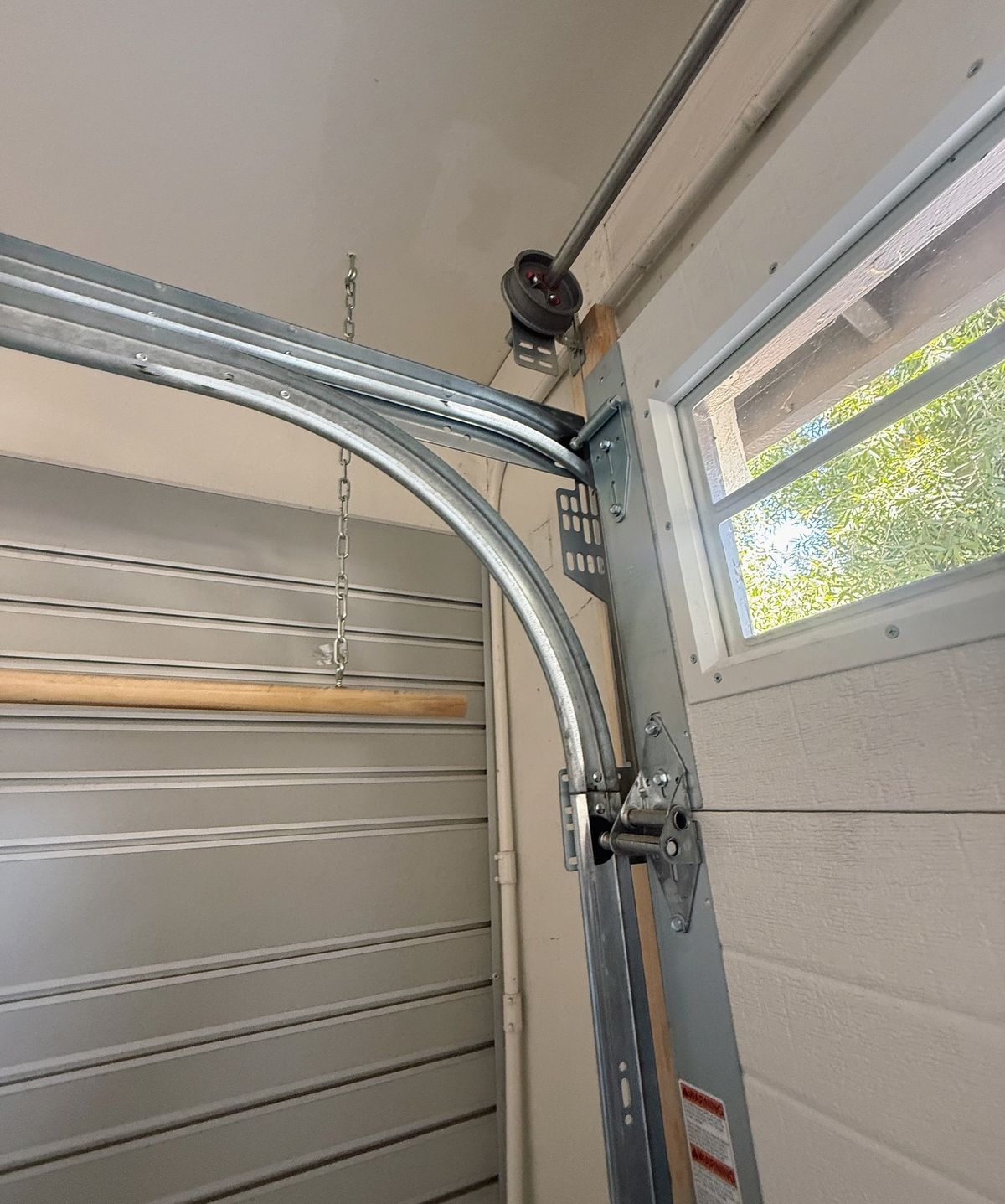
How to Prevent Garage Door Cable Problems
Preventing garage door cable problems comes down to consistent maintenance habits that keep every connected component in good working condition.
Key preventative maintenance steps to protect your garage door cables include:
- Schedule a professional inspection twice a year to catch wear before it leads to failure.
- Properly lubricate cables, drums, and pulleys every 3 to 6 months with a silicone- or lithium-based product.
- Stop the opener immediately if the door shows resistance, then run it again.
- Replace cables showing rust or fraying before they reach the point of failure.
- Keep tracks clean and free of debris to reduce unnecessary stress on the cables.
Regular upkeep of these key areas significantly reduces the risk of facing a garage door cable displacement on one side.
Fix Your Garage Door Cable the Right Way in Livonia, MI
A garage door cable came off one side, affecting every component connected to it, and the right repair makes all the difference in how long the fix holds. Understanding the causes, the warning signs, and the correct solutions puts you in the best position to restore the door properly.
Brothers Garage Door Service has helped countless homeowners in Livonia, MI, get their garage doors working again with repairs built to last. Our team handles every type of cable failure with the right tools and experience, so contact us or give us a call today to get your door back on track.
Frequently Asked Questions
What should I do if my garage door cable has snapped?
Stop using the door immediately and disconnect power to the opener. A snapped cable puts the entire system under uneven tension, and a qualified technician should inspect and replace it before the door is operated again.
Is it safe to repair a garage door cable myself, or should I hire a professional?
No, handling garage door cable repair on your own is not recommended without the right tools and training. Cables and springs operate under significant tension, and a mistake during the repair process puts you at serious risk of injury.
Why do garage door cables fall off or come off the spool?
Cables come off the spool due to broken springs, worn drums, misaligned tracks, or obstructions that cause uneven door movement. Poor installation is another common reason, as incorrectly wound cables slip off after minimal use.
How much does it typically cost to repair or replace a garage door cable?
Garage door cable replacement costs vary depending on the door size, cable type, and whether additional components, such as springs, need attention at the same time. Getting a professional assessment is the most accurate way to determine what the repair will involve for your specific system.
How can I replace a garage door cable step-by-step at home?
Disengage the opener, clamp the door in place, remove the old cable from the bottom bracket and drum, wind the new cable onto the drum in the correct direction, and reattach it to the bottom bracket. We recommend this only to those with prior mechanical experience and always with someone else present.
What are the common causes for garage door cords jumping off the pulley?
Cables jump off the pulley due to a broken spring, a bent pulley bracket, or a door lifted unevenly during manual operation. Regular inspection of the pulley hardware and spring system helps keep the cable seated correctly during every cycle.
What tools and replacement parts are needed for garage door cable repair?
A basic repair garage door pulley cables job requires locking pliers, winding bars, a socket wrench set, and a replacement cable that matches your door’s weight rating and drum size. Always verify the cable specifications before purchasing any parts.
Are replacement kits for garage door cables worth it, and how do I choose one?
Yes, replacement kits are worth it when they include the correct cable size and hardware for your specific door type. Look for kits that list a weight rating and avoid generic options that do not specify compatibility with your system.
What maintenance tips help prevent garage door cable issues?
Lubricate cables, drums, and rollers every three to six months and schedule a professional inspection twice a year. Keeping tracks clean and replacing worn components before they fail are the most effective ways to avoid cable problems.
How do garage door torsion spring cables differ from other types of cables?
Garage door torsion spring cables wrap around a drum mounted on a central shaft above the door and are powered by stored torsion energy. Extension spring cables run through a pulley system along the side tracks, lifting the door from the bottom corners on each side.

