
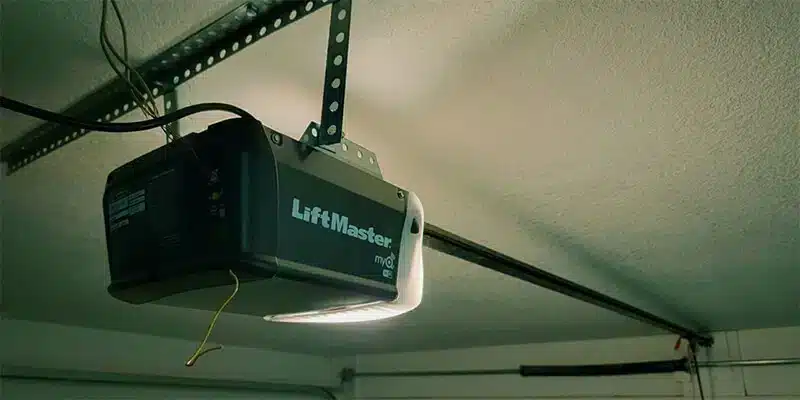
If your garage door opener hesitates, reverses on its own, or the motor sounds like it’s working overtime, there’s a good chance its horsepower no longer matches what the door actually needs. This is one of the most common issues homeowners run into once a garage door opener gets older or the door itself becomes heavier over time, and it’s easy to miss until the strain becomes obvious.
A weak opener doesn’t just make daily use frustrating. Left unchecked, it can shorten the life of the motor and put extra stress on the door panels and track.
Why Horsepower Problems Show Up Over Time
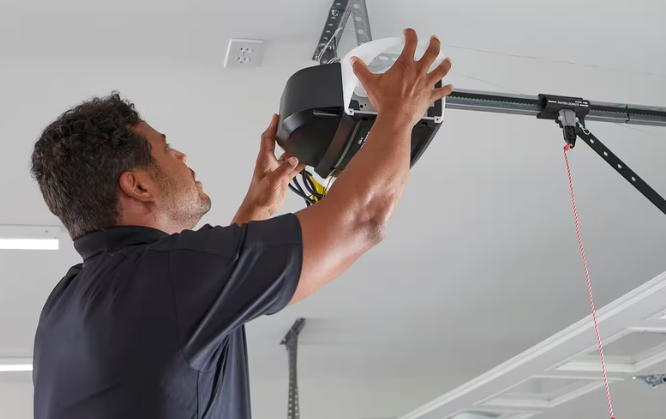
Garage door opener horsepower that was once perfectly fine can start to fall short as a door ages, gains weight from moisture, or shifts slightly out of balance. This doesn’t usually happen overnight. It builds gradually, which is why many homeowners don’t notice it until the motor is already struggling. By the time the signs are obvious, the opener has often been working harder than it should for months, and a simple garage door repair may no longer be enough to resolve it.
Common Garage Door Opener Horsepower Issues
- The motor runs longer than it used to for the same door cycle
- Unusual grinding or straining sounds during opening or closing
- The door appears to hesitate partway through its movement
- Increased vibration felt through the garage door opener unit itself
- The remote sensor seems to take longer to trigger a response
If any of this sounds familiar, it may help to review What Size Garage Door Opener for a Double Door? to compare your current setup against what’s typically recommended for your door type.
Signs Your Opener Motor Is Struggling
A struggling motor often shows physical and audible signs before it fails completely. Catching these early can prevent a full garage door opener replacement down the line, and it often means the fix stays simple rather than turning into a bigger repair. This is also why routine garage door maintenance often includes a check of the motor’s sound, speed, and temperature.
What to Check When Your Door Feels Slow
- The door takes noticeably longer to open or close than before
- The opener’s motor housing feels warm or hot after a normal cycle
- The remote or wall switch requires multiple presses to get a response
- The chain, belt, or screw drive appears to skip or stutter during movement
None of these signs mean you need to repair anything yourself. They’re simply a clear signal that the setup should be inspected by a trained professional who can confirm whether horsepower is actually the issue, or whether something else in the system is adding resistance.
How Door Weight Affects Horsepower Strain
Door weight has a direct relationship with how hard an opener motor has to work, and small changes in weight can add up over the years. This is especially true for doors that were installed years ago under different manufacturing standards, since older doors were sometimes paired with openers rated for lighter materials than what’s common today.
Materials That Put More Load on the Motor
- Solid wood doors that absorb moisture and gradually gain weight
- Insulated steel doors with foam cores that add mass compared to non-insulated versions
- Older doors with worn rollers or hinges that create extra resistance during movement
Understanding your door’s material is a useful starting point, but it’s just one part of the picture. Track alignment, spring tension, and roller condition all factor into how much strain the motor experiences daily, which is why two doors made from the same material can still put very different loads on their openers.
When Weak Horsepower Leads to Bigger Problems
Ignoring a struggling opener rarely resolves on its own, and in many cases, the strain on the motor gets passed along to other parts of the system. This is where small horsepower issues can turn into larger, more expensive problems, sometimes affecting the door’s springs, track, or panel alignment as well.
Warning Signs Before a Full Breakdown
- The opener stops responding to remote or keypad commands entirely
- The door only opens partway before stalling
- Visible wear appears on the drive chain, belt, or gears
- The motor cycles on and off repeatedly without completing a full movement
According to common garage door problems documented by home improvement experts, motor strain is one of the leading causes behind sudden opener failure, which makes early inspection worth the time. Waiting until the opener stops working completely usually means a more involved and less convenient repair process.
Garage Door Opener Size Chart and Horsepower Matching
A garage door opener size chart can be a useful reference point once you suspect horsepower is the issue, though it should be paired with an actual inspection rather than used on its own. Charts are built around average door weights, and your specific door may fall outside that average once age and material changes are factored in.
Matching Horsepower to Door Type
- Lighter doors generally pair well with lower horsepower ratings
- Heavier or insulated doors often need a stronger motor to avoid strain
- Doors with worn components may need repair before horsepower can be accurately assessed
- Doors that have been resized or modified over the years may no longer match their original opener rating
For a broader comparison across manufacturers, read How Do Garage Door Opener Sizes Compare by Brand?, which breaks down how different brands handle horsepower ratings for similar door types.
When a Smart Opener Helps Diagnose Weak Horsepower
A smart garage door opener can sometimes make it easier to catch horsepower problems early, since many models include app alerts and usage tracking that older openers simply don’t offer. This kind of visibility can be especially helpful for households that aren’t always home to notice a slow or straining cycle in person.
Smart Features That Signal Trouble Early
- App notifications when a cycle takes longer than usual
- Battery backup status alerts, which can reveal motor strain during outages
- Activity logs that show gradual changes in how long the door takes to move
- Remote diagnostics that some models offer during routine app checks
If your opener is due for an upgrade, it may be worth reading When Should You Replace Your Smart Garage Opener? to see whether newer features would help you catch these issues sooner. Even for households that aren’t ready to upgrade yet, understanding what modern openers can track is a helpful way to recognize when a current unit is falling behind.
Homeowners researching this topic may also find it useful to review the signs your garage door opener is struggling, as outlined by home service experts, since many of the same warning signs apply across different opener brands and models.
Local Factors That Affect Opener Strain in Livonia
Michigan’s seasonal swings add extra strain to garage door openers that homeowners in milder climates don’t usually deal with. Cold winters in particular can make an already weak motor feel even more sluggish, since lower temperatures affect both the lubricant and the metal components inside the opener.
Michigan Conditions and Motor Wear
- Cold temperatures thicken lubricant and make components move less freely
- Snow and ice buildup can add temporary weight to the bottom of the door
- Seasonal temperature swings can gradually loosen hardware and fasteners
- Humidity in warmer months can add moisture weight to wood door panels
Homeowners in Livonia often notice horsepower issues become more obvious heading into winter, simply because the motor is already working against colder conditions.
Getting Ahead of a Struggling Garage Door Opener
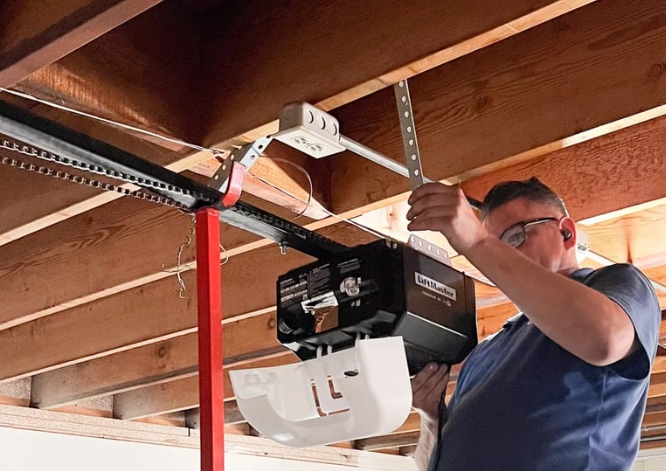
A weak or straining opener rarely fixes itself, and the earlier the signs are caught, the easier it usually is to address. Whether the cause is an aging door, added weight, or a motor that was undersized from the start, catching the pattern early can prevent a more disruptive breakdown later. Most homeowners find that a simple inspection is enough to clarify whether the opener itself is the problem or whether another part of the system needs attention.
If your opener has been showing any of these signs, it’s worth having it inspected before the issue gets worse. Brothers Garage Door Service helps homeowners across Livonia figure out whether a struggling opener needs a repair or a full replacement, based on the door’s actual condition and how much strain the motor has been under. Contact us or give us a call for a straightforward assessment of your setup.