
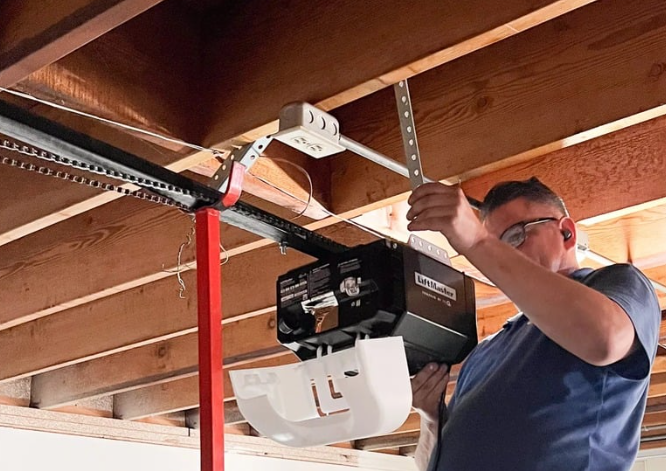
Most garage door openers last between 10 and 15 years, but age alone isn’t always the deciding factor. Repeated repairs, mismatched horsepower, and outdated safety features are often bigger signals that it’s time for a garage door opener replacement rather than another quick patch job.
Timing a replacement well can save both frustration and money down the road. Waiting too long often means dealing with an unexpected failure at an inconvenient moment, while replacing too early can mean spending money before it’s truly necessary. Knowing what to watch for helps you land somewhere in between, and it’s usually a combination of factors rather than a single warning sign that points toward the right decision.
How Long a Garage Door Opener Typically Lasts
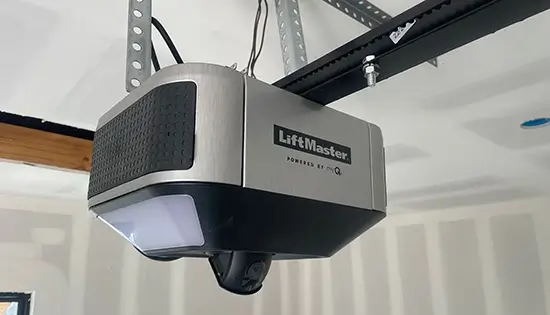
Garage door opener lifespan depends heavily on usage, maintenance, and the quality of the original unit. A well-maintained opener on a properly balanced door tends to last toward the higher end of the typical range, while one that’s been strained for years may need replacing sooner than the general average suggests.
Average Garage Door Opener Lifespan by Type
- Chain-drive openers often last around 10 to 15 years with regular upkeep
- Belt-drive openers can have a similar lifespan, though quieter operation may mask early wear
- Screw-drive openers vary more widely depending on maintenance and climate exposure
- Units that were undersized for their door tend to wear out faster than properly matched models
If you’re unsure whether your current opener was ever properly matched to your door in the first place, it may help to revisit What Size Garage Door Opener for a Double Door? before deciding whether a replacement is really necessary.
Common Reasons for Garage Door Opener Replacement
Most replacements happen for a handful of predictable reasons rather than sudden, unexplained failure. Recognizing these patterns early can help you plan a replacement on your own timeline instead of waiting for a breakdown at the worst possible moment, and it also helps you tell the difference between a simple garage door repair and a problem that calls for a full opener replacement.
Warning Signs It’s Time for a Garage Door Opener Replacement
- Frequent repairs that keep addressing the same underlying issue
- A motor that struggles noticeably more than it used to
- Parts that are difficult or expensive to source for an older model
- Safety features that no longer meet current standards
- A unit that no longer supports newer remotes or keypad accessories
None of these signs means the opener needs to be replaced immediately, but together they’re usually a strong indicator that a professional evaluation is worth scheduling soon, rather than waiting for a complete failure.
How Door Size and Horsepower Affect Replacement Timing
Garage door opener size and horsepower play a bigger role in replacement timing than most homeowners expect. An opener that was undersized from the start tends to wear out faster than one properly matched to the door’s weight, which means some replacements are really overdue corrections rather than simple wear and tear. This is one more reason regular garage door maintenance matters, since it often reveals a sizing mismatch before it turns into a full breakdown.
When Horsepower Mismatch Signals a Bigger Problem
- An opener rated below what a double door actually requires
- A door that has gained weight over time due to material or moisture changes
- Consistent strain signs even after basic maintenance has been performed
- A replacement door was installed years after the original opener, without resizing the motor
If your current setup already shows signs of struggling, it’s worth reviewing Is Your Garage Door Opener Horsepower Too Weak? to determine whether the horsepower itself is the underlying cause rather than simple age.
Upgrading to a Smart Garage Door Opener
A smart garage door opener offers more than convenience. Many newer models include diagnostic features that help homeowners catch problems earlier than older, non-connected units ever could, which can make a real difference for a heavier double door setup.
Features Worth Considering When You Replace
- App-based alerts for unusual cycle times or performance changes
- Battery backup for continued use during power outages
- Rolling code security to help prevent signal copying
- Compatibility with existing smart home systems already in the household
Reviewing professional garage door maintenance guidelines from industry professionals can help clarify which features are considered standard versus optional for a long-term, reliable setup.
Garage Door Opener Size Chart Considerations When Replacing
When replacing an opener, it’s worth double-checking that the new unit is actually sized correctly for your door rather than simply matching the old model. A garage door opener size chart can help confirm this, especially if your door has changed in any way since the original installation, whether through repairs, added insulation, or general wear.
Matching a New Opener to Your Existing Double Door
- Confirming current door weight, since insulation or repairs may have changed it
- Checking whether the old opener was ever properly sized in the first place
- Comparing manufacturer charts if you’re switching brands during replacement
- Accounting for any hardware upgrades made to the door since original installation
For a closer look at how sizing and features differ across manufacturers, read How Do Garage Door Opener Sizes Compare by Brand?, which can help narrow down options before making a final decision.
Safety and Standards to Check Before Replacing
Safety standards for garage door openers have evolved over the years, and an older unit may be missing features that are now considered standard. This is especially relevant for households with children or pets who use the garage regularly, since modern safety features are designed with everyday household use in mind.
What to Look for in a New Opener’s Safety Features
- Auto-reverse sensors that detect obstructions during closing
- Manual disconnect options for emergency situations
- Updated rolling code technology for improved security
- Entrapment protection features required under current safety guidelines
Understanding the safety standards behind automatic garage door systems can help clarify why some older openers no longer meet current recommendations, even if they still technically function.
Local Factors That Affect Replacement Timing in Livonia
Michigan winters can shorten a garage door opener’s usable lifespan compared to milder climates, since cold temperatures put extra strain on motors and components. Homeowners in Livonia often find that openers here wear out a bit sooner than the general average suggests, particularly on heavier double doors that already demand more from the motor.
How Michigan Weather Shortens Opener Lifespan
- Cold temperatures increase strain on motors during winter months
- Humidity swings between seasons can affect wood door weight and opener load
- Road salt and moisture exposure can accelerate wear on exposed components
- Freeze-thaw cycles can affect door balance, which indirectly adds strain to the opener
Factoring in local climate conditions can help set more realistic expectations for when a replacement might actually be needed, rather than relying solely on national averages that don’t account for Michigan’s seasonal extremes.
Knowing When It’s Time for a New Opener
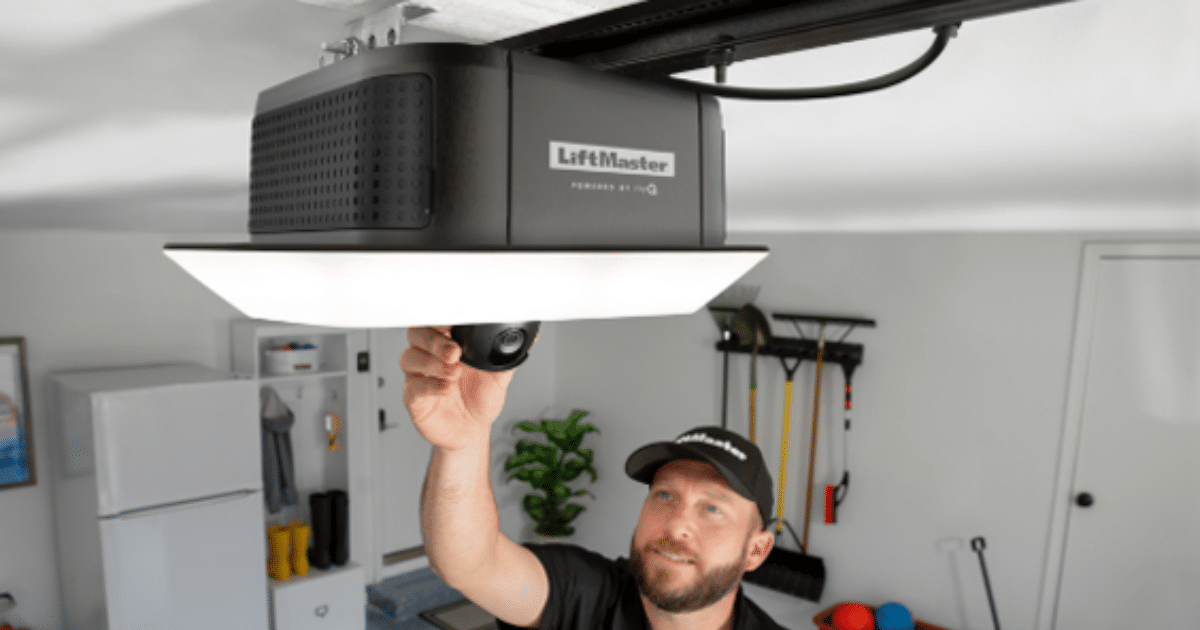
Deciding when to replace a garage door opener usually comes down to weighing repair frequency, horsepower mismatch, and outdated safety features against the cost and effort of a full replacement. There’s rarely one single sign that makes the decision obvious, which is why looking at the full picture tends to lead to a better outcome than reacting to just one issue. Taking stock of age, performance, and safety features together gives a much clearer answer than focusing on any one factor alone.
If you’re weighing whether to repair or replace your current setup, a professional evaluation can help clarify the right path forward. Brothers Garage Door Service works with homeowners across Livonia to determine whether an aging opener still has useful life left or whether replacement makes more sense long term. Contact us or give us a call to get a clear answer for your specific situation.