
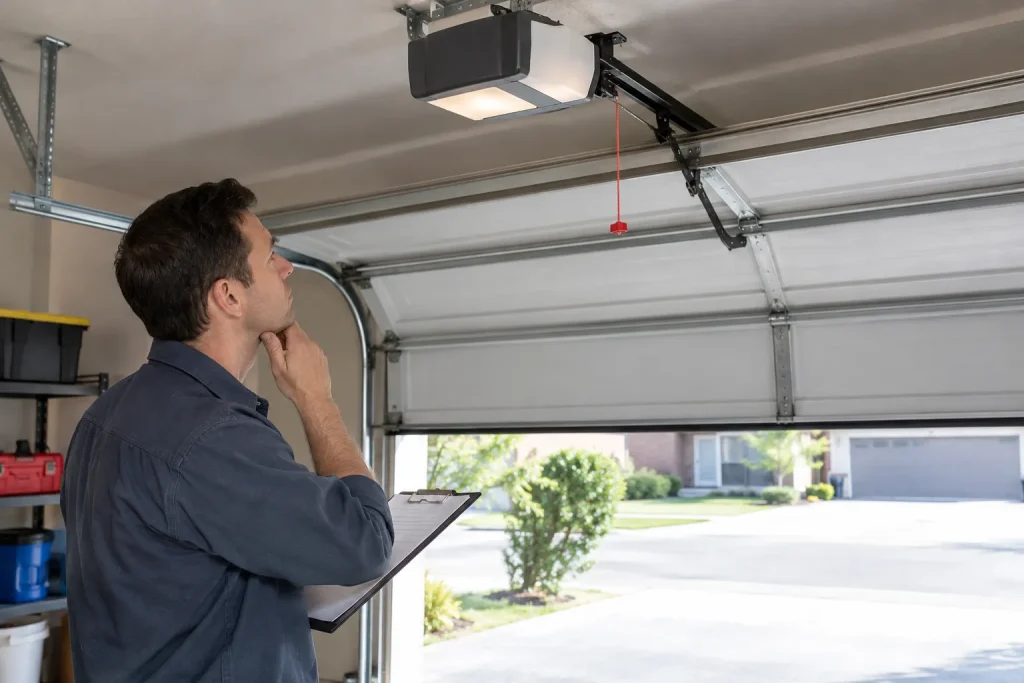
A garage door that opens without warning almost always traces back to one specific cause inside the garage door opener system, confirmed through a sequence of checks rather than guesswork. Testing the remote, the wiring, and the safety sensors in order narrows the problem to one clear answer quickly.
Checking each component methodically avoids replacing parts that were never actually causing the issue in the first place, which saves both time and unnecessary repair costs. This guide walks through the exact diagnostic steps, in order, along with what each specific result actually confirms about the opener system.
Key Takeaways
- Testing components in a specific order saves time over random guessing.
- Removing the remote from the vehicle rules out a stuck button quickly.
- Disconnecting wall control wires isolates a wiring-related short.
- A logic board reset clears the memory of every stored remote code.
- Documenting when and how the door opening happens supports an accurate diagnosis.
Steps to Diagnose a Self-Opening Garage Door
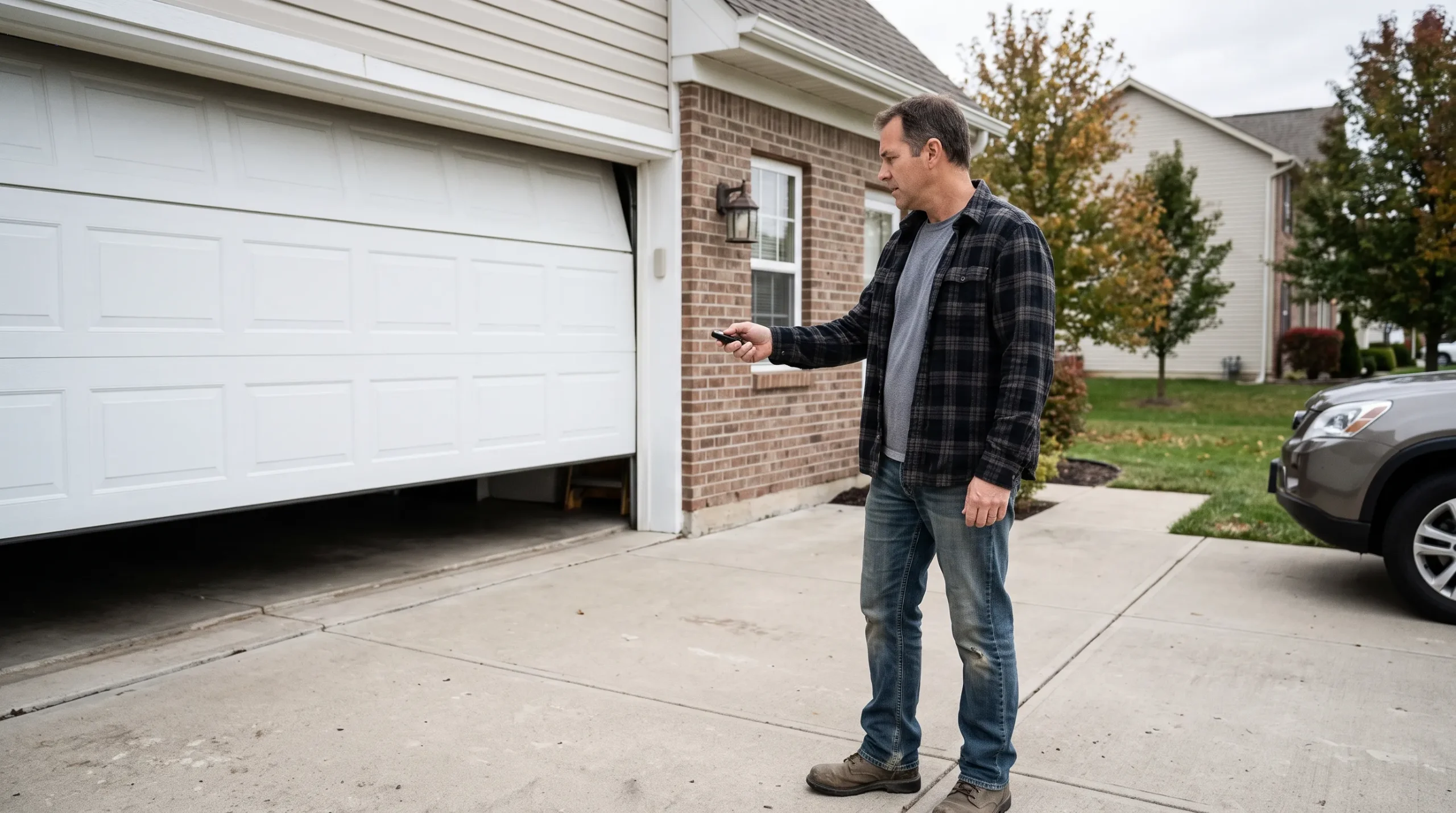
Five specific checks, run in order, identify which single component inside the opener system is causing the random activity.
|
Diagnostic Step |
What It Rules In or Out |
How to Test It |
|
Remote Test |
A stuck button or a vehicle-related trigger |
Remove the remote and monitor for repeat activity |
|
Wiring Check |
A short in the wall control circuit |
Disconnect the wall control wires temporarily |
|
Sensor Inspection |
A blocked or misaligned sensor |
Check lens condition and indicator light status |
|
Logic Board Reset |
Interference or a stored code conflict |
Clear all remote codes and reprogram from scratch |
|
Event Logging |
A pattern tied to time, weather, or activity |
Record the exact conditions of each occurrence |
The first two checks, the remote and the wiring, resolve the majority of these cases without needing to reach the logic board at all.
Testing the Remote Separately From the Vehicle
Isolating the remote from the vehicle is the fastest first check, since a stuck button often causes activity that appears random at first glance.
Run through these checks to confirm or rule out the remote:
- Removing the remote from the car stops the activity within a short window.
- The button itself feels sticky, stuck, or slow to release after pressing.
- Fresh batteries in the remote control make no difference to the pattern.
- The remote shows visible wear consistent with years of daily use.
- Activity resumes the moment the remote returns to the vehicle.
Confirming the remote as the source usually takes less than a single day of observation, since the pattern either stops or continues almost immediately.
Checking the Wall Control Wiring
Faulty wiring inside the wall control unit can send a false signal to the motor unit even when no one touches the wall button at all.
Test for the following before deciding wiring is the cause:
- Disconnecting the wall control wires stops the activity immediately.
- Loose connections are visible at the back of the motor unit.
- The wall panel shows cracking, exposed wiring, or visible age.
- Activity continues at random times with no consistent trigger.
- The affected wiring runs close to other electrical connections nearby.
Exposed or damaged wiring that poses a shock risk calls for garage door emergency service instead of a delayed appointment.
Inspecting the Safety Sensors
Blocked or misaligned safety sensors near the floor can trigger behavior that looks unrelated to the sensors themselves at first glance.
Work through this checklist at both sensor lenses:
- Dirt buildup or spider webs sit across either sensor lens.
- Indicator lights blink instead of holding a steady, solid glow.
- The two sensors sit at noticeably different heights from the floor.
- Direct sunlight hits one sensor at a specific point in the day.
- Garage door tracks near either sensor show a visible bend or shift.
To understand how this specific check fits into the full range of causes behind a self-opening door, read our guide on Why Does My Garage Door Open on Its Own?, which breaks down every mechanical and electrical trigger in detail.
Resetting the Logic Board and Remote Codes
Clearing the logic board memory and every stored remote code rules out interference or a conflicting paired device as the source of the problem.
Confirm the reset worked by checking for these results:
- Every remote code gets erased from the receiver memory completely.
- Only the household own remotes get reprogrammed afterward.
- Activity stops entirely once the reset and reprogramming finish.
- A repeat occurrence after reset points toward a deeper hardware issue.
- Error codes on the control panel clear following a successful reset.
To apply the specific fix tied to whichever cause this reset actually confirms, read our guide on What Are Common Fixes for a Self-Opening Garage Door?, which pairs each diagnostic result with its matching solution.
Logging the Timing and Conditions of Each Event
Recording the exact time, weather, and circumstances surrounding each occurrence often reveals a pattern that points directly to the cause.
Note these specific details alongside every occurrence:
- The specific time of day the activity took place.
- Weather conditions, including storms or extreme temperature changes.
- Any new electronic devices installed nearby around the same time.
- Whether the pattern lines up with a neighbor’s own opener activity.
- How frequently the activity happens across a given week.
Sharing this log with a garage door repair technician gives them a documented starting point instead of a vague description.
What Does the Diagnosis Reveal About the Next Step?
The outcome of these five checks determines whether a simple fix resolves the issue or whether a deeper problem requires professional attention.
A completed diagnosis typically points toward one of the following outcomes:
- A stuck remote or weak batteries usually means a quick, at-home fix.
- A confirmed wiring short often calls for professional repair to the wall control.
- Clean, aligned sensors that still cause issues point toward the logic board.
- Persistent activity after every reset often means the opener has reached the point of garage door replacement.
- No clear cause across all five checks warrants a full system inspection.
To weigh these outcomes against the point where a technician visit becomes worthwhile, read our guide on When to Call a Pro for a Self-Opening Garage Door, which lays out exactly which diagnostic results justify professional service.
Diagnosing a Self-Opening Garage Door Comes Down to a Clear Process
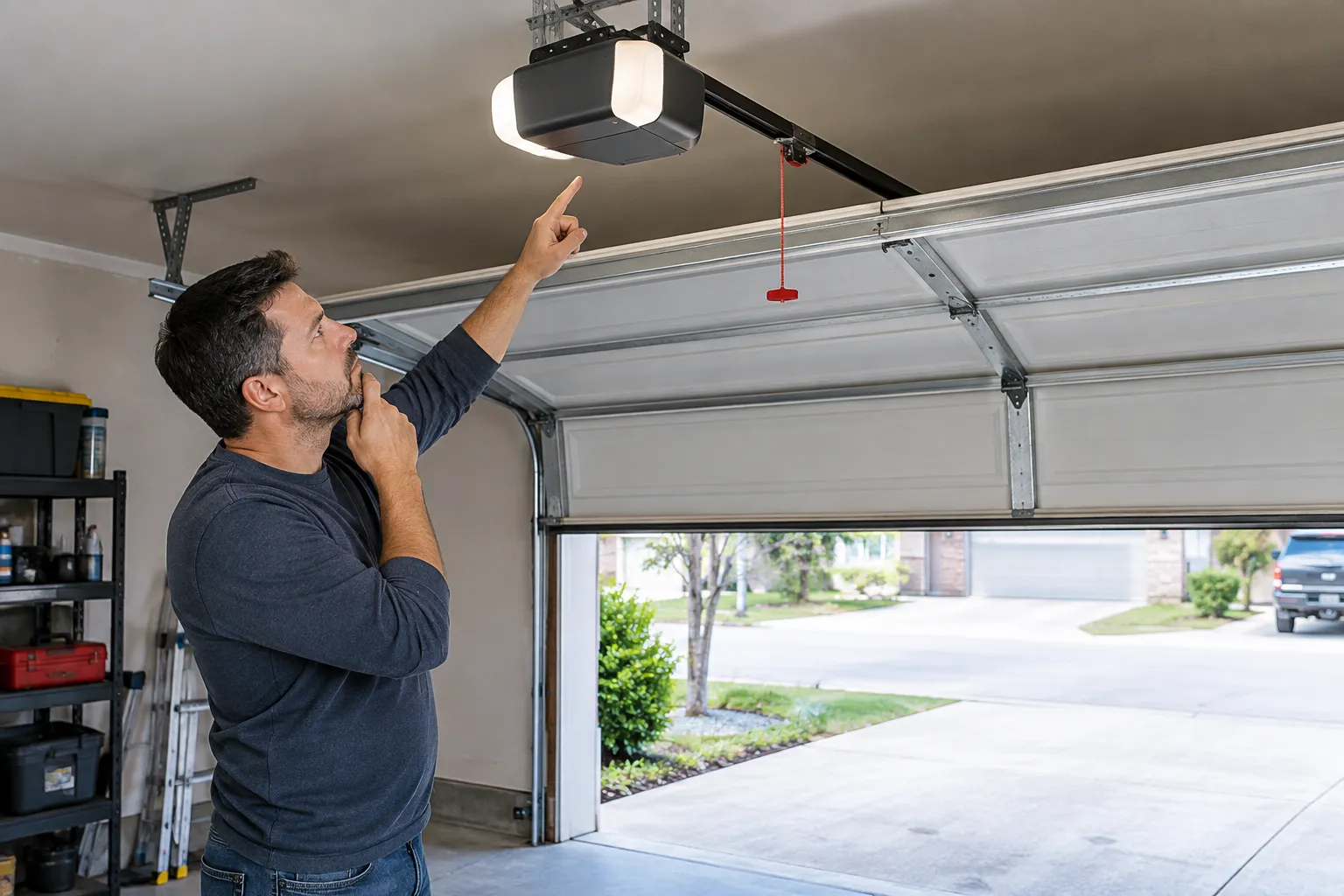
Checking the remote, the wiring, the sensors, and the logic board in order removes the guesswork behind a self-opening garage door. Most cases resolve once the actual cause gets confirmed through this exact sequence, without unnecessary part replacements along the way.
Brothers Garage Door Service LLC brings licensed diagnostic expertise to every self-opening garage door call across Livonia, confirming the actual cause before any repair begins. Contact us or give us a call today, and let our team pinpoint exactly what is triggering the unpredictable activity.