
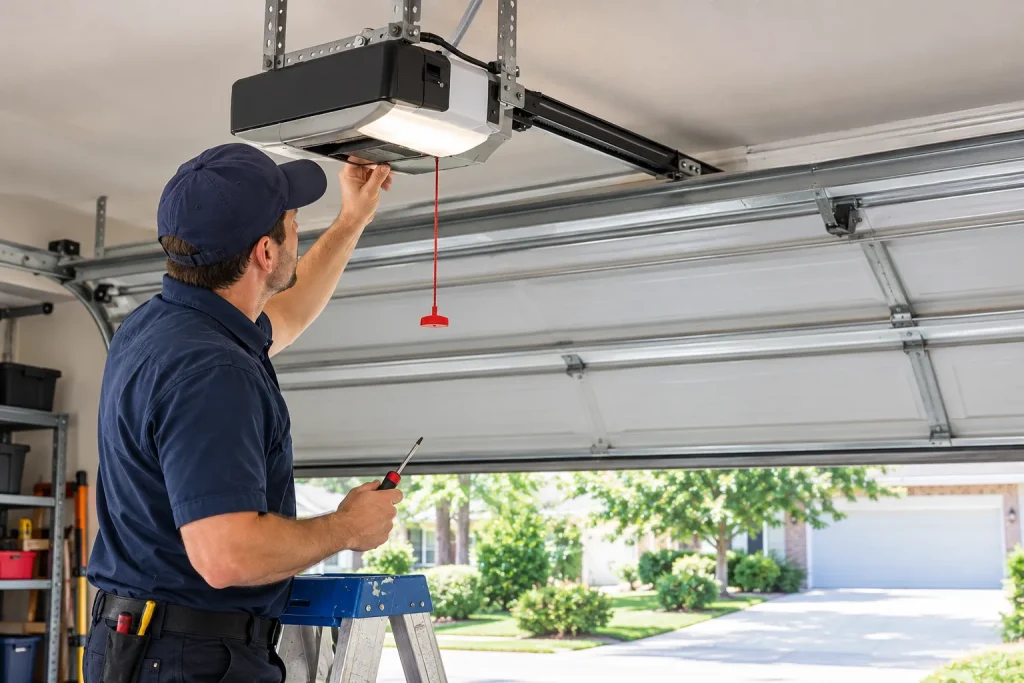
Direct fixes resolve most causes of a garage door that opens on its own, once diagnosis confirms the exact issue within the garage door opener system itself. Replacing worn batteries, cleaning sensors, and resetting the logic board together address most documented cases on their own.
Applying the right fix to the confirmed cause matters more than trying every fix at once, since an unrelated fix wastes time and money without resolving the underlying issue. This guide walks through the specific steps for each fix, in order, what each one is meant to resolve, and how to confirm it worked.
Key Takeaways
- Fresh batteries and clean contacts quickly resolve remote-related activity.
- Wall control wiring repairs stop signals tied to a wiring short.
- Sensor cleaning and realignment fix doors that reverse unexpectedly.
- Resetting the logic board clears interference from stored remote codes.
- Installing a surge protector prevents future power-related resets.
Fixes for a Garage Door That Opens by Itself
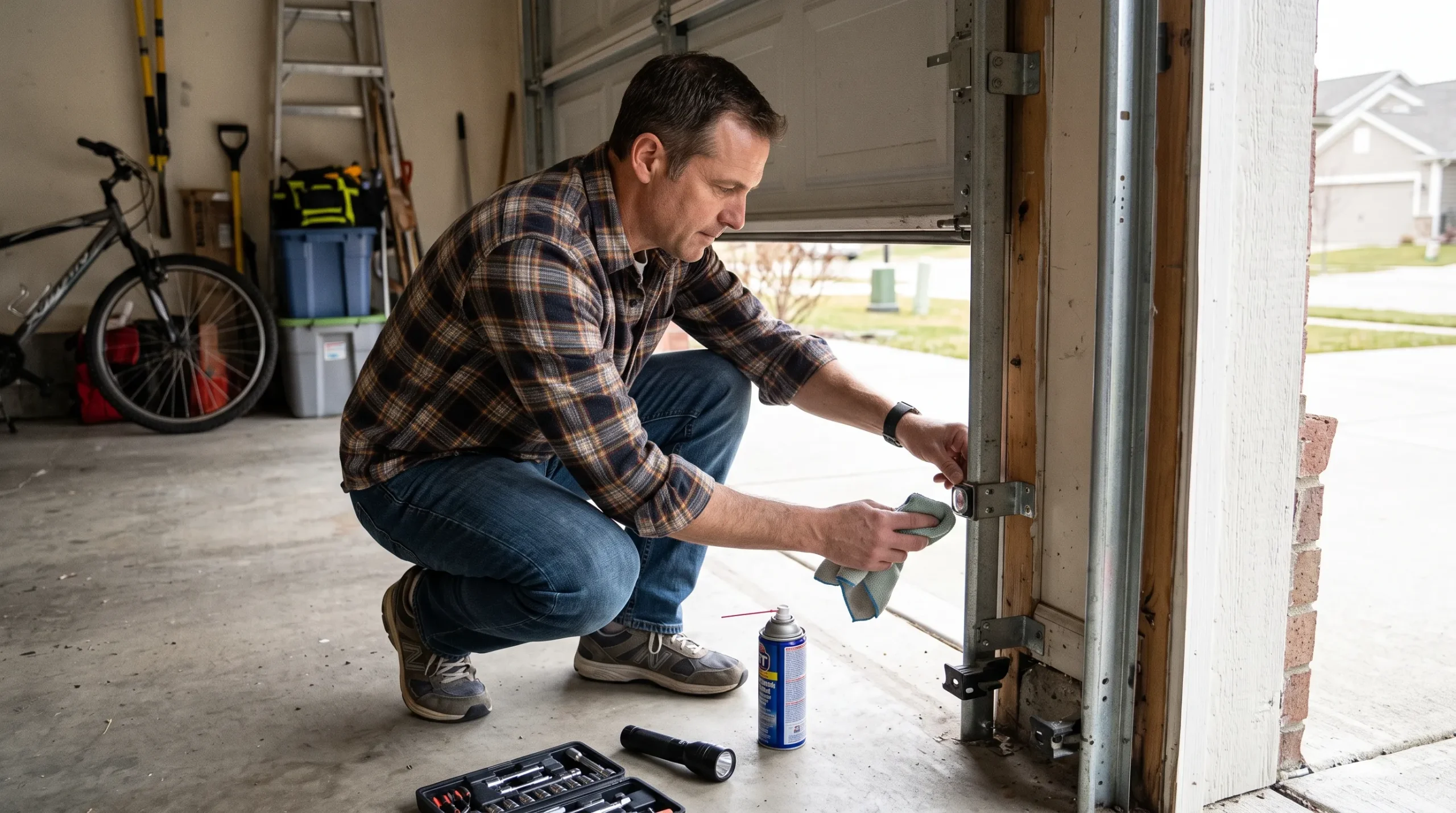
The correct repair depends entirely on which specific component diagnosis already identified as the actual source of the activity.
|
Fix |
What It Resolves |
How to Apply It |
|
Battery and Contact Cleaning |
A stuck or unresponsive remote |
Replace batteries and wipe down contacts |
|
Wiring Repair |
A short at the wall control |
Repair or replace damaged wiring |
|
Sensor Cleaning and Alignment |
Sensors triggering a false reversal |
Wipe lenses and adjust sensor height |
|
Logic Board Reset |
Interference or code conflicts |
Clear codes and reprogram remotes |
|
Surge Protector Installation |
Power-related resets |
Install protection at the power source |
A fix applied without confirming the actual cause first often costs more in wasted parts and repeat visits than the original problem itself.
Replacing Remote Batteries and Cleaning Contacts
A worn remote often responds again normally once fresh batteries and clean contacts remove the two most common points of failure.
Getting this fix right comes down to these specific steps:
- Remove the old batteries and confirm the contacts show no corrosion.
- Wipe down the contacts with a dry, soft cloth before reinserting batteries.
- Install a fresh, verified battery set rather than reused ones.
- Test the remote button away from the vehicle after replacement.
- Confirm the random activity stops within the following day.
Weak batteries account for a large share of remote-related cases, and this single fix alone resolves most of them without any further steps needed.
Repairing or Replacing Wall Control Wiring
Damaged or loose wiring at the wall control often requires a direct repair, since a temporary patch tends to fail again under normal use.
A wiring-related short calls for this specific sequence:
- Turn off power at the breaker before touching any exposed wiring.
- Replace any wire showing visible fraying, cracking, or exposed copper.
- Tighten any loose connections found at the motor terminal end.
- Reattach the wall control securely if the housing itself is cracked.
- Restore power and test the wall button to confirm normal operation.
To confirm this fix addresses the full range of causes behind unpredictable opener activity, read our guide on Why Does My Garage Door Open on Its Own, which breaks down every wiring-related trigger in detail.
Cleaning and Realigning Safety Sensors
Sensors reporting a false obstruction near the floor often return to normal function once you clean and properly align the lenses.
Both sensors need attention in this exact order:
- Wipe both sensor lenses clean using a dry, soft cloth.
- Check that both indicator lights glow steadily and solidly.
- Adjust sensor height until both units sit level with each other.
- Confirm no debris or garage door panels obstruct the sensor beam.
- Test the door through a full open-and-close cycle afterward.
Cleaning and realigning both sensors together resolves this issue in a large share of documented repair cases across most opener brands.
Resetting and Reprogramming the Logic Board
Clearing all stored remote codes from the logic board removes interference or conflicting devices from the system.
The reset process breaks down into these stages:
- Locate the logic board reset or “learn” button on the motor unit.
- Hold the button until the indicator light confirms a full reset.
- Reprogram only the household’s own remotes after the reset finishes.
- Test each remote individually to confirm it reprogrammed properly.
- Confirm no unfamiliar remote responds to the system afterward.
To identify which specific cause this reset is meant to address before applying it, read our guide on How to Diagnose Why a Garage Door Opens on Its Own, which walks through the exact test that confirms this fix is the right one.
Installing a Surge Protector
A surge protector installed at the opener power source prevents future power-related resets from triggering unexpected activity.
Proper installation depends on getting these details right:
- Select a surge protector rated for the opener power requirements.
- Install the protector directly at the outlet powering the motor unit.
- Confirm the connection is secure before restoring full power.
- Test the opener normally after installation to confirm proper function.
- Schedule garage door emergency service if you suspect wiring damage from a prior surge.
Installing this one part costs far less than the repeated resets and troubleshooting a single severe power event can cause.
When to Stop and Ask for Professional Help
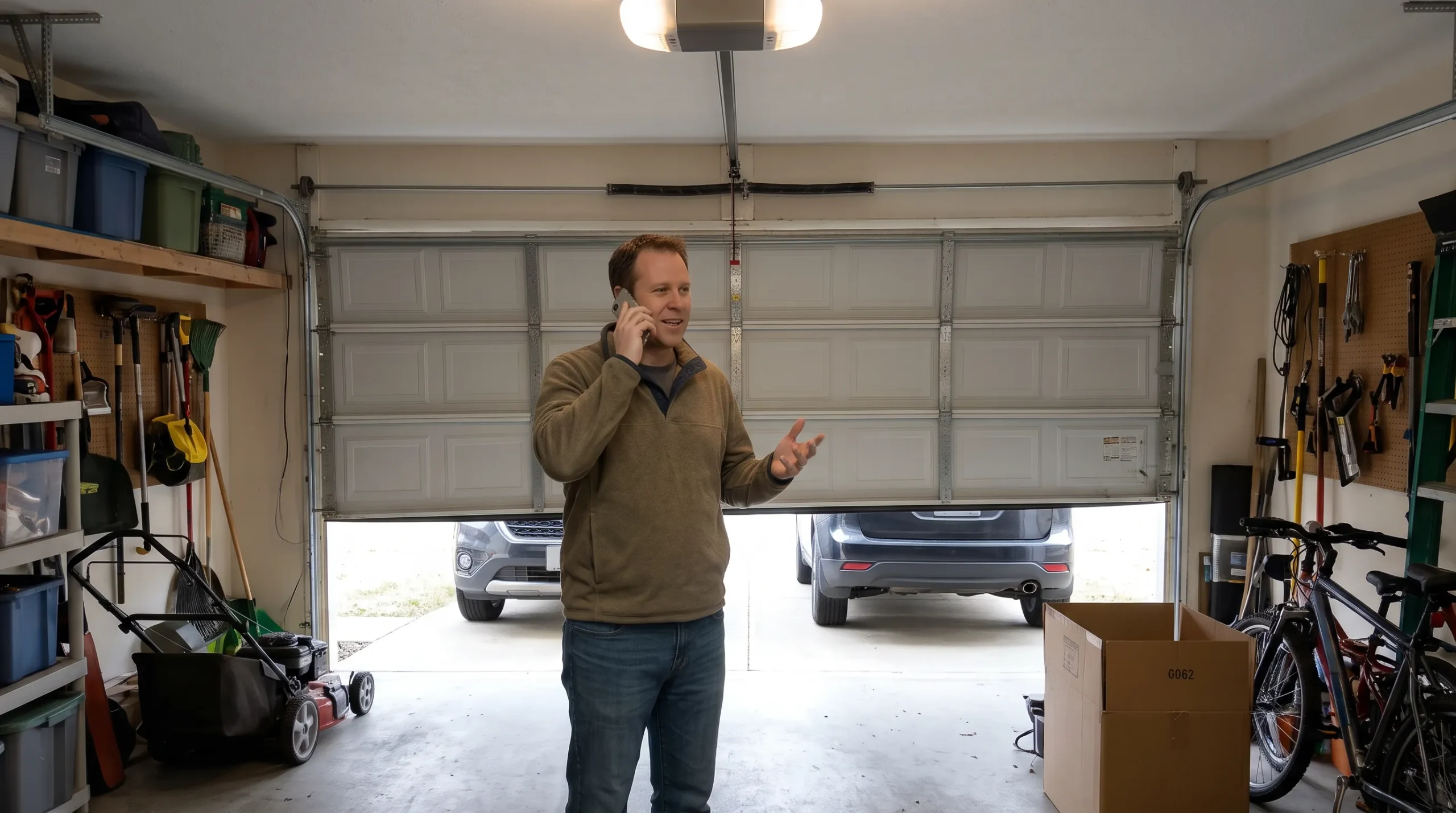
A fix applied correctly that still fails to resolve the activity usually points to a cause beyond what a straightforward garage door repair can address.
The following signs indicate it is time to stop troubleshooting:
- The activity continues after you’ve tried every fix above in order.
- A burning smell or visible damage appears near the control panel.
- Wiring issues extend beyond the wall control into the opener unit itself.
- Error codes persist on the panel even after a complete reset.
- Diagnosing the issue requires tools or access beyond a basic screwdriver.
To weigh these signs against the specific point where a technician visit becomes necessary, read our guide on When to Call a Pro for a Self-Opening Garage Door, which lays out exactly which signs call for immediate attention.
The Right Fix Depends on the Cause Already Confirmed
The correct fix, matched to a confirmed cause, resolves most self-opening cases without further repairs or repeated troubleshooting, especially once the source has been properly diagnosed. A fix applied before that confirmation step often wastes time and fails to address the underlying problem.
Brothers Garage Door Service LLC applies the correct repair for the confirmed cause on every service call across Livonia, backed by licensed technicians who document each step along the way. Contact us or give us a call today, and let our team confirm exactly which fix resolves the unpredictable activity for good.