
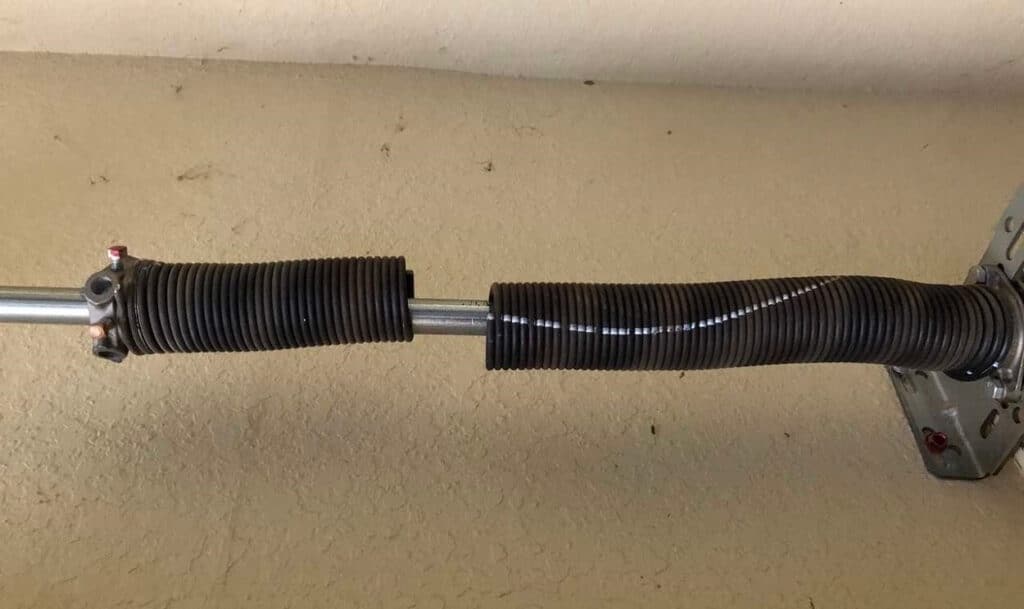
A broken spring can stop your garage door from working without warning, leaving you stuck and creating an immediate safety concern. Springs store the tension required to support the door’s weight, and when one snaps, the entire system becomes unstable. This is why quick attention and professional garage door repair matter. A door with a failed spring cannot open or close safely, and forcing it can cause further damage or serious injury. Understanding how important this problem is helps you protect both your home and the people who use the garage every day.
Having the spring repaired as soon as possible is essential to restoring safe, reliable operation. A trained technician can identify the exact cause, replace the damaged spring, and ensure the rest of the system is functioning as intended. This type of repair doesn’t just bring convenience back to your routine. It also gives you confidence that your garage door will move smoothly and safely, reducing the risk of sudden failure in the future.
Understanding the Role of Garage Door Springs
Garage door springs play one of the most critical roles in the entire door system. They store and release the force required to lift the heavy panels, allowing the door to move smoothly with minimal effort from the opener. Without properly working springs, the opener would struggle to raise the door and could burn out quickly. The door might also move unevenly or fail to open at all. When the springs are in good condition, the whole system works as intended, delivering reliable performance every time you use the garage.
If a spring breaks, the door loses the support it depends on, and all the weight shifts to parts that were never designed to handle it. This puts the door at risk of slamming shut or becoming stuck in a dangerous position. The extra strain can also damage cables, rollers, and the opener. A broken spring is more than an inconvenience; it can lead to injuries and costly repairs if not addressed promptly. Proper spring maintenance and timely service help keep the entire garage door system safe and in good condition, preventing expensive repairs over time.
Learn the earliest warning signs of a failing garage door spring and why timely repair is essential for safe system performance by reading: Broken Garage Door Spring Symptoms You Should Never Ignore—and How Experts Fix Them.
What Makes Springs Essential for Garage Door Operation
The garage door springs help your door open and close smoothly by doing most of the heavy lifting each time it moves. They are carefully matched to your door’s weight, allowing the garage door opener to guide the door along the track rather than straining to lift its full weight. This is why even large, heavy garage doors feel easy to operate when the springs are in good condition.
When a spring breaks, the system’s balance is lost, and the extra weight places significant pressure on the opener, cables, and other supporting components. Continuing to use the door in this condition can lead to serious issues, including damaged panels or a complete door collapse. Choosing the right replacement spring is important, so it helps to have someone who understands how these systems work. A trained professional will assess your door’s size, weight, and track setup to determine the appropriate spring and ensure safe, reliable operation.
Find out why attempting to fix a broken garage door spring on your own can result in severe injuries, further damage, and costly setbacks by reading: Why Tackling a Broken Garage Door Spring Yourself Can Lead to Serious Safety Risks.
Signs Your Garage Door Spring May Be Broken
You can usually tell when a garage door spring breaks because the signs are hard to miss. Many homeowners hear a loud bang when the spring snaps because the sudden release of tension creates a sharp sound. After that, you may notice the door struggling to move, opening only a few inches, or not moving at all. The door may appear uneven, feel heavy, or stop halfway through its travel. These changes are clear warnings that something in the system is no longer functioning as intended.
Recognising these signs early helps you avoid using the door and protects you from potential injury. A broken spring makes the entire system unsafe, so knowing what to look and listen for is essential. The next sections explain the most common visual cues and warning sounds that indicate a spring failure. Once you spot any of these signs, contacting a trained professional is the safest way to address issues with garage door springs.
See what distinguishes expert garage door spring repair from DIY fixes, including precision work, proper tools, and long-term system reliability, by reading: What Truly Sets Professional Broken Garage Door Spring Repair Apart from DIY Attempts.
Visual and Functional Clues to Watch For
You can often spot a damaged garage door spring just by looking at the door, even if you are not familiar with how the system works. One of the easiest signs to notice is a visible gap in the spring. With a torsion spring, this gap usually appears as a clean break in the coils, often a few inches wide, showing where the spring snapped under tension. When a spring fails in this way, the entire system may stop working as intended, and the door may become unsafe to use.
Another clear sign appears when you try to lift the door by hand. If it feels unusually heavy, the springs are no longer supporting the weight. You might also notice the door tilting to one side or see loose cables hanging near the tracks. In some cases, a cable may even slip off its pulley. Each of these signs indicates that the system is out of balance and requires prompt attention from a trained professional.
Be sure to watch out for these warning signs:
- An apparent gap in the torsion spring above your garage door.
- The garage door is unusually difficult to lift by hand.
- The door slams shut when you close it, rather than opening smoothly.
- Cables and pulleys on the side of the door appear loose or misaligned.
- The top section of the garage door appears bent or broken due to excessive strain.
For expert guidance on maintaining compliant and safe garage door operators, review the standards provided by the Federal Register.
Warning Sounds and Movements That Signal Trouble
The most common sign that a garage door spring has broken is a loud bang in the garage or around your home. This noise occurs when the spring breaks, releasing a large amount of stored energy all at once. Many people think it sounds like a gunshot or something considerable falling. That noise indicates the garage door spring has broken, and you need to fix it promptly.
Sometimes, you might notice sounds before the spring break. There can be grinding or squeaking noises when you use the garage door. These sounds indicate the springs may be weakening. The heavy door may be hard for them to lift. If you hear anything strange, you should look at the garage door from a safe distance. Minor signs of wear and tear may not be readily apparent unless your garage door is maintained regularly.
Listen for these warnings:
- A sudden, very loud bang came from the garage.
- Squealing or groaning sounds as the door moves.
- The garage door opener motor is straining to lift the door.
- The door is moving in a jerky or uneven manner.
For expert guidance on understanding the safety requirements of residential garage door operators and the dangers of DIY spring repairs, review the resources provided by the U.S. Consumer Product Safety Commission.

Immediate Dangers of a Broken Garage Door Spring
When a garage door spring breaks, it can be hazardous. There is a significant risk of injury to people nearby. The garage door loses its main support. It may drop down fast and can cause severe injuries. It could crush people or things under it.
If you try to open or close the door, you might make things worse. You can break the tracks, panels, or even the opener motor. You need to be aware of these risks. This will help you stay safe and treat the problem with care.
When the garage door spring breaks, the risk of injury goes up. The situation can quickly cause severe injuries or lead to other damage.
The Risk of Serious Injury or Damage
The tension in the garage door springs is extreme. That is what makes garage door springs dangerous when they break or when people treat them improperly. If a spring breaks, the garage door can close with significant force. This can injure people or objects beneath the door, as the door’s weight can crush them.
Attempting to repair garage door springs without proper knowledge can be very risky. Releasing the tension too quickly can cause parts to fly out at high speed, posing serious hazards to anyone nearby.
If you mishandle the fix, it could affect the entire door system. Improperly installed springs can damage garage door panels, bend tracks, or damage the opener. Repairing this damage could cost more than the initial garage door issue.
Why Operating Your Garage Door Is Unsafe After a Spring Failure
If you continue to use your automatic garage door opener after a spring breaks, you put yourself and your property at risk. The garage door opener is made to move a balanced door. If the spring is broken, the opener has to lift the full weight of the door, which can be hundreds of pounds. This much strain on the motor can cause it to burn out quickly, requiring an expensive garage door opener repair.
Even when the opener lifts the door, it will not move smoothly if broken garage door springs are involved. The door may move up and down erratically, causing uneven motion that strains other components, including the tracks and any replacement garage door cable parts. This added stress can cause the door to slip off its tracks or force one of the cables to snap. Situations like this cause further damage and create a much more dangerous situation for anyone using the garage.
For your safety, use the red emergency release cord immediately to disconnect the opener. Do not try to use the garage door again until a professional has fixed it.
Why DIY Garage Door Spring Repair Is Not Recommended
Fixing a garage door spring is not a job for just anyone. The tension in these springs makes it very dangerous. Someone must do a garage door spring repair with the proper training and years of experience. These experts have learned to perform the work safely and know the best way to repair these components.
If you try this yourself without the right tools or without understanding how it works, you could be injured. You might also damage the garage door further. Let a trained technician do it, so you don’t make things worse. The following sections outline the tools required for good service and why knowledge is also key.
Critical Tools Homeowners Usually Don’t Have
Professional garage door spring repair services use tools that most homeowners do not have. They do this because the job requires specialized equipment to be done right and keep everyone safe. One of the most essential tools is winding bars. These tools help add and release strong tension from garage door torsion springs. Using a pry bar, screwdrivers, or the wrong tool can be dangerous. The spring could snap out and harm someone.
In addition to winding bars, spring repair services use tension gauges, cable-pulling tools, and heavy-duty clamps. These tools help hold the door and handle its parts safely. The technicians can also access a wide range of spring types and sizes for garage doors. This helps them find the right part for your door’s weight. That way, your garage door operates smoothly and remains balanced over time.
Key tools that you probably do not have at home include:
- A pair of strong steel winding bars with the correct size and length.
- Strong locking pliers or C-clamps to keep the torsion tube in place.
- Tension gauges to verify that the spring is wound to the specified tension.
Reliable Garage Door Repair
Garage door springs are critical to keeping your garage door operating safely and smoothly. They carry the tension required to lift and balance the door’s weight, allowing it to open and close with ease. When these springs fail, the entire system becomes unstable, and the door can no longer move as intended.
A broken spring is more than a simple inconvenience. It exposes the door to sudden drops or uneven movement, creating a dangerous situation for anyone nearby. The added strain on other parts of the system can also lead to further damage. Understanding the importance of these springs helps you see why prompt, professional repair is essential to keeping your home and family safe.
Brothers Garage Door Service delivers dependable, full-scope garage door solutions through a wide range of repair, maintenance, replacement, and installation services. We address broken springs, faulty openers, worn parts, and system failures with precise, quality-driven workmanship. Our technicians also manage complete installations, modern upgrades, wall consoles, remotes, and safety accessories for any door type or brand. Few providers match the breadth of our capabilities, and our technical expertise ensures your garage door receives the highest level of care.
Contact us today or give us a call for expert garage door care supported by comprehensive service and proven reliability.
Frequently Asked Questions