
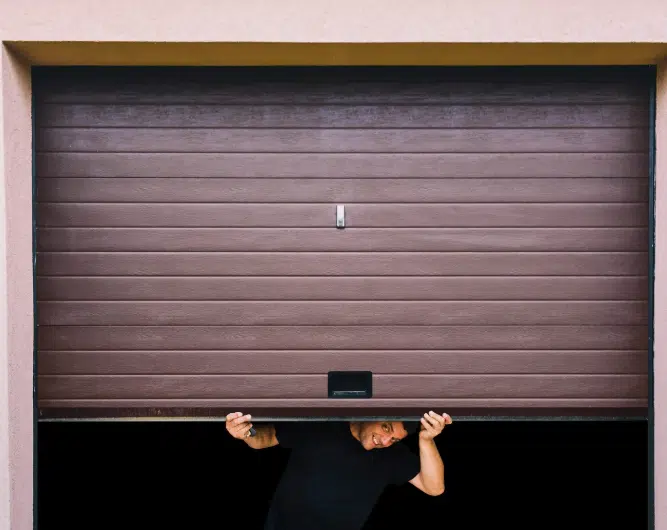
A garage door stops halfway when the lift system or the opener detects resistance, loses counterbalance support, or hits a travel setting that interrupts the cycle. Because the door is heavy and operates under high tension, this symptom can point to a safety hazard that may require garage door repair to prevent sudden movement or added strain.
For homeowners in Livonia, MI, temperature swings and daily cycling can accelerate the wear on springs, cables, rollers, tracks, and safety sensors. This guide explains the safety risks behind a halfway stop, the warning signs that matter most, and the next steps to restore smooth operation and protect your home’s security.
Can a Halfway-Stopping Garage Door Create a Serious Safety Risk?
A halfway stop often means the system is reacting to load imbalance, track resistance, or a safety trigger, and treating it like a minor hiccup can turn a controlled stop into a bigger safety hazard.
Common reasons a door stalls mid-cycle include:
- Counterbalance support changes that shift spring tension and door weight.
- Rollers, hinges, or track sections are binding and interrupting smooth operation.
- Safety sensors or travel limits stop movement to reduce risk.
- The garage door opener detects resistance and halts the cycle to protect the opener motor.
- Signs of wear in lift hardware that increase strain and lead to future issues.
To understand how these warning signs connect to the bigger issue, read our guide on Garage Door Stops Halfway: Causes, Safety Concerns, and Next Steps, which explains what Livonia, MI, homeowners should treat as urgent.
Key Factors That Make a Halfway-Stopping Garage Door Dangerous
Sudden Door Drop Risk From Counterbalance Failure
A garage door that stops mid-travel can signal weakening spring tension or cable imbalance, conditions that may allow gravity to overpower the lift system without warning.
Red flags that often signal a drop risk include:
- One side of the door lifts higher than the other during travel.
- A visible separation or gap in the torsion spring above the header.
- Lift cables showing slack, uneven wrap, or drift near the drums.
- The door feels heavy or resists lift when it pauses mid-cycle.
- Jerky upward motion that gets worse near the halfway point.
Safety standards for automatic residential garage door operators are outlined in the Federal Register, which explains key requirements related to operator performance and injury risk reduction.
Entanglement and Pinch-Point Exposure Near Rollers and Hinges
When a garage door stops halfway, exposed hinges, rollers, and panel joints remain under load, increasing the chance of hand or finger entrapment if movement restarts suddenly.
High-risk pinch areas and movement hazards commonly involve:
- Hinge joints compress as door sections fold and stack.
- Roller stems are shifting inside the track, where fingers can get caught.
- Panel seams create tight gaps when the door stalls under load.
- Lift cables running close to the track edge where snagging can occur.
- End brackets flexing slightly while hardware remains under tension.
Pinch-point injuries often occur during unexpected changes in travel, so maintaining distance from moving joints remains the safest response until the system is professionally inspected.
Opener Overload and Gear Damage From Repeated Stall Events
Repeated cycling after a garage door stops halfway places excessive strain on the opener motor and drive assembly, which can accelerate garage door opener problems and shorten equipment lifespan.
Common overload symptoms tied to opener strain include:
- A humming opener motor with little or no door lift.
- Short bursts of movement followed by another mid-cycle stop.
- Opener lights flashing after failed attempts to complete travel.
- Heat buildup or a burning odor near the opener housing.
- Delayed response from the wall switch or remote control.
Clopay explains that resetting a garage door opener can be part of troubleshooting after power outages or control changes, helping clarify when repeated stalls point to deeper door opener issues that require expert service.
Cable Slip, Drum Issues, and Uneven Lift Hazards
A halfway-stopping garage door can indicate that the lift cables are slipping off the drums or losing equal tension, which can cause unstable door movement and increase the risk of twisting or a sudden drop.
Indicators of cable and drum instability often include:
- One cable appears tighter, while the other shows slack.
- Frayed cable strands near the bottom bracket or track area.
- A tilted door position that worsens as the door rises.
- Snapping or popping sounds near the torsion tube during movement.
- Cable wraps are stacking unevenly or shifting across the grooves on the drum.
When instability appears along the lift path, damaged or misaligned garage door cables are often the underlying cause, since uneven tension can quickly turn a halfway stop into a dangerous shift or drop.
Track Binding That Can Twist Panels or Pull Hardware Loose
Binding inside vertical or horizontal tracks can disrupt smooth operation and force the door to stop under pressure, potentially twisting panels and pulling mounting hardware out of alignment.
Track-related binding triggers and damage signs often include:
- Track edges showing dents, bends, or warped sections near rollers.
- Dirt, stones, or hardened buildup inside the track channel.
- Loose track brackets that allow the rail to vibrate or shift.
- Dry rollers and friction points caused by a lack of lubrication.
- Misaligned track joints that pinch rollers during upward travel.
Track resistance can place uneven pressure on garage door panels, and continued binding may lead to warping or structural separation, affecting long-term alignment.
Auto-Reverse Events That Create Unpredictable Door Movement
Auto-reverse behavior can occur when sensors or travel settings detect resistance or false obstructions, causing unpredictable motion that can surprise homeowners near the opening.
Common triggers that cause mid-cycle reversal events include:
- Misalignment of safety sensors that breaks the beam unexpectedly.
- Dusty sensor lenses weaken signal strength and accuracy.
- Signal interference from nearby devices is affecting the sensor path.
- Incorrect limit settings prevent the opener from reaching full travel.
- Force settings react too quickly to minor resistance along the lift path.
Chamberlain Group outlines how to test the safety reversal system to determine whether mid-cycle reversals are due to sensors, limit settings, or a larger issue requiring professional service.
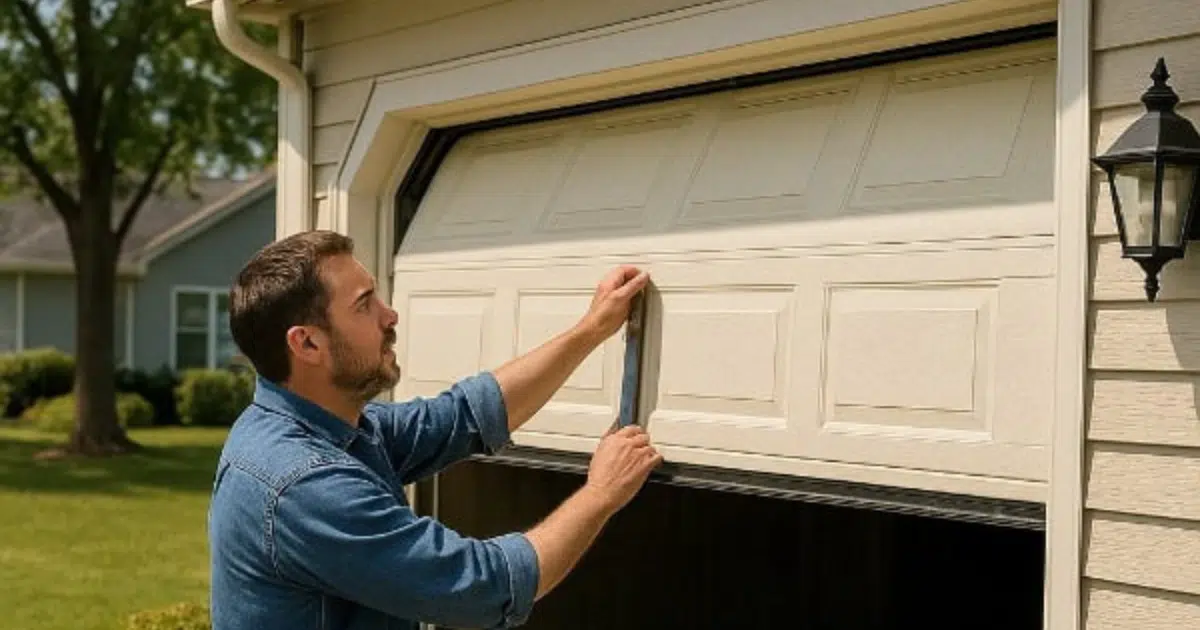
Safety Concerns When a Garage Door Stops Halfway Up
A garage door that stops halfway up can increase safety and security risks until the system is inspected.
Safety concerns to keep in mind include:
- Sudden drop in potential if the spring tension is weak or cables slip on the drums.
- Pinch-point exposure near hinges, rollers, and track edges during unexpected movement.
- Motor strain can worsen garage door opener issues after repeated stalls.
- Reduced the home’s security when the opening remains partially accessible.
Treat the halfway position as a safety hazard and limit operations until a professional confirms stable balance and a reliable safety response.
Common Signs the Issue Is Urgent, Not Just Inconvenient
When a garage door stops mid-cycle, certain warning signs suggest more than minor issues and indicate a safety hazard that can lead to further damage without professional help.
Common urgent signs include:
- Crooked travel where one side rises faster, or the door hangs unevenly.
- Unusual noises such as grinding, popping, or sharp snaps near the header.
- Heat buildup, a burning smell, or the circuit breaker tripping after short cycles.
- Visible signs of wear, like frayed cables, loose brackets, cracked rollers, or bent track sections.
Any of these signs points to common garage door problems that deserve prompt expert service to restore proper operation and protect the home’s security.
Why a Garage Door Stops and Reverses Mid-Cycle
A garage door that stops and reverses mid-cycle usually means the system detected resistance or a safety trigger, and repeated cycles can increase strain on the mechanical system and the garage door opener.
Common causes include:
- Safety sensors are losing alignment or having dirty sensor lenses that interrupt the beam.
- Signal interference from nearby devices that disrupts sensor or remote control communication.
- Incorrect limit settings that make the opener stop before full travel.
- Force settings are reacting too aggressively to minor resistance in the lift path.
- Door opener issues such as binding rollers, track friction, or an imbalance in spring tension.
Mid-cycle reversal is one of the most common garage door opener issues, so professional help is the safest next step to prevent further damage and restore smooth operation.
What’s Usually Behind the Problem Without DIY Fixes
A garage door that stalls partway often stems from issues with the lift hardware, travel control, or power supply, and avoiding DIY fixes helps reduce the risk of a bigger safety hazard.
Problems professionals commonly find include:
- Spring tension loss that removes lift support and increases strain during travel.
- Track misalignment or roller wear that creates resistance and uneven door movement.
- Garage door opener problems, such as a stressed opener motor or worn drive components.
- Power source interruptions caused by a tripped circuit breaker or an unstable power supply.
- Opener settings issues involving limit settings, force settings, or faulty sensors.
If repeated stall events reveal structural fatigue or severe hardware wear, a full garage door replacement may be recommended to restore proper balance and long-term reliability.
What to Do Next When the Garage Door Opens Halfway Then Stops
When the garage door opens halfway, then stops, the safest next step is to limit operation, note the most useful symptoms, and arrange professional help before a small mechanical issue becomes more serious.
Next steps that support a safe service call include:
- Stop repeated cycling to reduce strain on the opener motor and drive system.
- Check whether the wall switch and remote control respond consistently.
- Note any unusual noises, jerky door movement, or crooked travel during the stop.
- Observe whether safety sensors are aligned and whether sensor lenses need cleaning with a soft cloth.
- Confirm the power supply is stable and the circuit breaker has not tripped.
- Avoid pulling the release cord if the door looks heavy or unstable due to high-tension hardware.
To match your observations to the most important service checks, read our guide on What to Check When a Garage Door Stops Halfway, which explains what to note before scheduling service in Livonia, MI.
When to Call a Professional in Livonia, MI for a Garage Door That Stops Halfway
When a garage door stops halfway in Livonia, MI, professional help is the safest option when the stop repeats, the door looks unstable, or safety systems and the opener’s performance suggest a mechanical issue that could become a safety hazard.
Situations that warrant professional help include:
- The door hangs crooked, jerks, or shows uneven movement.
- Unusual noises, such as grinding, snapping, or loud popping, occur.
- The door feels heavy or shows spring-tension imbalance, indicating a high tension risk.
- Safety sensors act inconsistently, or the opener stops and reverses without a clear obstruction.
- The garage door opener fails to complete travel or trips the circuit breaker.
To see how technicians resolve the most common issues in Livonia, MI, read our guide on How to Fix a Garage Door That Stops Halfway in Livonia, MI, which outlines the inspection process and service steps for smooth operation.
Restore Safe Operation When Your Garage Door Stops Halfway in Livonia, MI
A garage door stops halfway when the lift system or garage door opener cannot complete a safe cycle, and ignoring the warning can increase the risk of further damage and a serious safety hazard. Fast attention helps protect the home’s security, restore smooth operation, and reduce repeat failures linked to common garage door problems.
Brothers Garage Door Service supports homeowners in Livonia, MI, with expert garage door repair, garage door opener repair, and garage door installation when needed. We focus on accurate diagnosis of common garage door opener issues and durable repairs that restore the system to proper operation. Contact us or give us a call today to schedule service and get dependable help fast.