
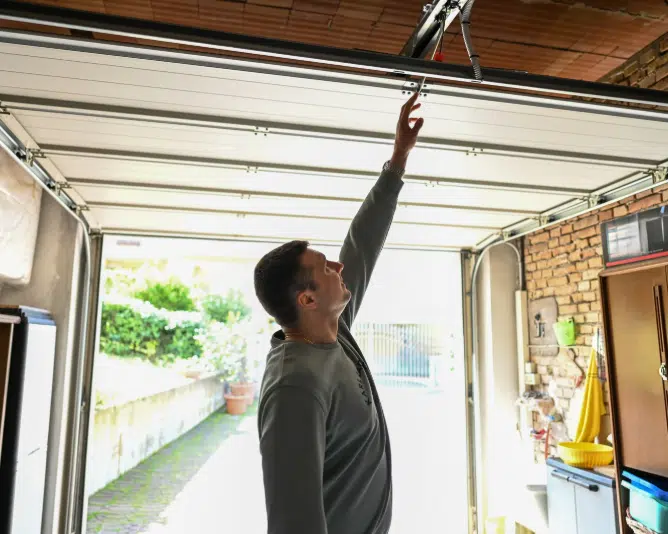
When a garage door stops halfway, it usually points to resistance in the lift path, an imbalance in the counterbalance system, or a safety-related interruption that prevents a full cycle. If the problem repeats, it often signals a developing condition that may require garage door repair to restore safe, consistent performance.
In Livonia, MI, temperature swings, moisture, and daily cycling can increase strain on springs, cables, tracks, and the garage door opener, making midway stoppages more likely over time. In this guide, you will learn what professionals check first, how symptoms connect to likely causes, and when to move forward with service before the issue leads to further damage.
Why Does a Garage Door Stop Mid-Cycle in the First Place?
A stop mid-cycle usually means the system is reacting to abnormal resistance, a safety input, or a load imbalance that makes continued travel unsafe, and this protective shutdown can happen even when the door and opener still appear to be working normally.
Common reasons a garage door stops halfway include:
- Safety sensors detect an obstruction or misalignment and pause the cycle to reduce risk.
- Spring tension no longer balances the door’s weight, causing the lift hardware to overload and altering the door’s movement.
- Track or roller binding that creates friction spikes, disrupting smooth operation.
- Opener settings, such as limit and force settings, no longer align with the door’s travel needs.
- Power supply issues, such as weak batteries, signal interference, or an unstable circuit breaker, disrupt reliable operation.
To see how these stop signals connect to safety risks and service timing, read our blog on Garage Door Stops Halfway: Causes, Safety Concerns, and Next Steps, which explains the failure points that most often trigger mid-cycle shutdowns.
Key Factors to Check When the Door Stops Midway
Photo Eye Sensors and Safety Beam Alignment
Photoelectric safety sensors protect the opening by stopping the closing cycle if the beam is blocked or alignment is unstable, and small bracket movement can interrupt normal travel.
Sensor-related interruption patterns often include:
- One sensor LED stays steady while the other flickers, dims, or turns off
- Closing starts, then the door pauses or reverses close to the floor
- Sunlight glare triggers inconsistent operation at specific times of day
- Vibration during travel shifts the sensor brackets just enough to break the beam
- Dirt on sensor lenses weakens beam strength and causes false interruptions
Chamberlain Group explains how to identify sending and receiving sensors and interpret LED behavior, so alignment-related shutdowns can be separated from wiring or power issues.
Travel Limits and Force Settings
Travel control uses limit and force settings to define end points and resistance thresholds, and a mismatched calibration can stop the cycle early, even when the hardware is still intact.
Limit-and-force trouble typically shows up as:
- The door stops at nearly the same height on repeated open or closed cycles
- The opener strains briefly and then shuts down to prevent overload
- One direction works normally, while the opposite direction fails mid-cycle
- The system learns a shorter travel range after repeated resistance events
- Opener settings no longer match the door’s weight or lift-path friction
Repeat stopping points tied to travel control require a technician to confirm whether resistance is real or the calibration is misreading operating conditions.
Track Alignment, Obstructions, and Binding Along the Lift Path
Track alignment issues create friction where rollers should glide freely, and a single tight point can stop the door from moving at that spot during every cycle.
Track-related red flags commonly include:
- Rub marks on the vertical track where rollers pinch or scrape
- A consistent slowdown at one point before the door stops
- Loose fasteners that let the track angle shift under load
- Debris buildup in corners where rollers change direction
- Visible misalignment where track sections meet or overlap at a joint
Lift-path binding can overload the opener drive, turning minor alignment problems into larger garage door issues that require repair.
Roller Wear, Hinge Play, and Door Section Movement
Worn rollers and loose hinges change panel alignment through the track, and uneven section movement can increase resistance until the opener stops to protect the system.
Hardware wear most often appears as:
- Hinges that wobble and let door sections twist during travel
- Rollers that rattle, stick, or track unevenly under load
- Uneven gaps between door sections that widen as the door rises
- Side-to-side sway that worsens near the halfway point
- Grinding or squeaking, unusual noises that grow louder over time
Visible signs of wear in rollers, hinges, or sections often explain mid-cycle resistance and point to a hardware inspection as the safest next step.
Spring Balance and Counterbalance System Condition
The counterbalance system relies on spring tension to offset the door weight, and an imbalance can stall mid-travel because the opener is forced to lift more weight than it can safely handle.
Balance problems often show up as:
- The door feels heavier than normal during manual handling
- The opener runs, but the door struggles around mid-travel
- Movement turns jerky as the load shifts across the lift system
- A partial lift occurs, and the cycle stops to prevent overload
- Cable tension looks uneven as the weight transfers side to side
Counterbalance imbalance overloads the opener and lift hardware, and in many mid-cycle shutdown cases, broken garage door springs are the underlying cause.
Lift Cables, Drums, and Cable Tension Consistency
Lift cables wrap around drums to raise the door evenly, and uneven tension or miswrapping can stop the system when one side reaches a bind point before the other.
Cable-and-drum trouble usually looks like:
- One side rises faster, creating a tilt during opening
- The door shifts sideways and jams partway through travel
- Cable slack appears near one track while the opposite side stays taut
- Drum grooves show uneven winding marks or shifting wrap patterns
- The door stops mid-cycle as the load transfers and binds at the drums
Uneven tension shifts the door off balance during travel, with worn or misaligned garage door cables frequently responsible for halfway stoppages.
Opener Rail, Trolley, and Carriage Engagement
The rail and trolley guide pulling force from the opener, and binding along the rail or carriage wear can cause mid-cycle stoppages even while the motor continues running.
Rail-and-trolley symptoms often include:
- A brief catch sensation followed by a stop at the same point
- Clicking near the trolley as the carriage loads and unloads
- Rail vibration that increases as the door approaches mid-travel
- A slack or mis-seated release cord that affects engagement
- A motor sound change that signals rising resistance under load
Travel interruption often originates within garage door opener systems when rail friction or trolley binding prevents the cycle from completing.
Door Weight Changes From Weather, Material Shift, or Added Load
Door weight can shift with swelling materials, added insulation, or seasonal friction changes, and the opener may stop mid-cycle to prevent overload during high-resistance travel.
Weather-linked patterns often correlate with:
- Mid-cycle stopping that starts during humid weeks or cold snaps
- Slower travel after heavy rain or rapid temperature swings
- Added drag near the floor seal or between door sections
- Different behavior in the morning versus late afternoon
- Increased strain that exposes borderline parts not in good condition
Seasonal load shifts often reveal developing wear in the lift system, so a service evaluation confirms whether the door remains balanced for proper operation.
Power Supply, Logic Board Inputs, and Intermittent Electrical Faults
Electrical stability affects consistent cycling because weak power supply flow or intermittent inputs can interrupt operation, and voltage drops or misfires can stop the system mid-travel.
Electrical and control interruptions often present as:
- The opener stops mid-cycle, and lights flash in a repeating pattern
- The wall switch responds differently from the remote control
- Dead batteries or weak batteries reduce command reliability
- A tripped circuit breaker resets the opener unexpectedly
- Signal interference from nearby devices causes random stoppages
According to Chamberlain Group, repeating LED flash patterns near the Learn button correspond to diagnostic codes that help identify specific garage door opener problems before scheduling a service call.
Symptoms That Reveal Where the Problem Is Coming From
Stopping patterns, sound changes, and control inconsistencies often reveal whether resistance is coming from the lift system, electrical input, or the garage door opener.
Key symptoms that narrow the cause include:
- The door stops at the same height each cycle, which often signals a track bind or travel limit issue
- The door stops at random points, which commonly suggests power supply instability or signal interference
- Jerky movement or slowing before the stop, which typically indicates friction or mechanical strain
- Unusual noises like humming, clicking, or grinding near mid-travel
- Flashing opener lights during the stop, pointing to the sensor or diagnostic feedback
- The wall switch works, but the remote control does not, which may relate to weak batteries or communication problems
Clear symptom patterns help direct the inspection process and reduce unnecessary repairs by focusing on the most likely failure zone first.
Safety Concerns When the Door Halts Midway
A midway stop can create a safety hazard because the door’s weight, stored spring energy, and the strain on the opener can lead to unstable door movement, unexpected drops, and rapid escalation into further damage.
Safety risks to take seriously include:
- A sudden drop in risk if the spring tension no longer supports the door evenly under high tension
- Pinch and crush points created by crooked travel, shifting panels, or binding rollers
- Added strain on the garage door opener that accelerates garage door opener problems and motor wear
- A cable slip or drum shift that destabilizes the lift system during opening or closing
- Repeated cycling that increases signs of wear and pushes minor issues into bigger repairs
- Security exposure if the door stays partially open, compromising the home’s security
To understand when a midway stop becomes urgent and how professionals evaluate risk signals, read our guide on Is It Dangerous If a Garage Door Stops Halfway?, which explains the key warning signs and the safest next step.
Professional Inspection Checklist: When a Garage Door Stops Halfway
A professional inspection determines whether the stop is caused by lift resistance, balance issues, safety sensors, or issues with the garage door opener.
Core checks usually include:
- Door balance and spring tension to confirm safe lift support under high tension
- Tracks, rollers, and hinges to locate binding that interrupts smooth operation
- Cables and drums to confirm even loading and reduce drop risk
- Opener rail, trolley, and release cord engagement to rule out a mechanical issue at the drive connection
- Limit settings and force settings to confirm travel control matches door weight and friction
- Safety sensors and power supply inputs to confirm proper operation from the wall switch, remote control, and circuit breaker stability
Thorough evaluation prevents guesswork, limits further damage, and supports accurate garage door repair without unnecessary part replacement.
Next Steps When the Door Will Not Resume a Full Cycle
A garage door that stops mid-cycle and will not continue often points to a mechanical issue, a safety input issue, or a garage door opener problem.
Recommended next steps when a garage door stops halfway include:
- Stop repeated cycles to limit further damage to the lift system and opener motor
- Record where the garage door stops halfway and whether closing behavior changes or reverses
- Listen for unusual noises like humming, clicking, or grinding that indicate rising resistance
- Compare the wall switch response to the remote control behavior to spot signal or battery-related issues
- Check the circuit breaker and power source for interruptions that affect consistent operation
- Avoid diy fixes around high-tension components, cables, or springs to reduce safety risk
To learn how technicians in Livonia, MI diagnose the cause and get the door moving smoothly again, read our blog on How to Fix a Garage Door That Stops Halfway in Livonia, MI, which explains the repair steps and what restores reliable operation.
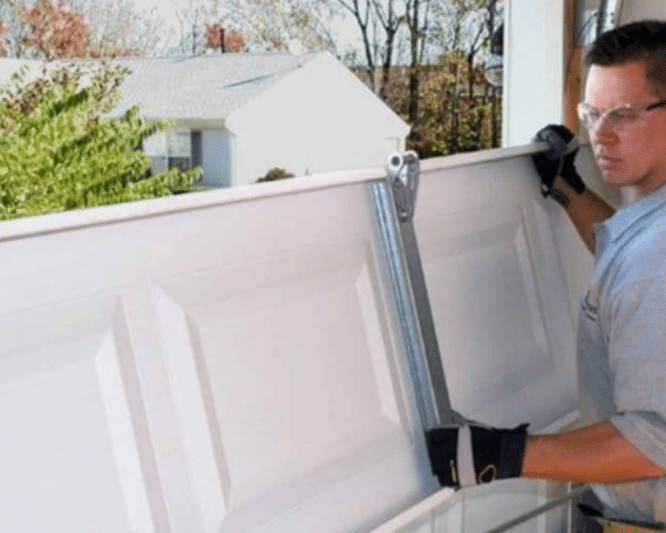
Schedule a Safety Check When Your Garage Door Stops Halfway
When your garage door stops halfway, the system is responding to resistance, imbalance, or a safety input that interrupts the cycle to prevent further damage. Treat repeated stoppages as a warning sign, since delays can increase the scope of repairs and weaken your home’s security.
Brothers Garage Door Service delivers expert garage door repair and garage door opener repair in Livonia, MI, with clear diagnostics and dependable results. If the garage door stops halfway again or shows signs of strain during operation, contact us or give us a call today to book a service visit and get the door moving safely again.