
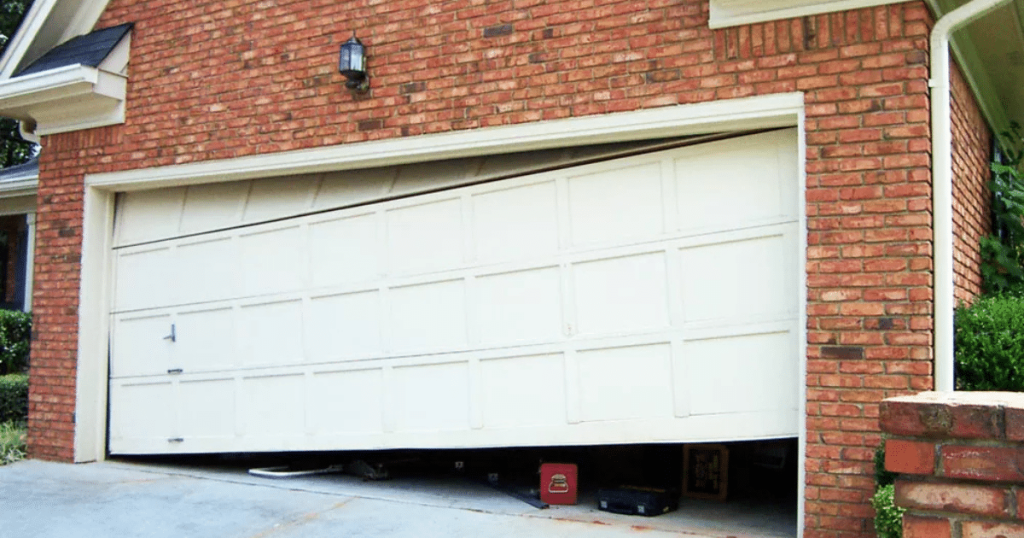
Knowing when to handle something yourself and when to call a professional is one of the most important decisions a homeowner can make. With garage door balance issues, timing matters more than most people realize. You should call a professional when your door fails a balance test, when a spring has snapped or shows serious wear, when cables are frayed or off the drum, when the opener is straining on every cycle, or when the door is hanging unevenly and cannot be safely operated. Waiting too long in any of these situations turns a manageable balance issue into a full garage door repair that costs significantly more than an early service call.
Most homeowners in Livonia, MI, are surprised to learn how quickly a balance issue can escalate from a minor inconvenience to a full safety hazard. The longer a balance problem goes unaddressed, the more components get pulled into the damage, and the bigger the garage door repair scope becomes.
Understanding the Limits of DIY Garage Door Balance Repairs
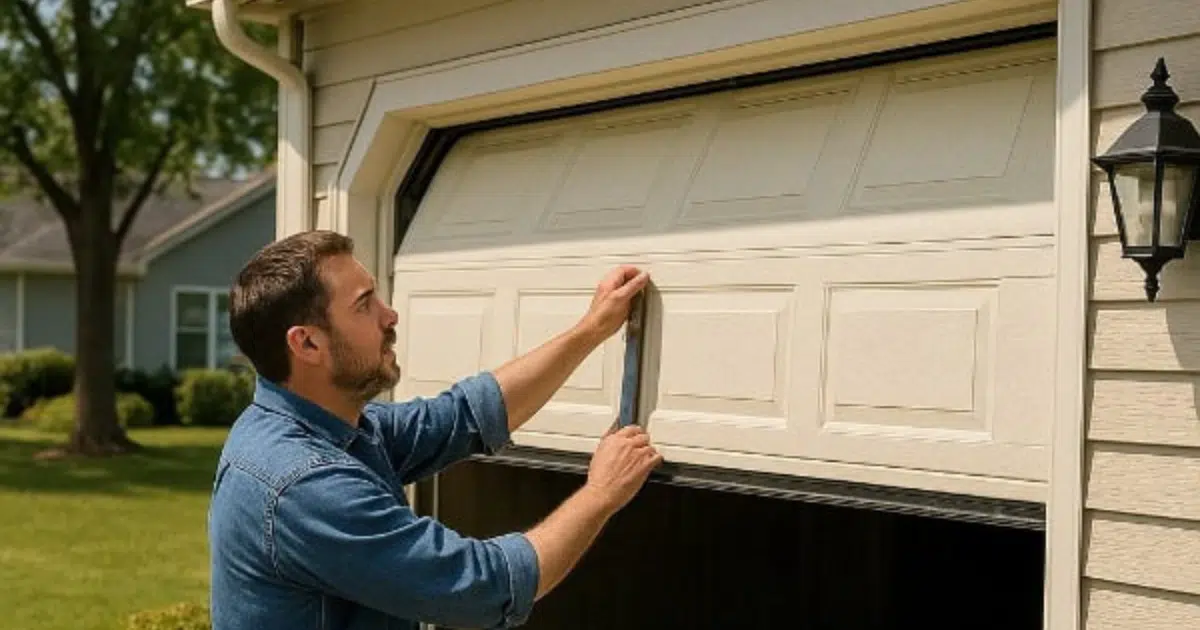
There is real value in knowing how to do a garage door balance test and spot early warning signs on your own. Those are safe, practical skills every homeowner should have. But understanding where the safe zone ends is just as important. Garage door springs store an enormous amount of mechanical energy, and releasing that energy incorrectly can cause serious injury or significant property damage.
What Homeowners Can Safely Do Without a Professional
- Run the disconnect and lift balance test to check for spring tension issues
- Perform a visual inspection of springs, cables, rollers, and tracks for obvious wear
- Apply silicone-based lubricant to moving parts as part of routine preventive maintenance
- Tighten loose bolts and brackets that are accessible without removing any components
- Monitor the door for changes in sound, speed, or operation between professional visits
Before calling a professional, it helps to know exactly what has already been covered. Start with Does a Garage Door Need to Be Balanced? for the foundational knowledge that makes this guide easier to apply.
When a Failed Balance Test Requires Professional Service
A garage door balance test is the most direct way to confirm whether your door has a tension problem. If your door fails the test, that result is not something to ignore or retest repeatedly, hoping for a different outcome. A door that drops quickly, shoots upward, or drifts unevenly after being released at mid-height has a spring tension problem that only a trained technician should address.
Balance Test Results That Require a Professional
- The door drops more than a few inches when released at waist height
- The door rises on its own after being released, indicating overstressed springs
- One side drops faster than the other, pointing to uneven spring tension
- The door feels significantly heavier on one side during the manual lift
- The test result has changed noticeably since the last time you checked
If you have been tracking warning signs and want to understand what those symptoms mean before calling, review Warning Signs Your Garage Door Is Losing Balance for a full breakdown of what each signal indicates.
Spring Problems That Should Never Be a DIY Repair
Garage door springs are the most dangerous component in the entire system. Torsion springs sit above the door under thousands of pounds of force, and extension springs run along the sides under significant stretch tension. Either type can cause serious injury if they release suddenly or is adjusted incorrectly. Broken garage door springs are particularly hazardous because the stored energy is released instantly and unpredictably the moment a spring snaps. This is the area where professional service is not just recommended, it is essential for the safety of everyone in your home.
Spring Situations That Always Need a Professional
- A spring that has visibly snapped, separated, or is hanging loose from its mount
- Uneven coil spacing on a torsion spring indicates stress fractures developing
- Visible rust or corrosion that has weakened the spring metal significantly
- A spring that has been repaired with tape, wire, or any temporary material by a previous owner
- Any situation where you are unsure whether the spring tension is correct after a balance test
Proper handling of garage door springs follows strict garage door safety guidelines that require specialized tools and training most homeowners do not have access to.
Cable Issues That Require Immediate Professional Attention
Garage door cables work alongside the springs to guide the door smoothly along the tracks. When garage door balance is off, cables are often the first component to show serious wear because they bear the brunt of uneven tension on every cycle. Cable failures can happen suddenly and cause the door to fall, which is why any visible cable damage should be treated as an urgent situation rather than something to monitor.
Cable Warning Signs That Need Same-Day Service
- Visible fraying or broken strands anywhere along the garage door cable length
- A cable that has jumped off the drum and is hanging loose on one side
- Cables that appear twisted, kinked, or tangled near the bottom bracket
- A door that is hanging unevenly because one cable has more slack than the other
- Any cable that shows signs of rust or corrosion that has compromised its strength
Understanding the standards that govern safe garage door operation helps homeowners appreciate why cable repairs require professional expertise. The automatic garage door standards that keep homes safe outline why these components must be handled by qualified technicians.
Opener Damage Caused by Prolonged Imbalance
When a garage door out of balance situation goes unaddressed for an extended period, the opener absorbs the extra strain on every single cycle. Over time, that strain causes internal damage to the motor, drive system, and logic board that cannot always be reversed. Knowing when the opener has been damaged beyond what maintenance can address is important for deciding whether repair or full replacement is the right path forward.
Signs the Opener Has Been Damaged by Imbalance
- The motor runs but the door does not move, suggesting drive system failure
- The opener trips its thermal overload protection and shuts down mid-cycle
- Burning smell coming from the opener unit during or after operation
- The door moves erratically, stopping and starting without a clear reason
- The opener is more than ten years old and has been operating an unbalanced door for an extended period
Track and Panel Damage That Goes Beyond Basic Repair
Garage door alignment problems that develop from long-term imbalance eventually affect the tracks and panels themselves. Once the structural components of the door system are involved, the repair scope expands significantly. A professional assessment is needed to determine whether individual components can be repaired or whether a larger portion of the system needs to be replaced to restore safe, reliable operation.
Structural Issues That Require Professional Assessment
- Tracks that are visibly bent, bowed, or pulled away from the wall mounting
- Garage door panels that are cracked, warped, or separated at the joints from repeated stress
- A door frame that has shifted or developed gaps due to long-term misalignment
- Rollers that have worn through their housing and are making direct metal-on-track contact
- Any combination of track, panel, and hardware damage that affects the full door system
When an Older Garage Door Needs a Full Professional Evaluation
Age is a significant factor in how garage door balance issues should be addressed. An older door that is showing balance problems may have multiple components approaching the end of their service life at the same time. In these cases, a professional evaluation gives you a clear picture of what is worth repairing and what makes more sense to replace as part of a broader system upgrade.
Situations Where a Full Evaluation Makes More Sense Than a Single Repair
- The door is more than 15 years old and has never had a professional tune-up
- Multiple components, including springs, cables, and rollers are all showing wear simultaneously
- The opener is outdated and lacks modern safety features, alongside the balance issues
- Previous repairs were done incorrectly or with non-standard parts that have affected performance
- The overall cost of individual repairs is approaching the cost of a new door system
Want to understand how consistent balance maintenance affects your door’s long-term durability? How a Balanced Garage Door Extends Its Lifespan breaks down exactly how keeping your door in balance protects every component and helps you get the most out of your investment.
How to Prepare for a Professional Garage Door Balance Service Visit
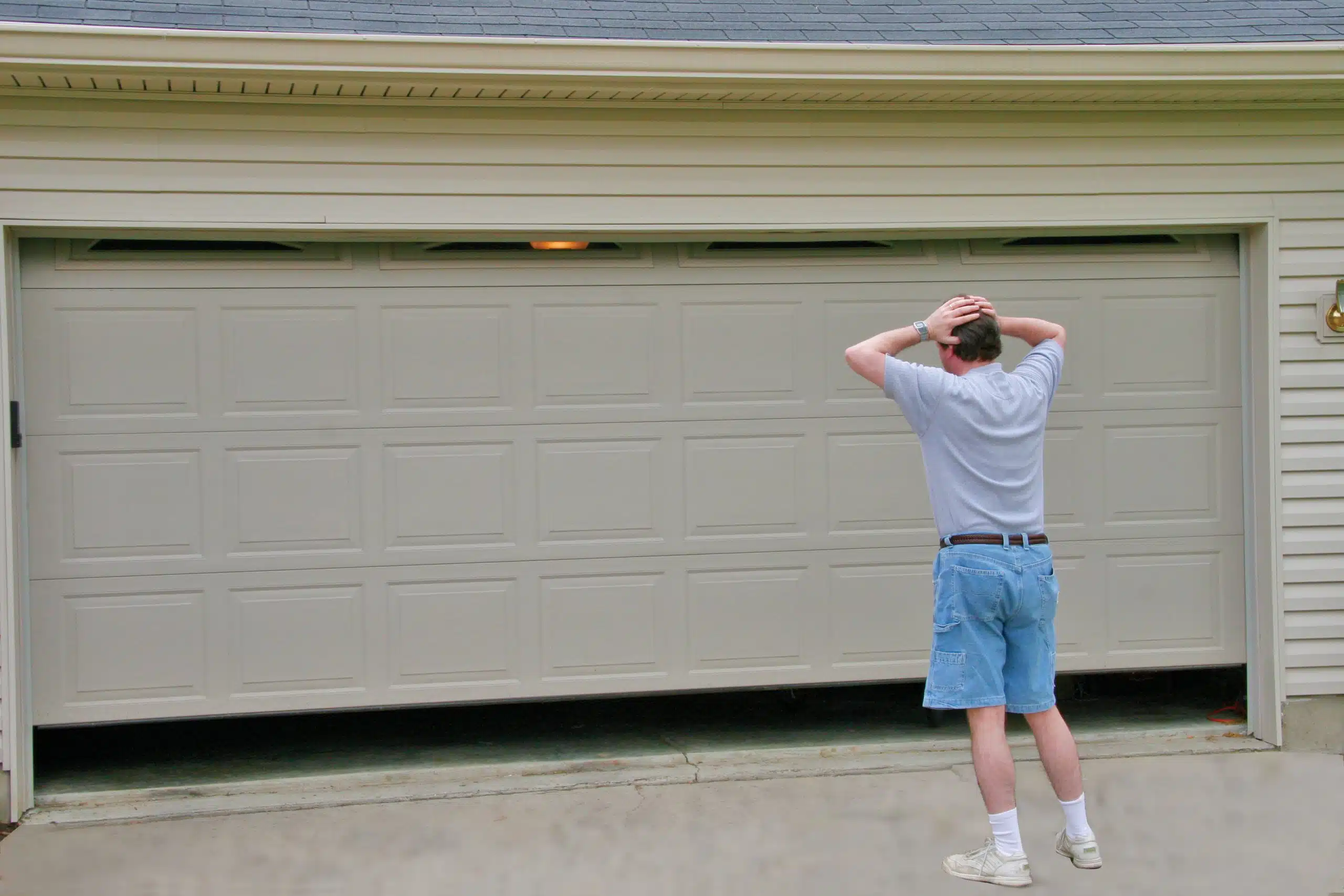
Knowing what to expect when a technician arrives helps the visit go smoothly and ensures you get the most value from the service call. A qualified professional will inspect the full system, not just the component you called about, because balance issues rarely exist in isolation. Being prepared with information about what you have noticed makes the diagnosis faster and more accurate.
What to Have Ready Before the Technician Arrives
- Note when you first noticed the balance issue and how it has changed over time
- Write down any unusual sounds, visual changes, or operational differences you have observed
- Know the approximate age of the door, opener, and when springs were last replaced if possible
- Clear the area around the garage door so the technician has full access to all components
- Have a list of any previous repairs or service visits so the technician has full context
Protect Your Home by Acting Before the Problem Gets Worse
Garage door balance issues do not improve on their own. Every cycle a door completes while out of balance adds wear to components that are already under stress. The homeowners who avoid the most expensive repairs are the ones who act quickly when they notice something is wrong, rather than waiting to see if it gets better on its own.
For Livonia, MI homeowners, seasonal conditions add an extra layer of urgency. Cold winters and humid summers accelerate the wear that imbalance causes, which means a problem that might be minor in a milder climate can become serious much faster here. Brothers Garage Door Service provides honest, professional assessments for homeowners throughout the Livonia area, helping you understand exactly what your door needs and what it will take to get it working safely again. Contact us or give us a call to schedule your inspection and get the right solution in place before the problem gets worse.