
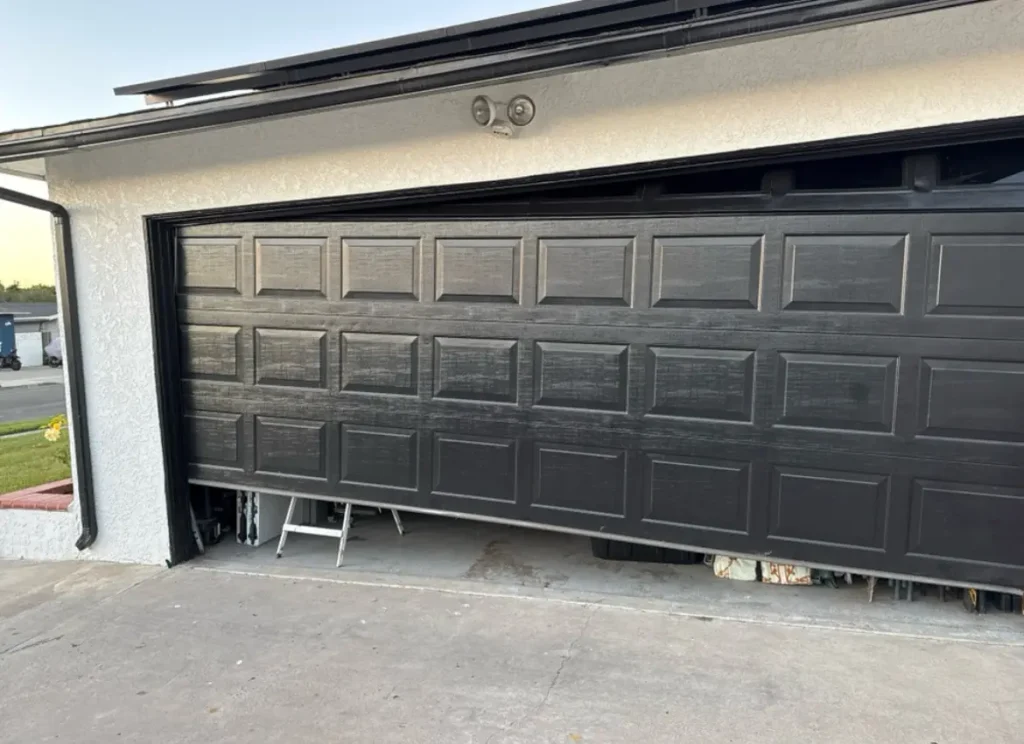
A garage door that is losing balance does not always fail all at once. Most of the time, it gives you clear warning signs before things get serious. Those signs include unusual sounds during operation, a door that looks crooked or uneven, an opener that seems to be struggling, and springs or cables that show visible wear. The problem is that most homeowners in Livonia, MI, do not know what to look for, so those early signals get ignored until the door stops working completely or a component fails without warning.
Catching a garage door out of balance situation early is the difference between a simple adjustment and a costly garage door repair. The sooner you recognize what your door is telling you, the better your chances of addressing it before it turns into a bigger problem.
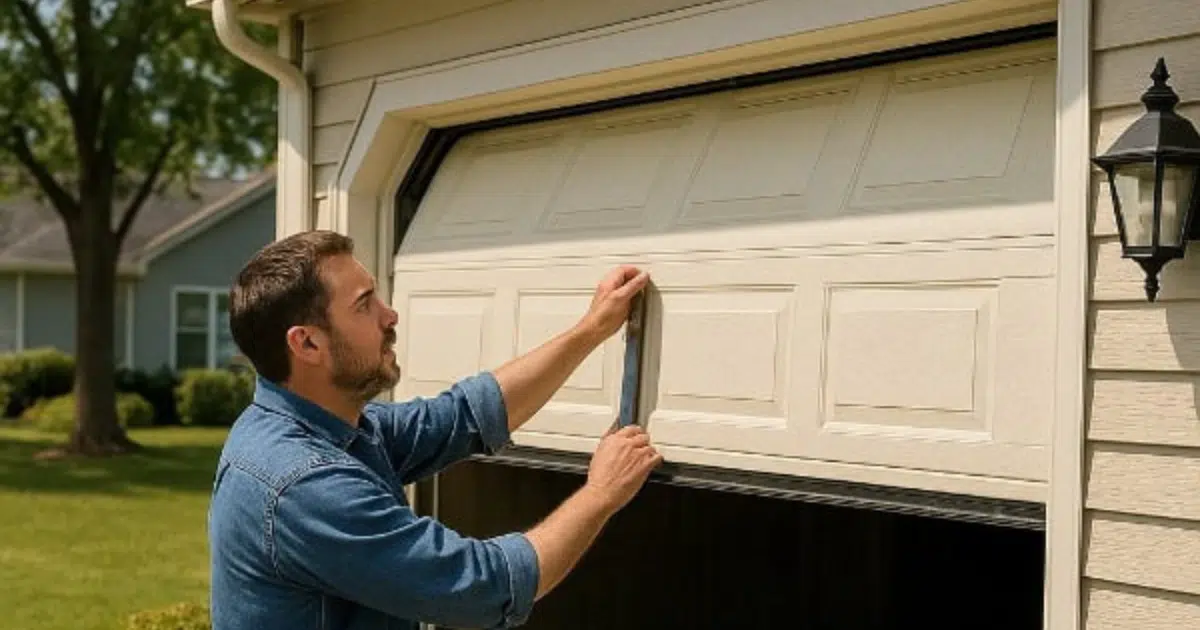
Why Recognizing Garage Door Balance Problems Early Matters
Garage door balance problems rarely appear overnight. They develop gradually as springs lose tension, hardware wears down, and components start compensating for the uneven load. By the time the issue becomes obvious, the damage has usually been building for weeks or months. Understanding what a balanced garage door looks and sounds like makes it much easier to notice when something starts to shift.
Why Early Detection Saves You Money
- Small tension adjustments cost significantly less than full spring replacements
- Catching cable wear early prevents sudden snapping that can damage panels or injure someone
- Addressing opener strain early extends motor life before burnout occurs
- Early detection of garage door alignment problems prevents track and panel damage
- Routine adjustments are far less disruptive than emergency repair calls
If you are not yet familiar with what proper balance means and why it matters, start with Does a Garage Door Need to Be Balanced? for a full breakdown before working through these warning signs.
The Door Does Not Stay in Place During a Balance Test
One of the clearest signs of a garage door out of balance is a door that will not stay put when you lift it halfway and let go. A properly balanced garage door should hold its position at mid-height without drifting up or dropping down. If yours moves significantly in either direction, that is a direct signal that spring tension is off and needs professional attention.
What the Balance Test Results Tell You
- A door that drops quickly to the floor indicates the springs have lost significant tension or points to broken garage door springs that can no longer support the door’s weight
- A door that shoots upward means the springs are overwound and carrying too much tension
- A door that drifts slowly downward suggests minor tension loss that is still worth addressing
- Uneven movement, where one side drops faster than the other, points to a single spring issue
- Any result other than staying in place within a few inches means a professional should inspect it
Unusual Sounds During Operation
Sound is one of the earliest and most reliable indicators of garage door balance problems. A balanced garage door operates with minimal noise. When the balance starts to shift, the extra strain on components creates sounds that were not there before. Homeowners in Livonia, MI should pay close attention to any new or worsening noises, especially during the first and last cycles of the day when temperature changes are most significant.
Sounds That Signal a Balance Problem
- Grinding or scraping noises that suggest rollers or tracks are under uneven pressure
- Loud popping or banging sounds when the door starts moving, often from spring tension issues
- Squeaking that persists even after applying a silicone-based lubricant to all moving parts
- A straining or humming sound from the opener motor working harder than it should
- Rattling from loose hardware that has been shaken loose by repeated uneven operation
The Door Looks Uneven or Crooked When Closed
A visual inspection is one of the simplest ways to check for garage door alignment problems. When a door is properly balanced and aligned, it sits evenly in the frame with consistent gaps on all sides. If your door looks crooked, sits lower on one side, or has uneven gaps along the top or sides, that is a visible sign that balance and alignment are both off.
Visual Signs of an Unbalanced Garage Door
- One side of the door sits visibly lower than the other when fully closed
- Uneven gaps appear along the top edge of the door where it meets the frame
- The bottom seal makes inconsistent contact with the ground across its full width
- Garage door panels appear bowed or warped from repeated stress during uneven operation
- The door looks tilted or angled when viewed straight on from the outside
Staying informed about common issues through trusted resources, like troubleshooting common garage door problems, can help you identify what you are seeing and understand how serious the issue may be before calling a professional.
If you want to understand how staying on top of these problems protects more than just your door’s performance, How a Balanced Garage Door Extends Its Lifespan is worth reading to see the long-term impact that balance has on every component in your system.
The Opener Is Struggling or Slowing Down
Your garage door opener is one of the first components to show the effects of a garage door out of balance situation. Because the opener is designed to move a balanced load, any increase in door weight or resistance forces the motor to compensate. That compensation is noticeable if you know what to look for, and catching it early can prevent a full opener replacement down the line.
Opener Behaviors That Point to a Balance Issue
- The door moves more slowly than usual during opening or closing
- The opener motor runs noticeably longer on each cycle than it used to
- The door reverses partway through closing without hitting any obstruction
- The opener makes a straining or grinding sound it did not make before
- The door stops midway and requires a second activation to complete the cycle
Visible Wear or Damage on Springs and Cables
Springs and cables are the components most directly affected by garage door balance problems. Because they carry the physical load of the door on every cycle, they show wear faster than any other part when the balance is off. A regular visual check of these components takes less than two minutes and can reveal problems that are about to become dangerous if left unaddressed.
What to Check on Springs and Cables
- Look for gaps or separation between coils on torsion springs, which indicate tension loss
- Check for visible rust or corrosion on spring coils that weaken the metal over time
- Inspect the garage door cables for fraying, kinking, or any section that looks thinner than the rest
- Check that cables are sitting properly in the drum grooves on both sides of the door
- Look for any cable that appears slack or loose when the door is in the closed position
For a deeper understanding of what spring wear looks like and what it means for your system, this resource on what happens when a spring breaks on a garage door explains the risks and what to expect when spring failure occurs.
The Door Feels Heavy When Operated Manually
If you disconnect your opener and try to lift the door manually, it should feel light and easy to move. A balanced garage door lets you lift it with one hand without much effort. If the door feels unusually heavy, difficult to lift evenly, or pulls to one side as you raise it, that is a clear sign the springs are not doing their job properly and the balance needs to be checked.
What Manual Operation Reveals About Balance
- A door that feels heavy overall suggests both springs have lost significant tension
- A door that pulls to one side indicates uneven spring tension between left and right
- A door that is easy to open but hard to hold at mid-height has inconsistent spring support
- Resistance that gets worse as the door rises points to a spring that is close to failure
- Any manual operation that feels unsafe or unpredictable should be referred to a professional immediately
When Warning Signs Mean It Is Time to Call a Professional
Recognizing warning signs is the first step. Knowing when those signs require professional help is just as important. Some balance issues can be monitored for a short time, but others need immediate attention to prevent a safety risk or a much more expensive repair. If your door is showing multiple warning signs at once or if any single sign has appeared suddenly, do not wait.
Warning Signs That Need Immediate Professional Attention
- A spring that has visibly snapped or separated should never be operated
- Cables that are frayed, broken, or off the drum require same-day professional repair
- A door that has dropped suddenly or is hanging unevenly is a serious safety hazard
- An opener that has stopped working entirely after showing strain symptoms needs assessment
- Any sign of structural damage to tracks or panels combined with balance issues should not be ignored
Read When to Call a Pro for Garage Door Balance Issues at the end of this section for a clear breakdown of when professional service is the right decision.

Stay Ahead of Garage Door Balance Problems With Routine Checks
The warning signs covered in this guide are your garage door’s way of telling you something is wrong before it becomes a crisis. Paying attention to how your door sounds, looks, and feels during normal operation is the simplest and most effective form of preventive maintenance available to any homeowner.
For Livonia, MI homeowners dealing with harsh seasonal conditions, staying consistent with routine checks and acting quickly on warning signs is especially important. Brothers Garage Door Service specializes in diagnosing and resolving garage door balance issues for homeowners throughout the area. Contact us or give us a call to schedule an inspection and get ahead of any balance problems before they turn into costly repairs.