
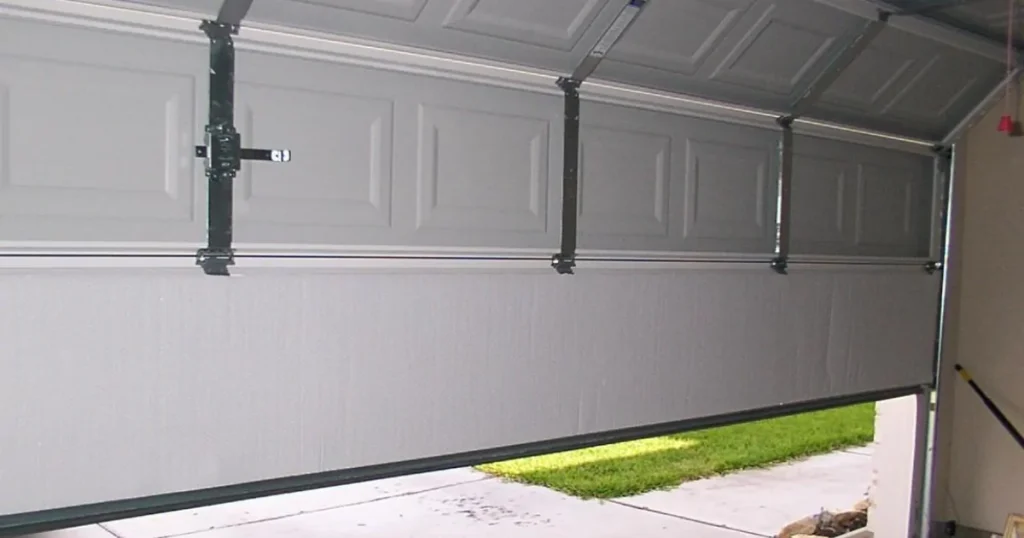
Your garage door is one of the hardest-working parts of your home. It opens and closes hundreds of times a year, often without a second thought. So does a garage door need to be balanced? Yes, absolutely, and it is not optional. A garage door that is not properly balanced puts unnecessary strain on every component connected to it, from the springs and cables to the opener motor, and that strain builds up into costly repairs faster than most homeowners expect.
A properly balanced garage door is not just about smooth operation. It protects your opener, extends the life of your springs and hardware, and keeps your household safe from unexpected mechanical failures. Staying ahead of balance issues is one of the most effective ways to avoid garage door repair costs that could have been prevented with routine maintenance. If your door is out of balance, every cycle puts extra strain on parts that are not designed to carry that load.

What It Means for a Garage Door to Be Balanced
A balanced garage door means the spring tension is properly calibrated so the door carries its own weight evenly on both sides. The springs do the heavy lifting, which means your opener only needs a small amount of force to move the door up or down. Garage door alignment problems often develop slowly, making them easy to miss until the imbalance becomes a bigger mechanical issue. Broken garage door springs are one of the most common reasons a door loses its balance entirely, since even one failed spring shifts the load and throws off the system.
How Garage Door Spring Tension Works
- Torsion springs sit above the door and wind up to store energy as the door closes
- Extension springs run along the sides and stretch to counterbalance the door’s weight
- When spring tension is correct, the door stays in place at any height without drifting
- A garage door out of balance usually means one spring has more or less tension than it should
- Both spring types require professional adjustment when the tension is off
Before diving deeper into why balance matters, take a moment to review Warning Signs Your Garage Door Is Losing Balance so you know exactly what to look for before a small issue becomes a costly repair.
Why Garage Door Balance Matters More Than Most Homeowners Realize
Skipping balance checks might seem harmless, but the effects build up over time. An unbalanced door puts uneven stress on every component it connects to, including the opener motor, the cables, the rollers, and the tracks. All of those parts wear out faster when they are compensating for a garage door out-of-balance situation that has gone unaddressed.
What Happens When Balance Is Ignored
- The opener motor works harder than it was designed to, shortening its lifespan
- Garage door cables can fray or snap under uneven tension, creating a sudden safety risk
- Rollers and tracks wear unevenly, leading to grinding, jerking, or off-track issues
- The door may not seal properly at the bottom, letting in drafts, pests, and moisture
- In serious cases, a heavily unbalanced door can fall without warning
How to Do a Garage Door Balance Test at Home
A garage door balance test is something most homeowners can do safely without any tools. This simple test takes less than two minutes and gives you a clear picture of where your door stands. If the result shows a problem, that is your cue to call a professional rather than attempt a repair on your own.
The Disconnect and Lift Test Step by Step
- Pull the red emergency release cord to disconnect the opener from the door
- Manually lift the door to about waist height, roughly three to four feet off the ground
- Let go carefully and step back, keeping your hands clear of the door
- A balanced garage door will stay in place or move slightly, settling within a few inches
- A door that drops quickly or shoots upward has a spring tension problem that needs professional attention
Common Causes of Garage Door Alignment Problems
Understanding what causes garage door alignment problems helps you catch issues early. Most causes come down to normal wear over time, but some develop faster depending on how often the door is used and how well it has been maintained. Proper care and routine inspections go a long way toward keeping things even.
Reasons a Garage Door Goes Out of Balance
- Springs naturally lose tension after thousands of open and close cycles
- One spring breaking while the other remains intact creates immediate imbalance
- Temperature changes in Michigan winters cause metal components to contract and shift
- Improper installation from the start can cause gradual drift over months or years
- Physical damage to garage door panels, tracks, or hardware changes how the weight is distributed
Following recognized garage door safety standards can significantly reduce the risk of mechanical failures and keep your door operating safely for years.
How Often Should You Check Garage Door Balance
Most professionals recommend checking the garage door balance at least twice a year. A good schedule for Livonia, MI homeowners is once in the fall before cold weather sets in and once in the spring when temperatures start to rise. Seasonal temperature swings affect spring tension more than most homeowners realize.
Signs It Is Time to Run a Balance Test Sooner
- The door makes new grinding, popping, or scraping sounds during operation
- One side of the door appears higher or lower than the other when fully closed
- The garage door opener seems to struggle or hesitate when lifting the door
- The door reverses on its own without hitting an obstacle
- You recently had a spring, cable, or panel repaired or replaced
Knowing how to properly inspect and maintain your garage door on a regular schedule is one of the simplest ways to extend the life of every component and avoid unexpected repair costs.
How the Livonia, MI, Climate Affects Garage Door Balance
Local climate plays a real role in how quickly the garage door balance shifts. Livonia homeowners deal with cold winters, humid summers, and significant temperature swings throughout the year. Metal contracts in the cold and expands in the heat, which gradually affects spring tension, cable length, and garage door alignment problems that worsen over time without attention.
Local Factors That Impact Balance
- Below-freezing temperatures cause torsion springs to become brittle and lose tension faster
- High humidity in the summer months accelerates rust on springs, cables, and hardware
- Repeated freeze-thaw cycles shift door frames and tracks over time
- Attached garages with poor insulation experience more extreme temperature changes
- Heavy snow accumulation on the roof above the garage can affect door frame alignment
Tips to Keep a Balanced Garage Door Longer
You may not be able to stop your springs from aging, but you can slow the process with a few simple preventive habits. These tips do not require any special skills or tools, just a few minutes of attention every few months.
Preventive Maintenance Habits That Help
- Apply a silicone-based lubricant to springs, rollers, and hinges every three to six months
- Keep the tracks clean and free of dirt, debris, and buildup that causes uneven movement
- Inspect the bottom seal regularly and replace it if it is cracked or worn
- Tighten any loose bolts or brackets you notice during routine visual checks
- Schedule a professional tune-up at least once a year to catch tension issues early
For a full breakdown of what maintenance habits make the biggest difference over time, read How a Balanced Garage Door Extends Its Lifespan at the end of this section.
When Learning How to Balance a Garage Door Yourself Goes Too Far
There is a clear line between what a homeowner can safely handle and what requires a trained technician. Running a garage door balance test is safe to do at home. Adjusting spring tension is not. Garage door springs are under extreme tension and can cause serious injury if handled incorrectly by someone without proper training and tools.
Repairs That Always Require a Professional
- Adjusting or replacing torsion springs above the door
- Replacing extension springs on either side of the door
- Realigning cable drums or replacing frayed cables
- Correcting track alignment when the door is visibly crooked
- Any repair involving the spring anchor bracket or center bearing plate
If your balance test shows a problem or your routine inspection reveals a problem, read When to Call a Pro for Garage Door Balance Issues.
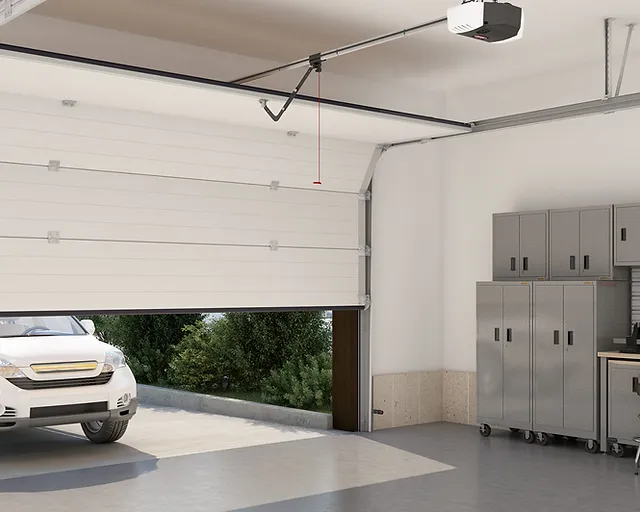
Garage door balance is not a luxury. It is a basic requirement for safe, reliable operation that protects your opener, your hardware, and most importantly, the people in your home. Routine checks, seasonal maintenance, and knowing when to call for help are the three habits that make the biggest difference over the long run.
If your garage door failed the balance test or you have noticed signs of uneven movement, unusual sounds, or extra strain on the opener, do not wait for the problem to get worse. Brothers Garage Door Service has been helping Livonia, MI, homeowners diagnose and repair balance issues with honest assessments and lasting solutions. Contact us or give us a call to schedule your inspection and get your door back to working the way it should.