
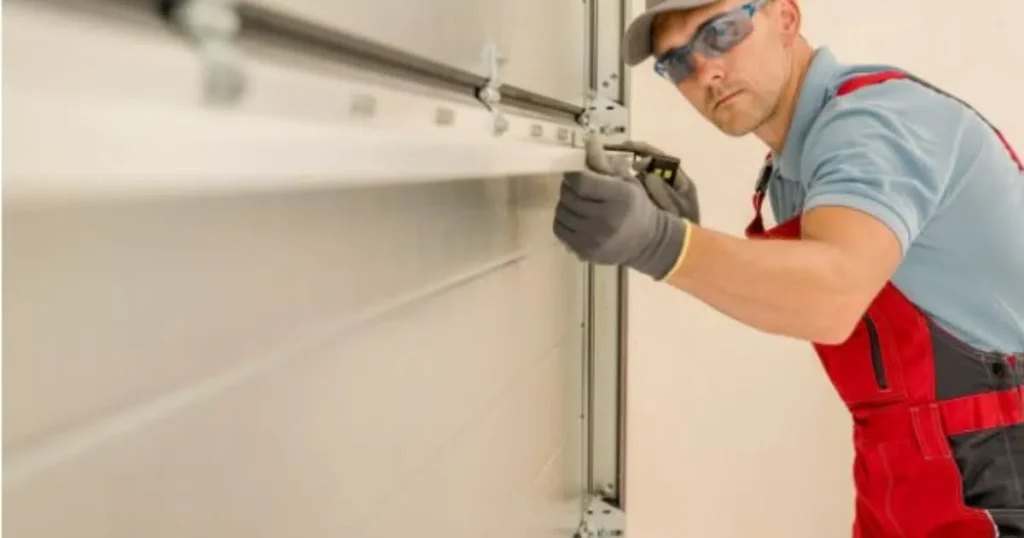
Most homeowners do not think about their garage door until it stops working. But the truth is, the daily wear your door goes through adds up faster than you might expect. A balanced garage door directly extends its lifespan by reducing the strain on every moving part in the system. When spring tension is properly calibrated, the opener works less, the cables last longer, the rollers wear evenly, and the tracks stay properly aligned. Every component gets to do its job the way it was designed to, and that efficiency adds years to the life of the entire door system.
In Livonia, MI, where seasonal temperature swings put extra stress on garage door components, keeping your door balanced is one of the smartest long-term investments you can make. An unbalanced door does not just wear out faster; it creates the exact conditions that lead to avoidable garage door repair calls that could have been prevented with consistent maintenance.
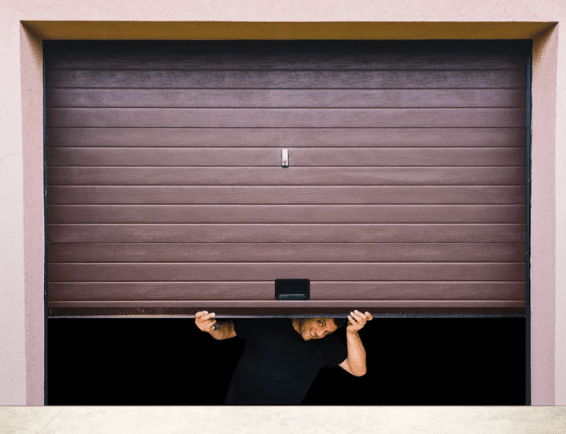
How Garage Door Balance Directly Impacts Component Lifespan
Every part of your garage door system is connected. When your garage door balance is off, the strain does not stay in one place. It spreads across the opener, springs, cables, rollers, and tracks, causing each one to wear out faster than it should. Understanding this connection is the first step toward protecting your entire system for the long haul.
Components That Suffer Most From an Unbalanced Door
- The opener motor runs harder and longer on every cycle, reducing its overall lifespan
- Springs take on uneven loads that cause premature fatigue and unexpected breakage
- Cables experience uneven tension that leads to fraying long before their rated cycle count
- Rollers wear unevenly on one side, causing wobbling and off-track problems over time
- Tracks develop stress points from repeated uneven contact that can bend or crack
If you have not already confirmed your door is properly balanced, start with Does a Garage Door Need to Be Balanced? to understand the foundation before going further.
The Connection Between a Balanced Garage Door and Opener Longevity
Your garage door opener is designed to move a balanced garage door with minimal effort. When the door is properly balanced, the opener only needs to provide a small amount of force to complete each cycle. That efficiency is exactly what keeps the motor running smoothly for years. When the balance is off, the motor compensates by working harder on every single open and close, and that extra effort shortens its lifespan significantly.
How an Unbalanced Door Shortens Opener Life
- Motors rated for 10 to 15 years can fail in five to seven years when consistently overworked
- Drive systems, including chains, belts, and screws, wear faster under added resistance
- Circuit boards and logic systems can overheat from repeated motor strain
- Safety sensors may misread door resistance as an obstruction, causing erratic behavior
- Warranty coverage can be voided if the opener failure is linked to a mechanical imbalance
How Spring Health Depends on Proper Garage Door Balance
Springs are the workhorses of your garage door system. They store and release energy on every cycle, and they are rated for a specific number of cycles based on normal operating conditions. A garage door out of balance changes those conditions entirely. When one spring carries more load than it should, it burns through its rated cycle count much faster, leaving you with an unexpected and often costly spring replacement. In many cases, this uneven wear is exactly what leads to broken garage door springs; one side fails while the other still has thousands of cycles left.
What Proper Balance Does for Your Springs
- Distributes tension evenly so both springs wear at the same rate
- Prevents one spring from snapping prematurely while the other remains intact
- Maintains consistent coil tension that keeps cycles smooth and predictable
- Reduces the risk of sudden spring failure that can damage panels or injure someone nearby
- Extends spring lifespan closer to the full rated cycle count of 10,000 or more
Garage Door Alignment Problems and Long-Term Structural Damage
Garage door alignment problems are often a direct result of ongoing imbalance. When a door operates out of alignment, the panels, frame, and tracks all absorb stress they were not designed to handle. Over time, that stress causes structural damage that goes beyond simple part replacement and into full garage door panel or track system repairs.
How Misalignment Damages Your Door Over Time
- Panels crack or warp from repeated uneven pressure during operation
- Tracks bend at stress points where the door makes uneven contact on each cycle
- Bottom seals wear unevenly and lose their ability to keep out drafts and moisture
- Hinges and brackets loosen faster on the side carrying more weight
- Frame gaps develop over time that allow water intrusion and energy loss
Following proper garage door care and maintenance guidelines from industry professionals is one of the most reliable ways to prevent alignment problems before they cause lasting structural damage.
How a Balanced Garage Door Protects Cables and Rollers
Garage door cables and rollers are two of the most overlooked components in a garage door system, but they play a critical role in smooth, safe operation. A balanced garage door keeps both working within their designed tolerances. When the balance is off, cables twist and fray under uneven load while rollers wear down on one side, leading to a noisy, rough-operating door that deteriorates faster with every use.
Signs of Cable and Roller Wear From Imbalance
- Visible fraying or kinking along the cable length
- Rollers that wobble, grind, or leave marks on the inside of the track
- Uneven gaps between the door and the frame when fully closed
- Squeaking or scraping sounds that persist even after lubrication
- A door that tilts slightly to one side when opening or closing
For a broader understanding of the specific symptoms that signal your door is losing balance, review Warning Signs Your Garage Door Is Losing Balance so you can catch cable and roller wear before it becomes a safety issue.
Seasonal Maintenance That Keeps Your Garage Door Balanced in Livonia, MI
Living in Livonia, MI means your garage door goes through real seasonal stress every year. Cold winters tighten springs and contract metal hardware, while humid summers cause expansion and accelerate rust. A consistent seasonal maintenance routine is one of the most effective ways to keep your garage door balance stable and extend the life of every component in the system.
Seasonal Maintenance Steps That Protect Balance
- Lubricate all moving parts including springs, rollers, hinges, and tracks before winter
- Inspect and tighten all hardware connections after the first hard freeze of the season
- Check the bottom seal condition each spring and replace if cracked or compressed
- Run a garage door balance test in both fall and spring to catch seasonal drift early
- Schedule a professional tune-up annually to address tension adjustments before problems develop
Livonia homeowners who stay consistent with seasonal maintenance tend to get significantly more years out of their garage door systems, and following a structured approach to all aspects of garage door care ensures nothing gets overlooked during your routine checkups throughout the year.
How Regular Balance Checks Add Years to Your Garage Door
A garage door balance test takes less than two minutes, but the long-term value it provides is significant. Homeowners who check their door balance twice a year consistently catch tension issues before they cascade into larger mechanical failures. That simple habit is one of the most cost-effective things you can do to protect your investment and avoid the disruption of a door that fails at the worst possible time.
What Consistent Balance Checks Prevent
- Spring replacements that could have been avoided with early tension adjustments
- Opener motor burnout from months of compensating for an unbalanced load
- Cable replacements caused by uneven tension that went unnoticed too long
- Full track replacements from repeated misalignment stress over time
- Emergency repair calls that cost significantly more than routine maintenance
What to Do When Your Garage Door Needs More Than Maintenance
Preventive habits go a long way, but there are times when a garage door balance issue has progressed beyond what routine maintenance can address. Knowing the difference between a door that needs a tune-up and one that needs professional repair is important for both your safety and your budget. If your balance checks reveal ongoing problems or your door continues to show signs of misalignment after maintenance, it is time to get a professional involved.
Situations That Require Professional Attention
- The door fails the balance test repeatedly even after basic maintenance
- Springs show visible signs of wear, rust, or uneven coil spacing
- Cables appear frayed, kinked, or have jumped off the drum
- The door makes loud popping or grinding noises that lubrication does not resolve
- One side of the door consistently sits lower than the other when fully closed
Read When to Call a Pro for Garage Door Balance Issues at the end of this section to understand exactly when professional help is the right call.

Protect Your Garage Door Investment Before Problems Start
A balanced garage door is not something to take for granted. Every cycle your door completes either adds to its lifespan or takes away from it, depending on how well it is maintained. The homeowners who get the most out of their garage door systems are the ones who stay consistent with checks, act early when something seems off, and call a professional before small issues turn into major repairs.
If you are in Livonia, MI, and want to make sure your garage door is working at its best, Brothers Garage Door Service is ready to help. Our team understands the wear that Michigan seasons put on garage door systems and can provide an honest assessment of your door’s balance, components, and overall condition. Contact us or give us a call to schedule your inspection and protect your garage door for years to come.